


Beyond Baguettes: France’s New Culinary Identity
Discover how immigrant home cooks are quietly transforming France's culinary scene. Global flavors redefine French gastronomy, sparking a profound cultural and economic shift.

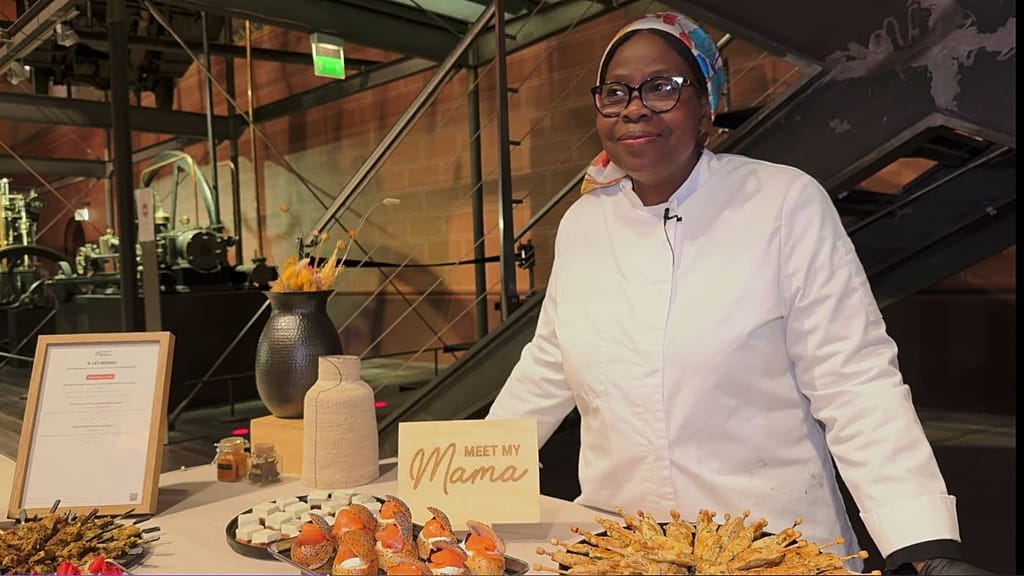
POLICY WIRE — Paris, France — Forget the Michelin-starred theatrics or the haughty sommelier’s gaze. The true revolution brewing in French kitchens isn’t happening in hushed fine-dining temples. It’s playing out in countless smaller, unassuming catering ventures across the country, fueled by an entirely different kind of gastronomic ambition: the home cook. This isn’t just about good food, though Lord knows there’s plenty of it. It’s a quiet cultural shift, one that hints at deeper societal renegotiations about who gets to define French cuisine—and for whom.
It began subtly. Maybe five, seven years ago. Women, mostly—often first- or second-generation immigrants—started leveraging their formidable kitchen prowess not just for family gatherings but for paying clients. They’d cook from their homes, deliver on scooters, or set up pop-ups in shared commercial spaces. Now, it’s a measurable force. Data from the French National Institute of Statistics and Economic Studies (INSEE) indicates that small, home-based catering operations, particularly those specializing in global cuisines, swelled by an astonishing 12% in metropolitan areas last year alone. You wouldn’t think the land of coq au vin would be so amenable to such an invasion, would you?
The movement’s appeal? Authenticity, pure and simple. Consumers, weary of standardized bistro fare and sometimes priced out of high-end gastronomy, are chasing tastes of the world, often rooted in personal stories. But there’s a particular, striking demographic at the forefront: a significant portion of these emerging culinary entrepreneurs trace their origins to the Muslim world—Maghreb, West Africa, and increasingly, South Asia. Their kitchens aren’t just dishing out flavorful tagines or spiced rice; they’re serving up cultural exchange on a silver platter, or more often, a compostable container.
This culinary confluence is more than a foodie trend; it carries economic — and social weight. And it forces institutions, steeped in centuries of culinary dogma, to take notice. “We must acknowledge the dynamism these new culinary actors bring to our economy,” noted Jean-Pierre Dubois, Director of Economic Foresight at the Ministry of Economy and Finance, in a recent, somewhat grudging, public statement. “Their integration, however informal, generates activity and, let’s be honest, delights palates. But regulation and standards remain paramount.” You could almost hear the sniff of a traditionally trained chef in that last bit.
Take Zahra Khan, a Lahore native living in a bustling Paris suburb, who started ‘Karachi Kuisine’ from her small apartment. She delivers intricate biryanis — and smoky kebabs. Her business? Booked solid for weeks. And it isn’t just expat Pakistanis craving a taste of home. Her clientele, she insists, is predominantly French—people looking for something new, something real, something with a story. They want the nuanced flavors of cumin — and cardamom, not just butter and cream. She’s carving out a niche. A sizable one, it turns out.
📄 POLICY WIRE WHITEPAPER PUBLISHED: PAKISTAN'S NATIONAL SECURITY POLICY PRIORITIES
👉 READ BY CLICKING HEREBut this burgeoning industry isn’t without its quiet critics or, more accurately, its wary observers. “France has always been a crossroads of flavors, yes, but its gastronomic heritage is distinct,” observed Philippe Leclerc, head of a traditional French culinary association, during a broadcast. “While diversity is welcome, we must safeguard the fundamentals. There’s a line between inspiration and… let’s call it dilution.” His words, carefully chosen, reveal the underlying anxiety: is French culinary identity strong enough to absorb such an influx without losing its essential Frenchness? It’s the same conversation that bubbles beneath so many facets of modern France.
Because ultimately, these home cooks are bypassing established culinary schools, formal certifications, and the traditional hierarchical structures that define French gastronomy. They’re just doing what they know—cooking their mother’s recipes. Many don’t speak fluent French, navigating arcane bureaucratic hurdles through interpreters or community networks. It’s an economic bootstrap story, for sure, but also a cultural narrative of assimilation and self-assertion, often occurring right under the establishment’s nose. For more on navigating cultural intersections, consider this insightful piece on geopolitical undercurrents in sports.
What This Means
This groundswell of informal, immigrant-led catering carries considerable implications. Economically, it signifies new avenues of entrepreneurship for communities that often face employment barriers. It’s a low-overhead, high-demand sector providing livelihoods and injecting vibrancy into local economies, bypassing—at least initially—the stifling regulations sometimes associated with starting traditional businesses in France. Politically, it subtly redefines French national identity — and its much-debated model of assimilation. Food, after all, is never just food. It’s culture, heritage, — and a powerful symbol of belonging. When the aroma of cardamom and turmeric mingles with traditional Parisian street smells, it’s a testament to how profoundly immigrant communities are shaping the very sensory landscape of the nation. It reflects a shift in consumer demand, moving away from a monolithic view of French cuisine toward a more globally infused palate. And, crucially, it places pressure on policymakers to adapt regulations to accommodate these emergent, often informal, business models, or risk stifling a dynamic sector. There’s a certain jittery national anxiety around change, and food is no exception.