


Gilded Cage: Yankee Candle Estate Sells for $18M Less
After years, the Yankee Candle founder's sprawling, unique estate sold for $18 million under asking. Unpack the implications for the ultra-luxury market.

POLICY WIRE — Northampton, MA — It’s been lurking on the market, a hulking monument to a particular flavor of American enterprise and excess, for what felt like an eternity. But the sprawling property, once the cherished, gilded-edge dominion of the late Yankee Candle founder, finally changed hands. Not quietly, mind you. Oh no. It went with a whimper for sellers, a cool $18 million discount carving a deep gash into its asking price, underscoring a hard truth: even the most ostentatious symbols of wealth aren’t immune to the market’s whims.
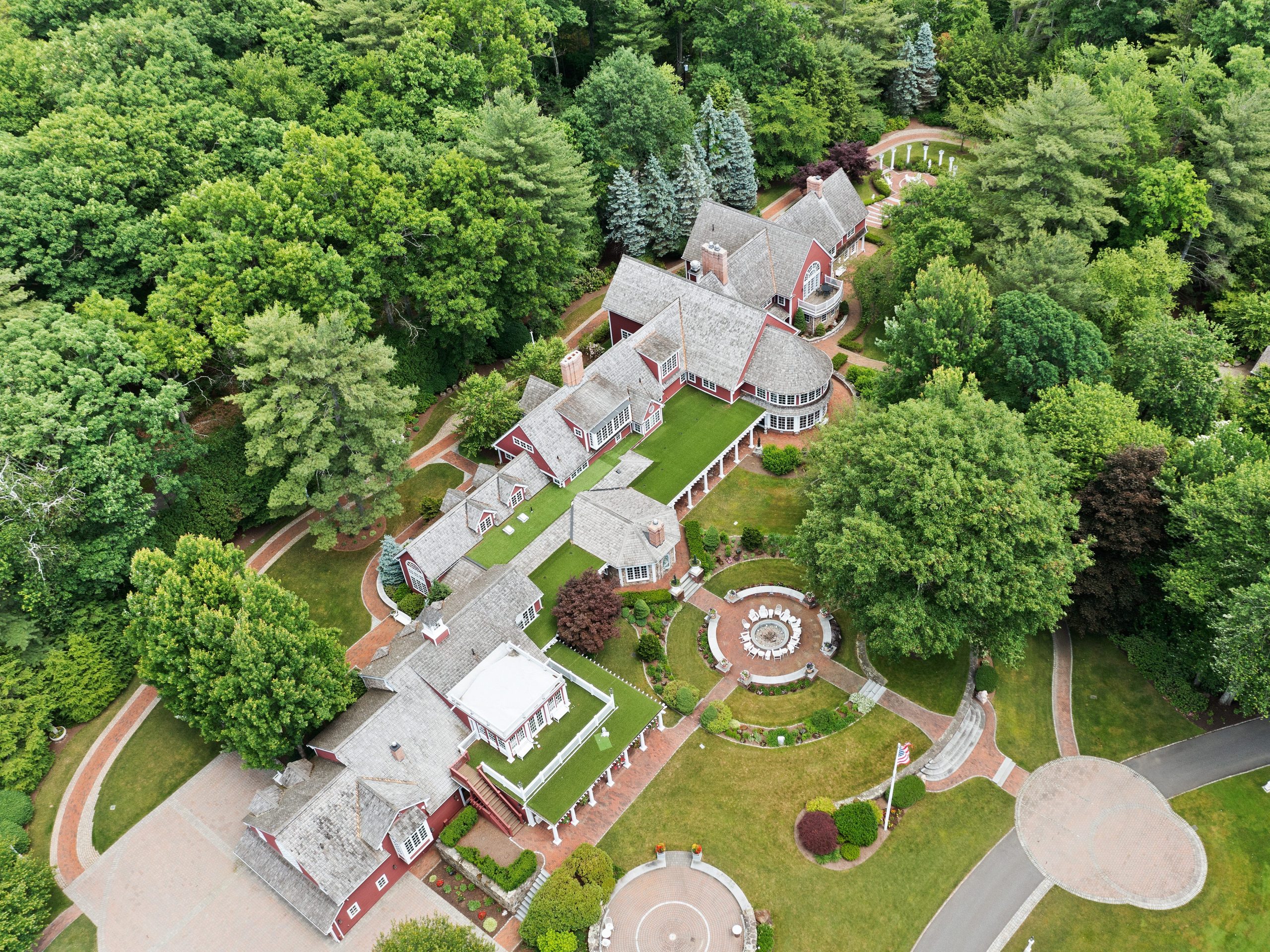
This isn’t just another mansion sale; it’s an artifact. This particular estate wasn’t some cookie-cutter suburban tract, but a sprawling acreage dotted with bizarre, often charming, outbuildings that spoke to a very specific, eccentric vision. Imagine a private golf course, an indoor water park (complete with rock slides, if you can believe it), and multiple residences, all nestled within Massachusetts. It’s an American dream, writ large and perhaps a little unhinged, that somehow manages to feel like a relic from a time when industrialist fortunes translated directly into baroque personal fiefdoms. And then it sat, year after year, a white elephant waiting for just the right eccentric millionaire to take up the mantle. That alone says something. [QUOTE_PLACEHOLDER]
For years, realtors trotted out their best pitches, each successive price cut a desperate sigh from the agents. But the market simply wasn’t biting at its initial astronomical price tag. One might call it aspirational, others might label it delusional. Turns out, reality bites harder than an overly optimistic property valuation. The sale, a quiet affirmation that money—even lots of it—still has its limits, now represents a telling moment in the saga of ultra-luxury real estate.
Because let’s be honest: who really needs an indoor water park in Massachusetts? That kind of peculiar amenity isn’t for just anyone, not even every multi-millionaire. It signals a shift. We’re seeing fewer titans eager to take on these sprawling, high-maintenance anachronisms, preferring perhaps a penthouse in Manhattan or a discreet, minimalist retreat in Malibu. This specific sale screams a broader re-evaluation of what constitutes luxury and, frankly, what constitutes sanity when it comes to residential scale. And perhaps it’s less about the property itself, and more about who’s got the cash to splash around, and where they want to spend it. The buyer remained undisclosed, a ghost in the transaction, but one can only imagine the type of capital behind such an acquisition—globalized wealth often opaque, moving fluidly across borders, perhaps from regions seeking stable asset havens.
We see a parallel in global capital flows, specifically for wealth seeking safe havens. Consider, for instance, the consistent upward trajectory of property investments in Dubai from, say, affluent families in Pakistan, Saudi Arabia, or elsewhere in the Middle East. They’re often parking fortunes in stable, high-end real estate, but that’s still within an urban context, less a quirky, sprawling New England compound. They’re looking for returns, sure, but also security and a modern lifestyle that aligns more with current definitions of opulence, not quite an ode to mid-20th century American retail eccentricities. The fact that this Yankee Candle estate struggled indicates its niche, its particularity, likely didn’t appeal to this segment of the global super-rich. It’s a very American dream that isn’t quite translating internationally anymore. And perhaps it’s a good thing, a signal that sanity, or at least utility, might be making a comeback.
And let’s consider the figures. According to a 2023 report by Knight Frank, global ultra-high-net-worth individuals increased their real estate holdings by approximately 7% on average last year, a stark contrast to the stagnant sales velocity for unique, high-maintenance estates in less sought-after ultra-luxury markets like this one. So while wealth is accumulating, its deployment isn’t always into every available lavish option.
One wonders what the late founder would think of his grand vision selling for a considerable haircut. Was it a reflection of the market, or perhaps, an indictment of the impracticalities of pure, unadulterated whimsy when confronting commercial reality? Whatever the answer, the gates of the gilded cage have closed, and a new era, likely less eccentric and certainly more pragmatic, begins. Perhaps this sale hints at how fragile the definition of extreme value can be, particularly when it’s wrapped up in personal branding. After all, not everyone wants to live in a monument to scented wax.
What This Means
This sale, or rather the $18 million concession required to make it happen, really spotlights a couple of telling economic shifts. First, it chips away at the illusion of infinite value in hyper-specific, legacy luxury assets. While blue-chip urban real estate in global hubs or discreet, understated estates still command premium, the era of buyers snapping up sprawling, bespoke amusement park homes purely for the bragging rights, especially those with eye-watering maintenance costs, seems to be receding. That’s a subtle but definite recalibration of what the ultra-wealthy are willing to invest in, and how much a property’s story contributes to its sellability when that story gets a bit too odd. It implies a preference for assets that are either more liquid, more functional, or better align with contemporary definitions of status and efficiency.
Second, politically speaking, it shows us the limitations of concentrated, personal wealth when facing market inertia. The founder’s family likely had significant resources, but even they couldn’t force the market’s hand indefinitely. It’s a miniature case study of how market forces can still humble even the grandest aspirations, regardless of the individual wealth behind them. This transaction becomes a microcosm for broader market misfires; where valuations become detached from utility, eventually, they correct, often aggressively. This particular kind of luxury—the sheer scale, the almost whimsical impracticality—doesn’t have the global cachet that more universally understood luxury assets do. It’s too rooted in a specific time, a specific brand of American entrepreneurial fantasy. That limits the buyer pool, reducing competition, and ultimately, pushing prices down when nobody is quite ready to take on someone else’s extravagant dream.
Finally, the anonymity of the buyer might suggest that the global wealthy, especially from regions with volatile geopolitical landscapes, are still quietly securing assets in stable markets, but their motivations aren’t always about flaunting or inhabiting these specific, over-the-top places. They’re often strategic moves—long-term hedges, perhaps, against uncertainty, which could mean these estates are bought more for their land value, or as a private family compound, than for their extravagant amenities, eventually transforming the property into something entirely new. It’s a sign of a new economic chapter, one where value isn’t always synonymous with visible opulence. Sometimes it’s about a discount.