


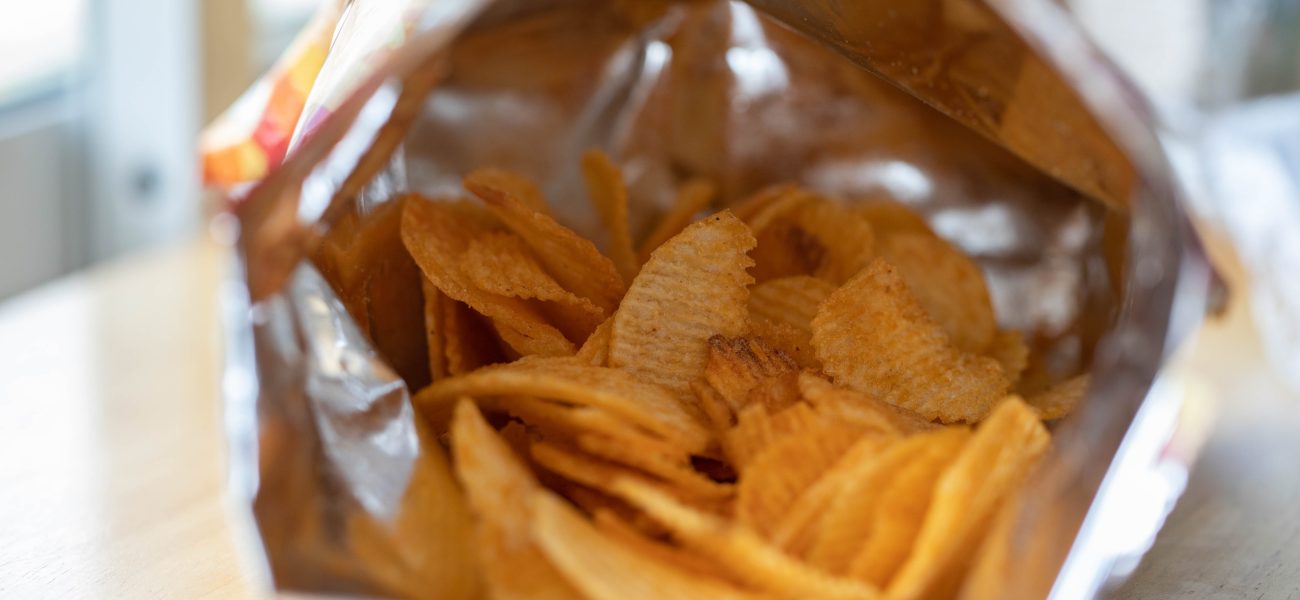
Snack Recall Shakes Global Trust & Regulatory Oversight
A major chip recall reveals critical flaws in global supply chains and regulatory oversight. Discover how this incident impacts FDA trust, international trade, and food safety standards worldwide.

POLICY WIRE — Washington D.C., USA — Sometimes, the biggest tremors begin with the smallest crumbles. A consumer product recall—even for something as innocuous as a bag of crisps—can be a surprisingly potent stress test for governmental oversight, global supply chains, and, frankly, the delicate balance of public trust. The recent classification of a recall of popular potato chips under the Food and Drug Administration’s highest risk level isn’t just about a potential stomach ache; it’s a cold, hard glare into systemic vulnerabilities that resonate far beyond American pantry shelves.
It wasn’t the kind of news one typically hears whispered in the halls of power, not at first. Yet, this particular incident, dubbed a Class I recall by the FDA (indicating exposure carries a reasonable probability of causing serious adverse health consequences or death), has snagged more attention than its seemingly mundane origin would suggest. The precise contaminant—its nature and source—remains subject to ongoing official investigation, with regulatory bodies stating simply that the public needed to [QUOTE_PLACEHOLDER]. They’re not fooling around; Class I isn’t thrown around for trivial matters.
But this isn’t simply a matter of bad batches — and frantic phone calls to consumer hotlines. Consider the sheer scale: processed snacks, like these implicated potato chips, aren’t typically niche items. They’re staples, deeply embedded in convenience stores, vending machines, — and family pantries everywhere. One can only imagine the operational nightmare facing manufacturers as they grapple with inventory extraction, communication, and, eventually, reputation repair. It’s a logistical beast of epic proportions—not just for the company, but for the FDA, which now finds its already strained resources pushed to the brink.
And then there’s the international flavor, so to speak. Globalization means that what happens in an American snack factory often doesn’t stay there. Supply chains stretch across continents, often with ingredients or manufacturing components sourced from distant lands. It wouldn’t be unusual for such a product to include specific spice blends or oils that trace their origins back to agricultural hubs in, say, South Asia. Picture the myriad small farms and local processors in places like Pakistan, many of whom are desperate for steady export revenue. A contamination scare in one end of the chain—even if not directly sourced from them—can send devastating ripple effects back, eroding consumer confidence in an entire product category. This often translates into unfair skepticism for legitimate producers, hindering economic growth and stability in developing regions.
Because let’s be honest, consumer habits are notoriously fickle. If trust is broken, it isn’t easily mended. This isn’t just about the occasional bad apple. It’s about the public’s confidence in an entire regulatory framework, a system built precisely to prevent such catastrophic failures. A 2023 report from the Government Accountability Office (GAO) noted a 15% increase in Class I food recalls over the preceding five years, citing understaffing and outdated inspection protocols as contributing factors. That’s a statistic that doesn’t just inform; it worries. It says the system isn’t keeping pace.
For manufacturers, this episode has already forced an unprecedented degree of introspection, especially those involved in high-volume, low-margin food production. The cost of this recall—factoring in lost sales, disposal, legal fees, and marketing campaigns to regain footing—will be astronomical. But it’s not merely financial. There’s a human toll, too, a silent fear of compromised well-being, even mortality, hanging in the air. When public officials tell you to [QUOTE_PLACEHOLDER], people tend to listen, usually after a momentary internal argument with themselves over their craving for salt and grease. We’re a complex bunch.
It highlights an uncomfortable truth: in an interconnected world, even the most seemingly benign consumer good can carry latent geopolitical risk. And regulators, like it or not, are always playing catch-up. They’re constantly balancing vigilance with resource constraints. It’s a tough spot, truly, with stakes higher than a bag of chips can convey.
What This Means
This chip recall is more than just an inconvenient news blip; it’s a stark reminder of regulatory fragility and its cascading political and economic consequences. Politically, it immediately pressures the FDA and Department of Agriculture to demonstrate competence and swift action, especially in an election year. Expect more rigorous public statements, perhaps even calls for increased budget allocations for food safety—though whether Congress will heed those calls remains a cynical question.
Economically, the impact will hit the specific manufacturer hard, potentially triggering job losses or significant financial restructuring. But beyond that immediate hit, it rattles investor confidence in the broader processed food sector. Will shareholders demand more stringent, costly internal quality controls? Absolutely. And the ripples will definitely touch international trade. Countries importing American food products might increase their own scrutiny, leading to slower customs processing and higher import costs—a non-tariff trade barrier, in essence. For Pakistan and other South Asian economies heavily reliant on food exports or component supply to global markets, this incident is a flashing red light. It underscores the urgency of robust, transparent food safety standards *within* their own borders, as a perceived weakness, however geographically distant, can still poison the well of their export potential. In the policy sphere, these ‘little’ incidents often trigger disproportionately large discussions on systemic oversight and global regulatory harmonization. But whether these discussions lead to tangible, effective reform, well—that’s a different bag of chips altogether.