


Ukraine’s Deep Strike: Volga Refinery Hits Russia’s Economy
Kyiv's drone strike on a Russian Volga refinery hits deep, disrupting Moscow's war economy. Uncover Ukraine's evolving strategy & its impact on Russia's defenses & morale.

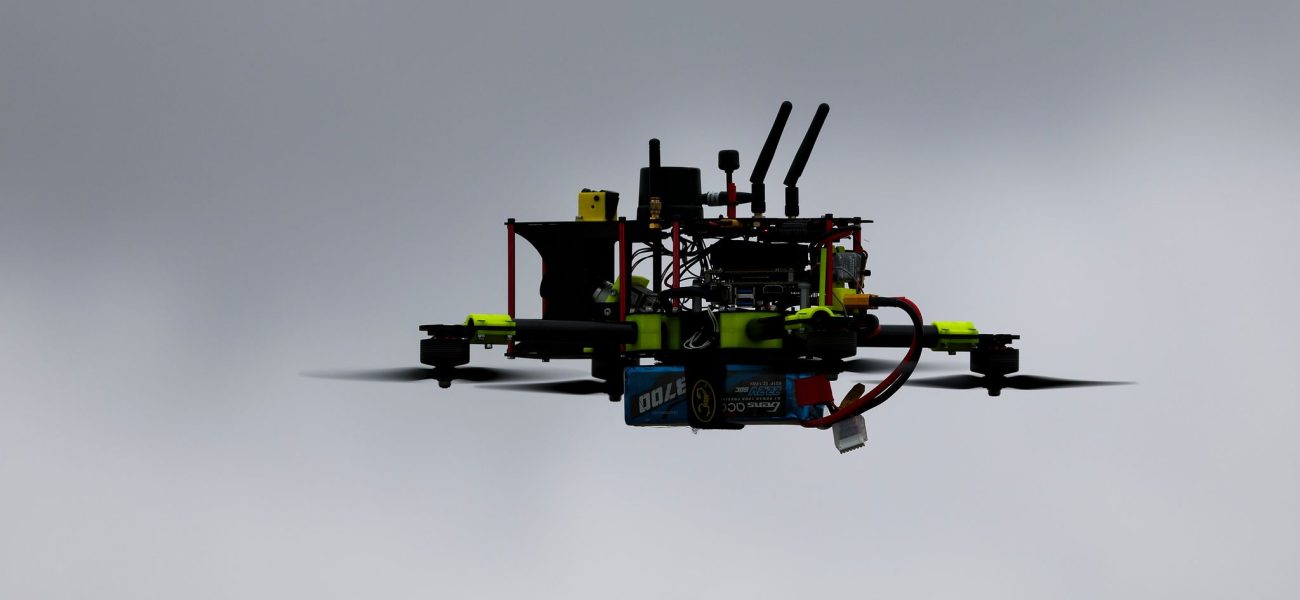
POLICY WIRE — Washington D.C., USA — The hum of an uncrewed aerial vehicle, distant but distinct, recently punctured the quiet — and the presumed security — deep within Russia. This wasn’t some frontline skirmish; it was a targeted strike on an oil refinery nestled comfortably along the Volga River, a stark reminder that modern conflicts rarely respect old notions of a safe rear echelon.
It’s a nasty, brutish war, but Kyiv’s latest moves confirm they aren’t content fighting it solely on their own soil. Ukraine has consistently pushed the boundaries of its drone warfare capabilities, systematically — and quite effectively, it seems — targeting energy infrastructure that fuels Moscow’s war machine. This particular incident, hitting hundreds of miles from the recognized battle lines, speaks volumes. It’s a bold statement, not just about Ukrainian ingenuity, but about Russia’s surprisingly permeable air defenses. You’d think a superpower wouldn’t leave such critical assets quite so exposed. They’ve got resources, don’t they? [QUOTE_PLACEHOLDER]
The refinery attack serves multiple purposes. For starters, it’s about economics, plain — and simple. Every drop of oil refined, every barrel shipped, contributes directly or indirectly to the Kremlin’s ability to prosecute this grinding war. Disrupting these operations, even temporarily, is an attempt to squeeze the lifeblood of Moscow’s military-industrial complex. Russia is a major player, after all. For instance, according to global energy analysts, Russia typically exports more than 4 million barrels of crude oil each day, much of it generating revenue that finds its way into state coffers.
But there’s a psychological game at play too. Striking far from the front lines sends a message directly to the Russian populace. It’s a clear, unsettling signal that the conflict isn’t some faraway exercise confined to Ukrainian villages. It can reach home. It can touch the very economic arteries they rely on. Such incursions chip away at any illusion of normalcy, stirring discomfort and potentially questioning the war’s utility among ordinary citizens. And that’s something autocratic regimes, despite their bravado, genuinely dislike.
This evolving drone strategy complicates Russia’s logistical equations. They’re now forced to divert increasingly scarce air defense assets from the front, or from protecting Moscow itself, to safeguard industrial sites deep within the country. It’s a resource drain, a tactical chess move that obliges Russia to make tough choices about where its priorities lie. Because you can’t protect everything, can you?
📄 POLICY WIRE WHITEPAPER PUBLISHED: PAKISTAN'S NATIONAL SECURITY POLICY PRIORITIES
👉 READ BY CLICKING HEREWhat This Means
The strike on the Volga refinery isn’t just a one-off event; it’s a bellwether for what promises to be a sustained campaign aimed at undermining Russia’s economic stability and domestic morale. Politically, it deepens the Kremlin’s domestic dilemma: how to project strength externally while managing growing internal vulnerabilities. Economically, even localized disruptions at key energy facilities can ripple through global markets, though perhaps not immediately. Countries like Pakistan, for instance, which relies heavily on imported energy, have a keen, if often anxious, interest in the stability of global oil and gas prices. Escalations, particularly those impacting major exporters like Russia, inevitably stir concerns in Islamabad, as they know those price shifts hit hard on their already fragile balance sheets and can fuel domestic unrest. They’ve got enough problems without that.
The technological sophistication demonstrated by Kyiv, launching drones across such vast distances with precision, indicates a learning curve that Western intelligence agencies are surely scrutinizing. It’s a grim showcase of adaptable asymmetrical warfare. For South Asia and parts of the Muslim world, far from the immediate European theater, these geopolitical tremors might seem distant. But their leaders are keenly aware of how such prolonged conflicts impact everything from commodity prices to maritime shipping routes. Regional stability, after all, isn’t just about local skirmishes; it’s about the intricate global dance of supply chains and superpower posturing. And right now, that dance is looking increasingly awkward.
Looking ahead, we can anticipate more of these deep-strike operations. Ukraine won’t stop so long as its territory is under siege. This escalatory trajectory implies an increased risk to critical infrastructure across Russia and a deepening international headache over energy security. It also underlines the West’s complicated position: supporting Ukraine militarily but often privately cautioning against strikes that could significantly destabilize global markets. But you know, when your country is fighting for its very existence, those subtle admonitions tend to fall on deaf ears. It’s an inconvenient truth, isn’t it?