

NM’s Extreme Weather: Climate Change & Policy Impact
New Mexico's climate is changing dramatically, bringing extreme weather. Understand the economic, infrastructure, and policy challenges facing the state.

POLICY WIRE — ALBUQUERQUE, N.M. — The high desert, usually a study in stoic endurance, found itself on the cusp of a spectacular — and rather unwelcome — meteorological theater. It wasn’t the sun-drenched silence, nor the gentle hum of irrigation pivots, but a looming atmospheric upheaval that had officials casting wary glances skyward. Turns out, even ancient landscapes can’t sidestep the capricious mood swings of a changing climate. What’s unfolding across New Mexico’s eastern expanses feels less like a simple forecast and more like a stark, elemental confrontation.
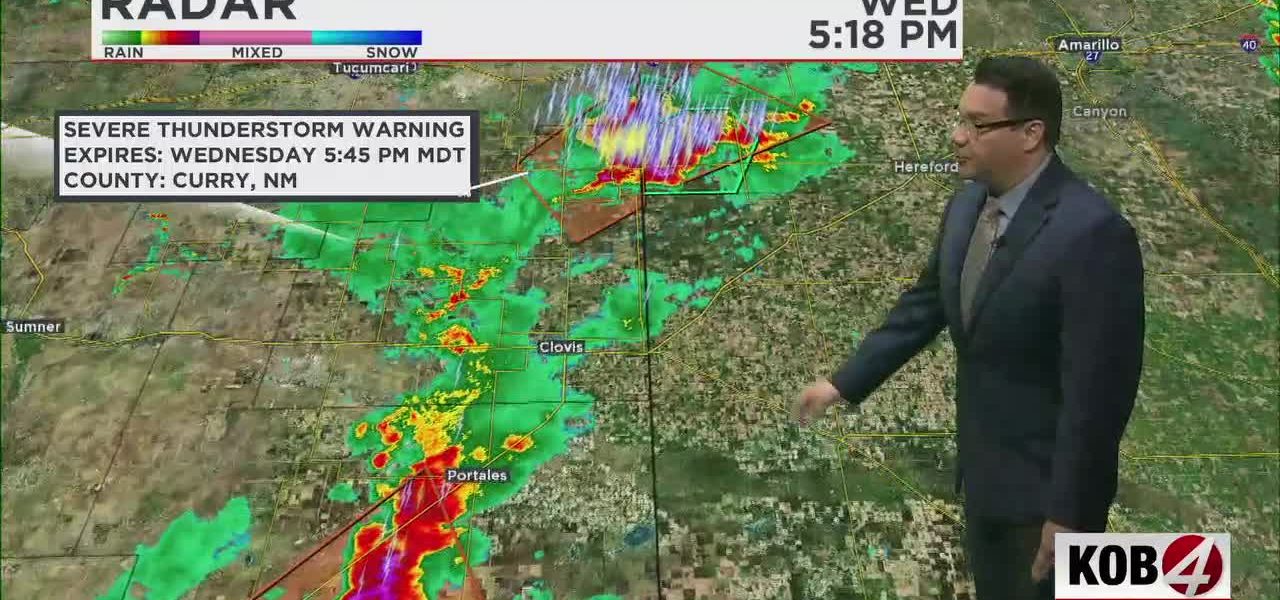
By late Wednesday evening, folks were battening down the hatches. Why? Because [QUOTE_PLACEHOLDER] That’s a whole lot of drama packed into one night. The meteorological stage for this spectacle wasn’t small; [QUOTE_PLACEHOLDER] It’s a swath of the state known for its agriculture, its oil fields, and its steadfast refusal to be anything but New Mexico, come hell or, well, high water — or, in this case, hail.
As the front pushed east, [QUOTE_PLACEHOLDER] a fleeting respite perhaps for the Land of Enchantment. But before New Mexicans could truly breathe easy, another atmospheric nuance entered the picture. A different kind of haze, less water vapor — and more particulate matter, crept across the horizon. [QUOTE_PLACEHOLDER] It’s a bitter cocktail of fire-born particulate mixing with the aftermath of electrical storms—a truly modern-day ecological lament, isn’t it?
And so, after a tumultuous Wednesday night, a deceptive calm is set to descend. [QUOTE_PLACEHOLDER] But this quiet, you see, often holds a deeper echo, one of property damage, crop losses, and disrupted routines. The damage wrought by [QUOTE_PLACEHOLDER] can strip leaves from trees and dignity from unprotected structures, creating an immediate—and costly—challenge for communities already navigating a landscape perpetually on the edge.
Looking ahead, the forecast softens slightly. [QUOTE_PLACEHOLDER] though eastern areas weren’t entirely out of the woods. [QUOTE_PLACEHOLDER] While [QUOTE_PLACEHOLDER] one can’t escape the lingering sense that the state’s dry climate is becoming a bit more temperamental. It’s a narrative echoing in arid — and semi-arid regions globally, where water scarcity battles severe weather whiplash. Consider the parallels: just as New Mexico grapples with a tenuous water supply and sudden deluges, countries like Pakistan are contending with intensifying monsoon seasons and flash floods that threaten crucial infrastructure, impacting millions. The environmental precarity feels strikingly familiar, from the American Southwest to South Asia.
📄 POLICY WIRE WHITEPAPER PUBLISHED: PAKISTAN'S NATIONAL SECURITY POLICY PRIORITIES
👉 READ BY CLICKING HEREGlobally, a 2022 report by the World Meteorological Organization highlighted that weather, climate, and water-related hazards accounted for 79% of all disasters worldwide recorded between 1970 and 2020. That’s a staggering figure, painting a clear picture of an increasingly unpredictable planet. While [QUOTE_PLACEHOLDER] that phrase itself almost carries a historical wistfulness. What even is ‘normal’ anymore?
What This Means
These intermittent, violent weather episodes, particularly in vulnerable areas, aren’t just inconvenient; they’re bellwethers for larger political and economic ripples. Politically, the immediate aftermath demands agile disaster response and — crucially — budget reallocations. Infrastructure, roads, — and power grids strain under the sudden shock of extreme winds and heavy rain. Does the state possess the political will, or indeed, the necessary capital, to harden its critical infrastructure against a climate that’s clearly gone off-script? Policy decisions made today around emergency services, public works, and agricultural support become acutely magnified during such events. And for communities navigating arid landscapes, the struggle for resource management, particularly water, only intensifies with such erratic climatic shifts. The delicate balance of water allocation and cross-border resource sharing, as seen with complex agreements like the Indus Waters Treaty, serves as a sobering global benchmark for how water, or its dramatic excess, can become a flashpoint for policy challenges.
Economically, the impact can be swift — and painful. Agricultural communities, the bedrock of places like Portales and Clovis, face immediate threats to crops and livestock. Hail, particularly large hail, can decimate fields in minutes. Property damage translates to insurance claims, higher premiums, and a drain on local economies already facing broader inflationary pressures. There’s a hidden cost too: the mental toll on residents repeatedly subjected to such volatility. It’s not just a weather report; it’s an economic forecast in miniature, predicting repairs, lost income, and the psychological burden of uncertainty. We’re increasingly seeing this phenomenon— from coastal erosion to devastating floods in major African cities, the grim bill for climate inaction is arriving cash-on-delivery for nations ill-equipped to pay it. How the state chooses to prepare and recover from these increasingly common weather extremes will speak volumes about its long-term resilience, or lack thereof.