

Pakistan: Child’s Death Exposes Systemic Neglect
A child's tragic death in an abandoned well exposes Pakistan's systemic neglect and infrastructure failures. Policy Wire investigates preventable tragedies and demands accountability.

POLICY WIRE — Islamabad, Pakistan — The sun dipped, then rose, then dipped again, its scorching light replaced by the frantic glare of industrial lamps. For twenty-one excruciating hours, a distant, muffled cry became the torturous pulse for an entire nation. The earth moaned, groaned, — and finally, coughed up a grim reality: a four-year-old boy, Imran, wasn’t coming back. Seventy meters deep in an abandoned well in a desolate corner of Balochistan, his brief life ended, and with it, the desperate hope of thousands glued to screens, holding their breath.
It wasn’t a sudden natural disaster, you know? Not an earthquake or a tsunami, but a slow-motion, entirely predictable calamity born of chronic neglect. A simple hole in the ground, left gaping—a forgotten industrial wound in the earth’s crust. Imran, like countless other curious, oblivious children across Pakistan’s parched hinterlands, stumbled upon it. And he fell. A common story, really, far too common for comfort.
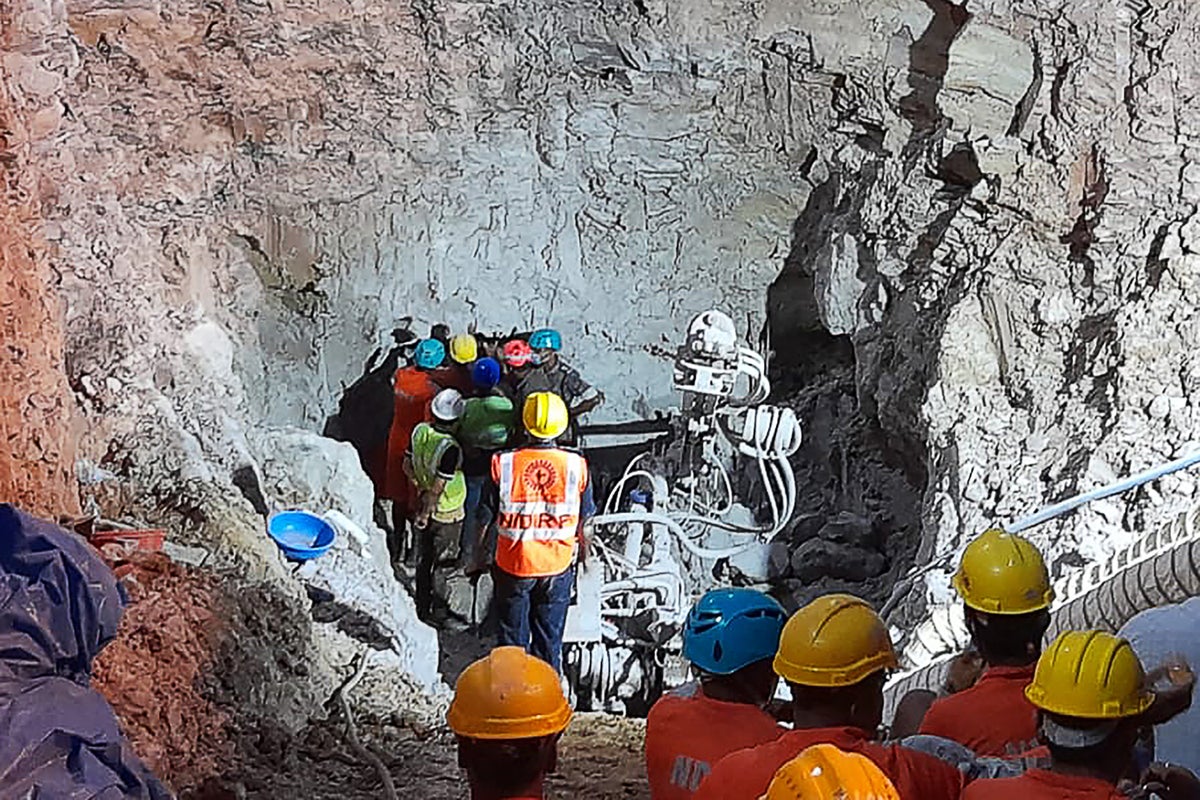
The machinery arrived in fits — and starts, great hulking things tearing at the earth next to the impossibly narrow bore. Locals, their faces etched with despair — and grit, worked alongside the official teams. It was a Herculean task, slow and painstaking. Every handful of soil moved, every concrete slab shored up, felt like a battle fought against gravity and time. But even with all that effort, even with the fervent prayers rippling through mosques and homes—it wasn’t enough. Hope, that fragile, tenacious weed, eventually withered in the unforgiving Baloch wind.
Malik Qasim, a regional disaster management coordinator, his voice ragged from sleep deprivation and sorrow, articulated the collective pain. “We’re absolutely heartbroken. We tried everything. Everything humanly possible.” He paused, looking away, perhaps at the now-empty, makeshift rescue pit. “But it’s more than that. This isn’t just an accident; it’s a failure we can’t ignore, a scar on our conscience that demands answers.” And he’s not wrong. Because these aren’t isolated incidents. Not in a country where informal industries boom — and oversight lags light years behind.
“We can offer prayers, we can send condolences, but that changes nothing for Imran’s family or the next child who stumbles into an abyss of governmental apathy,” remarked Senator Zahra Rahman, a vocal critic of infrastructure failures, her tone clipped with frustration. “It’s time we held someone, anyone, accountable. These aren’t just wells; they’re open graves dotting our landscape, consequences of a broken system.”
The hard truth? According to various local NGOs and humanitarian reports, hundreds of unsealed, abandoned wells and boreholes continue to pepper rural and semi-urban areas across South Asia and the broader Muslim world, claiming an estimated 50-70 lives annually in preventable tragedies like Imran’s. It’s a statistic that rarely makes prime-time news, overshadowed by geopolitical skirmishes — and economic gyrations. But for the families shattered, it’s everything.
His body, tiny and still, was retrieved. The TV crews packed up. The crowds dispersed. Life, in its brutally indifferent way, began to trudge on. But for the Policy Wire, a stark observation remains: this tragic saga highlights a grim nexus of underdeveloped infrastructure, lax safety regulations, and—let’s be honest—governance that prioritizes rhetoric over genuine, boots-on-the-ground change.
What This Means
The immediate grief for Imran is, without question, profound. But beyond that personal agony lies a glaring political — and economic wound. Such preventable deaths expose a critical vulnerability in developing nations, particularly in regions like Pakistan or parts of the Middle East and Africa, where basic safety protocols often fall through the cracks. It’s not just about one well; it’s about a pervasive culture of oversight — or lack thereof — for the everyday infrastructure that touches millions of lives. Abandoned construction sites, poorly maintained public utilities, unregulated industrial zones; they all pose similar existential threats to their most vulnerable citizens. It isn’t just children falling into wells; it’s entire communities often lacking basic provisions. When Nigeria’s economy struggles to account for billions, or international aid gets bogged down by local logistics, these are symptoms of the same systemic ailment. Until there’s a rigorous, accountable framework for land use and safety, and—frankly—the political will to enforce it, the ghosts of future Imrans will continue to haunt these barren landscapes. Governments that fail to protect their youngest and most innocent eventually lose the trust, and perhaps, the legitimacy, of all their people. It’s a costly price, paid not in currency, but in irreversible loss.