
China’s Soft Power, EU Trade: Global Order Reshaped
China uses global football fandom for soft power, while the EU defines future trade. Discover how these forces are reshaping the international landscape.

POLICY WIRE — Washington D.C., USA — They say bread and circuses distract the masses. But what if the circuses are playing out thousands of miles away, and your national team isn’t even invited to the show? This World Cup, as nations squared off in North America, Beijing’s grand economic ambitions quietly manifested not on the pitch, but in the rapt attention of its 1.4 billion people. The nation that wasn’t playing dominated fan statistics and, tellingly, sponsorship deals—a far more profound statement than any victory goal.
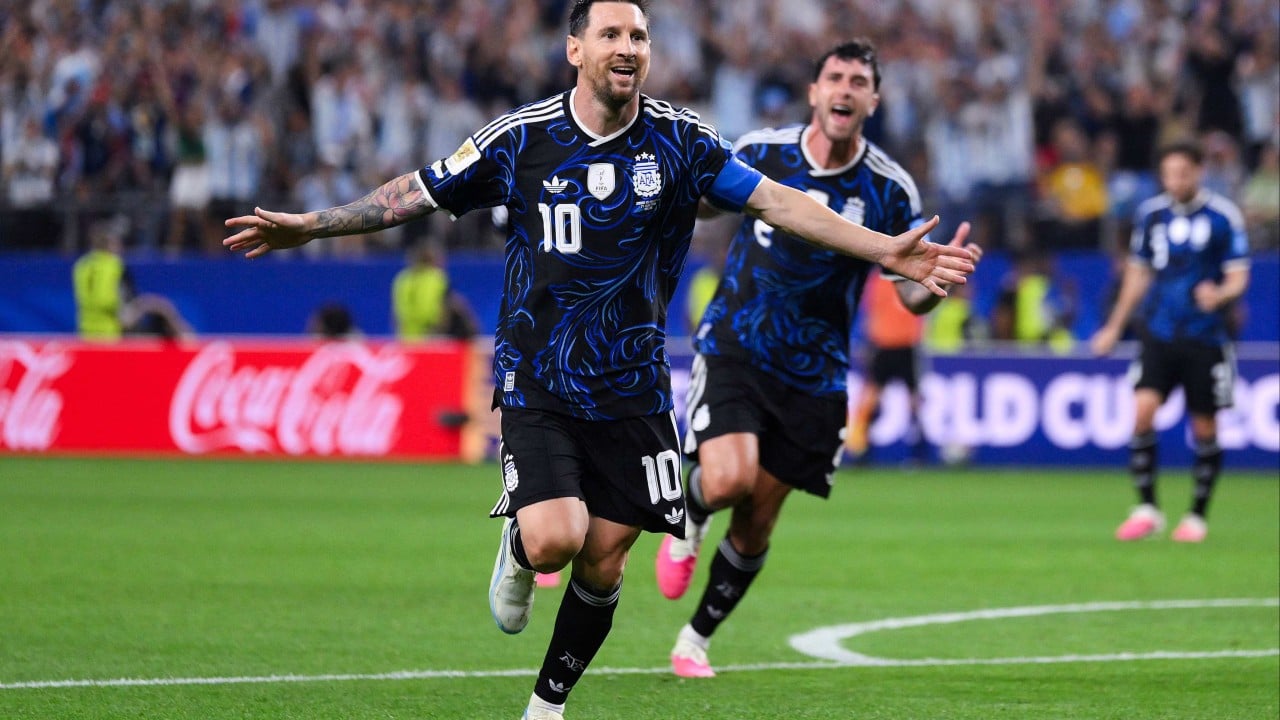
It’s a peculiar thing, this football fever gripping China. With their own squad watching from the sidelines, Chinese fans didn’t just casually tune in; they traveled in legions. They didn’t root for their national colours, obviously. Instead, they pledged allegiance to the footwork of Lionel Messi, the swagger of Cristiano Ronaldo, and, somewhat bafflingly, the unwavering gaze of specific referees. It’s not mere fandom; it’s a deep dive into globalized consumption, a fascinating proxy for geopolitical reach where economic muscle, not athletic prowess, reigns supreme. We’re talking about an ecosystem where fans from Beijing and Shanghai spend millions, driving narratives for players that might never set foot in their home stadiums, proving you don’t need a team to dominate the discourse, or the merchandise sales. That’s a clever trick, if you ask me.
Because while Western pundits scratch their heads, puzzled by this devotion to foreign legends, Beijing’s economic engine hums. This isn’t just about entertainment; it’s about China’s expanding digital economy and soft power strategy, where popular culture opens doors political envoys often find shut. And the numbers don’t lie. According to state-backed media, China’s sports industry market size is projected to exceed 5 trillion yuan (approximately $700 billion USD) by 2025, reflecting massive domestic engagement and investment even without direct sporting success. This robust growth, you see, speaks volumes about its consumption power, often overlooked by those fixated solely on export figures.
But this isn’t just a Chinese affair. Half a world away, the European Union finds itself navigating its own delicate dance—a looming trade deadline with implications for industries from Stuttgart to Sèvres. Brussels, always meticulous, is balancing environmental mandates with competitive global trade, particularly eyeing relations with powerful, and sometimes difficult, partners. It’s a complicated calculus, isn’t it? One where the political capital expended on football fandom in one corner of the globe is mirrored by the economic stakes in another. “Our commitment to fair trade and sustainability isn’t just about rhetoric; it’s about safeguarding European interests and upholding our values globally,” stated EU Trade Commissioner Valdis Dombrovskis recently, underlining the Union’s hard line. He’s got to say that, of course, but it doesn’t make the deadlines any less sharp.
And these threads often converge, often in unexpected places. Take Pakistan, for instance, a nation captivated by the very same Messi — and Ronaldo as their Chinese counterparts. Beijing’s investment in infrastructure projects across South Asia, most notably the China-Pakistan Economic Corridor (CPEC), has interwoven their economic fates. This also means China’s cultural exports, including its media consumption trends, find receptive audiences there. When Chinese social media is abuzz about a Ronaldo goal, you can bet that chatter ripples into news cycles across Lahore and Karachi, bridging vast cultural divides through shared sporting passions. It’s an interesting sort of osmosis, isn’t it? Not always official policy, but certainly impactful.
“The energy of our people, even when supporting international stars, reflects a vibrant enthusiasm for global connection and an openness that positions China as a formidable force in the twenty-first century’s cultural exchange,” commented Hu Xijin, former editor-in-chief of the state-run Global Times. A calculated observation, that one, hinting at bigger designs than just shirt sales.
What This Means
This odd dichotomy—China’s proxy domination of a global sporting event through sheer consumer might and the EU’s unyielding resolve on trade negotiations—speaks volumes about the emerging contours of global power. Beijing isn’t just exporting goods; it’s exporting influence, leveraging the emotional economy of fandom to create widespread soft power opportunities. They don’t need to win the World Cup; they just need everyone to be talking about their favourite player, sponsored by Chinese brands, with Chinese fans dominating the audience share. That’s a subtle but powerful way to shape perceptions and build relationships that transcend traditional diplomatic channels. It makes the world smaller, more interconnected, and allows Beijing a quiet, but undeniably strong, foothold in places like Pakistan, whose audiences share in this global sports spectacle.
But the EU’s firmness on trade, on environmental stipulations, — and on data governance, offers a counter-narrative. It shows that despite the seductive power of globalized entertainment — and commerce, there are still lines, still rules. Europe isn’t just about consumption; it’s about regulation, about setting standards for the next era of international commerce. So, while Chinese fans watch Argentine or Portuguese brilliance, the bureaucrats in Brussels are charting out the regulatory battlegrounds of tomorrow. It’s all part of the grand chess match, just with different pieces moving on different boards, but ultimately impacting everyone. Don’t be fooled by the pretty pictures; it’s always about the bottom line, always about control. It always is, and it always will be.