


Ukraine Drones Hit Russian Oil: Moscow’s Fuel Crisis Deepens
Ukraine's drones are striking deep into Russia, crippling oil facilities & sparking fuel rationing. Discover how Kyiv's asymmetric warfare redefines conflict & fuels Moscow's crisis.

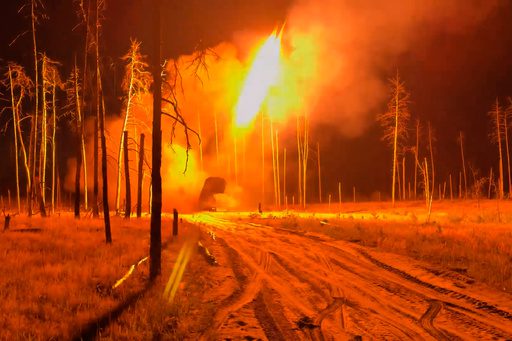
POLICY WIRE — Kyiv, Ukraine — Forget the trenches, the endless artillery duels; this war’s frontline now snakes a thousand kilometers deep into Russian territory. President Volodymyr Zelenskyy, with characteristic resolve, confirmed this week what satellite imagery and whispers from beleaguered Russian motorists had already suggested: Ukraine’s cutting-edge drone arsenal had again savaged a major Russian oil facility. It’s not just a blow, you see. It’s a systemic erosion—a deliberate, surgical strike on the very lifelines fueling Moscow’s grinding campaign, all but signaling a brutal, sophisticated escalation. This particular hit, the second at the Ufa refinery in a single week, targeted a behemoth over 1,000 kilometers from Ukraine’s borders, responsible for a significant chunk of Russia’s lubricants production. The audacity—it’s quite something.
For months now, these remote attacks on Russian oil facilities—refineries, depots, pipelines—have morphed from an annoyance into a legitimate national security headache for the Kremlin. Think about it: a nation that bills itself as a global energy superpower is now seeing fuel rationing in its own backyard. The implications aren’t just strategic; they’re deeply, painfully economic for average Russians, and they ripple far beyond. And while Moscow’s defense ministry blithely announced intercepting a staggering 179 Ukrainian drones across a vast swathe of its land, including occupied Crimea and the Azov and Black Seas, it offered little explanation for the gaping holes in their national energy network. Penza Governor Oleg Melnichenko merely admitted to some downed drone debris — power lines, construction sites. Right. Just debris.
Kyiv isn’t just holding the line anymore; it’s aggressively rewriting the rules of engagement. Western officials — and military analysts now widely concede Ukraine has managed to forge an asymmetric edge. They’ve developed some truly nasty bespoke weaponry. But more than just hitting strategic targets, these attacks are crippling logistics behind the lines. Mykhailo Fedorov, Ukraine’s Minister of Defense, didn’t mince words. “Russians now have great problems with delivering infantry to the front line — and supplying it,” he told us recently. It’s a logistical nightmare for a country trying to maintain a major land invasion.
The global impact isn’t confined to Moscow’s borders. For resource-strapped nations, particularly in the developing world and parts of the Middle East, volatility in energy markets always stings. Pakistan, for instance, a nation constantly wrestling with its energy bill and inflation, watches every flicker in global oil prices with bated breath. An unstable Russia, potentially impacting its oil export capabilities—even slightly—could introduce unwelcome pressure onto already strained national budgets globally. Because, well, oil still makes the world go ‘round, — and supply shocks reverberate.
It’s also prompted a rather striking interest in Ukraine’s home-grown military tech, specifically their drone program. Kyiv, in an ironic turn, finds itself becoming an unlikely vendor of next-generation asymmetrical warfare solutions. Europe, watching Russia’s continued aggression with an uneasy gaze, increasingly views Ukraine as less a struggling recipient of aid and more a frontline bulwark. Swedish Defense Minister Paul Jonsson, while in Kyiv for talks with Fedorov—discussions that included an agreement for Gripen fighter jets, apparently meant to counter Russia’s brutal glide bombs—put it pretty starkly. He believes Ukraine is quickly evolving into ‘a security provider for the whole of Europe.’ Imagine that. And then there’s the NATO question, never far from anyone’s lips, particularly with an alliance summit in Turkey looming next week. Jonsson was quite explicit: “The sooner it happens, the better it’s for you, the better it’s for our security and prosperity as well.” That’s a bold statement, isn’t it?
Meanwhile, Ukraine also presses its bid for European Union membership. Zelenskyy recently touched down in Ireland, which currently chairs the EU’s rotating presidency. He was pushing hard. Ukraine, he maintains, proves its worth daily as an equal European partner. Opening all negotiation clusters is the goal, he noted, underscoring—or rather, just pointing out—the long road ahead. For more insights on global economic shifts and energy pressures, consider our previous report on Germany’s Fuel Shockwave, which detailed how even well-resourced economies reel from energy market disruptions.
What This Means
These strikes, ostensibly tactical military maneuvers, are morphing into a potent economic weapon. They lay bare Moscow’s deeply stretched resources — and infrastructure vulnerabilities. Politically, they challenge Putin’s image of unshakeable control, hinting at growing dissent among an populace feeling the squeeze of rising fuel prices and prolonged conflict. This isn’t merely about slowing Russian tanks; it’s about making the cost of invasion unbearable at home. The broader implications? A renewed, desperate push from the Kremlin, perhaps, or a gradual, agonizing concession of the financial toll. It also means Europe, increasingly pragmatic, can’t simply hand-wring. Kyiv isn’t just asking for help anymore; it’s offering a blueprint for modern resistance, pushing innovations that—let’s be frank—many established Western militaries are just now starting to grasp. And domestically, for Russia, these attacks introduce a new level of friction between the state’s narratives and citizens’ daily realities—a widening gulf where the truth about Moscow’s strategic miscalculations can fester and grow.
But the horror in Ukraine itself doesn’t stop. Russian long-range missile — and drone attacks continue to claim innocent lives. In the southern Kherson region, a bus strike killed two, injured six. In Dnipropetrovsk, five gas stations—yes, five—were attacked overnight, claiming a 43-year-old woman and injuring several, including a pregnant woman. The irony of Russia’s own fuel woes coinciding with its targeting of Ukrainian gas stations isn’t lost on us. They’re just civilians. Always are.