

Aftershocks, Aftershocks: Venezuela’s Ground Shifts Beneath a Wary World
POLICY WIRE — Caracas, Venezuela — The earth, it seems, has decided to contribute its own form of protest against Venezuela’s ongoing woes. More than 1,700 lives now scatter the landscape as grim...

POLICY WIRE — Caracas, Venezuela — The earth, it seems, has decided to contribute its own form of protest against Venezuela’s ongoing woes. More than 1,700 lives now scatter the landscape as grim markers of a devastating series of earthquakes that has rocked the nation, but the real aftershocks are only just beginning to reverberate through an already fractured political and economic sphere. This isn’t just about geology; it’s about what happens when cataclysmic nature meets a country perpetually on the brink.
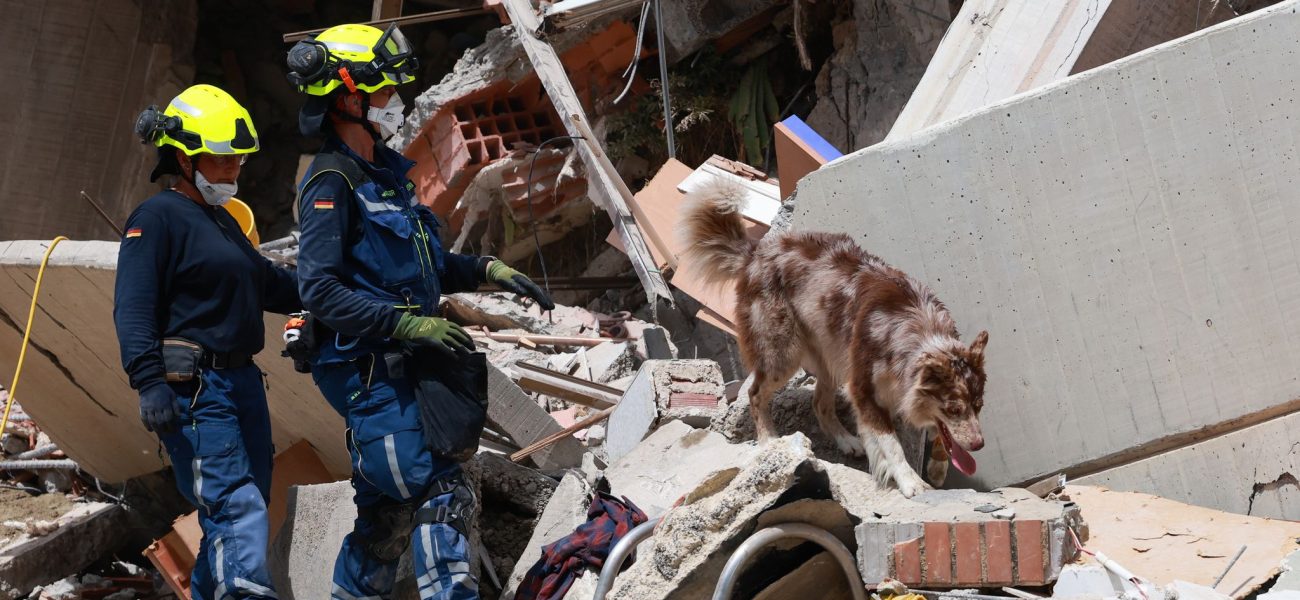
It was Tuesday when the first major tremor—a shuddering magnitude 7.8, centered deep beneath the Caribbean Sea—brought buildings crumbling in Caracas and along the coast. Hours later, as search efforts struggled to get off the ground, a potent 7.3 magnitude aftershock struck, sealing the fate of untold hundreds trapped in the rubble. That subsequent jolt didn’t just rattle structures; it pulverized any faint hope of swift rescues in many districts. Emergency services, already underfunded and stretched thin from years of neglect, found themselves battling a horror show that escalated by the hour.
For President Nicolás Maduro’s government, this isn’t merely a natural disaster; it’s a profound, unwelcome spotlight on national fragility. Their narrative, perpetually one of defiant resilience against external pressures, now faces an internal collapse of tragic proportions. Resources are scarce, even for everyday operations, let alone a large-scale emergency response. And they’re trying to manage this without looking like they need, well, help. But everyone knows they do.
“We’re facing this challenge head-on, with every single ounce of national resolve,” declared Interior Minister Remigio Ceballos Ichaso, his voice a strained calm during a late-night broadcast. “But the sheer scale—it’s something that would test any nation, rich or poor. Our priorities are rescue, recovery, and supporting our resilient people.” It’s a boilerplate statement, sure, but the underlying admission of the Herculean task was barely veiled.
Rescue teams, some pulling 18-hour shifts, paint a starker picture. Dr. Sofia Vargas, a volunteer physician at a makeshift clinic outside Maracaibo, wiped sweat from her brow. “Our people, they’ve suffered enough,” she lamented, motioning towards rows of cots. “You can’t eat ‘resilience,’ you can’t build with ‘resolve.’ We need real aid, now. What they’re saying on TV… it’s not what we’re seeing here.” Her exasperation was palpable—an all-too-familiar refrain from the streets.
Because, for all the government’s bluster, the raw numbers are stacking up. Unofficial estimates from international aid organizations suggest the number of displaced persons could reach into the tens of thousands, stretching what little social infrastructure Venezuela has left past its breaking point. Just last year, the United Nations Office for the Coordination of Humanitarian Affairs (OCHA) reported that only about 26% of requested humanitarian aid funding for Venezuela was met, a paltry sum for a country facing a perpetual crisis.
📄 POLICY WIRE WHITEPAPER PUBLISHED: PAKISTAN'S NATIONAL SECURITY POLICY PRIORITIES
👉 READ BY CLICKING HEREAnd then there’s the international dimension. Geopolitically, Venezuela remains somewhat isolated. While countries typically rush to offer assistance in such crises, the existing political frictions make direct, unfettered aid complicated. You don’t just fly relief supplies into a country where sovereign claims are debated and internal governance is contested without some serious diplomatic dance-steps. It’s a humanitarian issue, yes, but it’s a political football too.
The tragedy even draws parallels across continents. Pakistan, for instance, a nation no stranger to seismic activity and often dependent on external aid for its own disaster responses—like the devastating 2005 Kashmir earthquake or the perennial floods—understands this precarious balance well. Countries in the Global South often find their vulnerabilities compounded not just by nature’s fury, but by their own economic and political instabilities, turning natural events into supercharged human crises.
What This Means
The recent quakes present a chilling inflection point for Venezuela. Economically, rebuilding is an unimaginable cost; its infrastructure was crumbling even before the ground gave way. The national budget, heavily reliant on oil production that’s seen steep declines, can’t possibly shoulder the burden. Politically, the Maduro administration is caught in a bind. To refuse large-scale international aid is to appear indifferent to widespread suffering; to accept it unconditionally could imply weakness, or worse, open the door to international scrutiny they’ve so vehemently resisted. Don’t forget, the humanitarian emergency declared years ago still largely simmers beneath the surface. Now, it’s just boiling over in plain sight.
This event will likely exacerbate the already severe migration crisis, pushing more Venezuelans—desperate and now homeless—to flee. They’ll seek refuge in neighboring countries, perhaps further afield, even into regions where Venezuelan migrant communities are sparse. The fallout will undoubtedly ripple across the Caribbean, straining regional resources, and intensifying debates within the UN and international bodies about how to effectively assist a sovereign state in deep distress, especially one resistant to what it perceives as meddling. It’s a messy, heartbreaking reality, — and it’s far from over.