


Oil’s Golden Handcuffs: New Mexico’s Rebate Betrays Global Jitters
POLICY WIRE — ALBUQUERQUE, N.M. — It’s always an odd sight, isn’t it? That shimmering line between prosperity — and pain, often measured in fractions of a dollar at the gas pump. For New Mexicans, a...

POLICY WIRE — ALBUQUERQUE, N.M. — It’s always an odd sight, isn’t it? That shimmering line between prosperity — and pain, often measured in fractions of a dollar at the gas pump. For New Mexicans, a recent government proposal aims to soften that sting with a $250 pat on the back, a small measure from a truly hefty sum that feels, well, a little blood-stained. State coffers are bursting, brimming with an unexpected $825 million in oil revenues, a direct consequence of global jitters and price hikes that have, concurrently, tightened the screws on everyday folks.
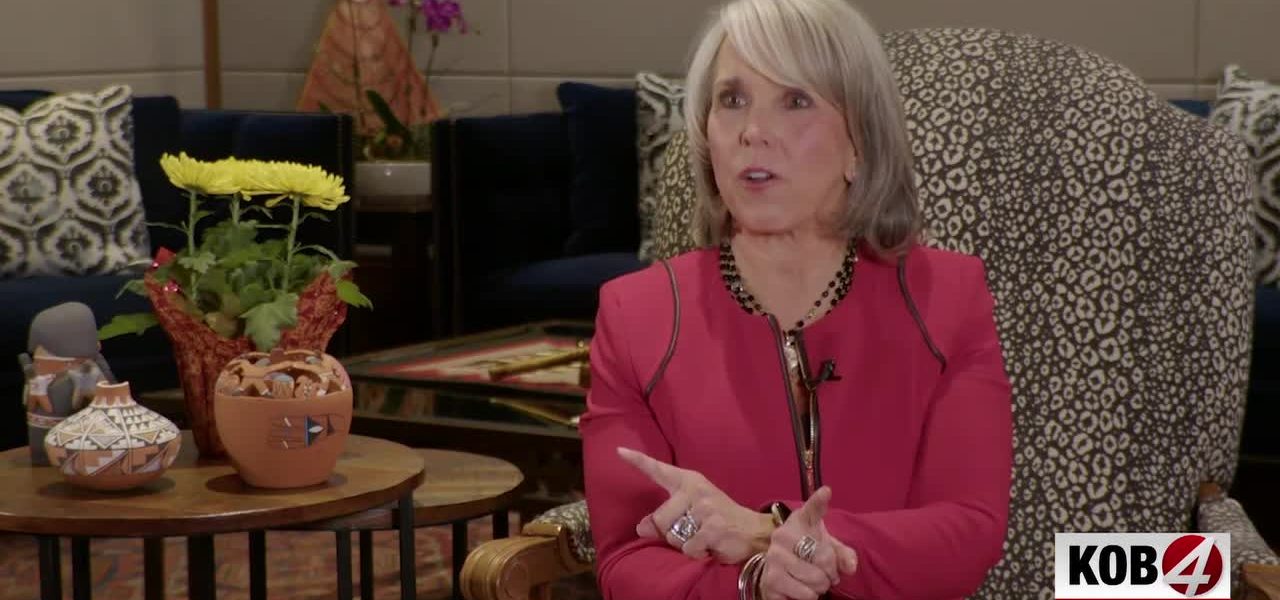
And that’s the rub, isn’t it? Governor Michelle Lujan Grisham rolled out her plan for a quick rebate, penning an op-ed in the Albuquerque Journal to articulate why now, amidst such plenty, New Mexicans deserve a slice of the pie—or perhaps, just a refill of the tank they can actually afford. “It’s no secret that New Mexico’s finances rise — and fall with oil prices,” she wrote. “And right now, prices are high. That’s good news for state coffers and it should be good news for New Mexicans, too.” A tidy piece of logic, certainly, but one that overlooks the actual cause of these elevated prices: geopolitical friction, notably a perceived “war in Iran” which has nudged crude past the psychologically significant $100 mark.
She pegs the direct cost to New Mexicans at around $450 in additional fuel expenses, citing a potential $1.30 hike per gallon. That’s not pocket change for families watching their budgets shrink like a wool sweater in a hot dryer. “That’s $450 in foregone groceries, stalled medical care and spent savings,” the Governor argued, painting a picture of hard choices for a nurse in Gallup or a family in Las Cruces contemplating a summer trip. But this windfall, for all its local benefit, stems from a very global insecurity—a situation that echoes far beyond the Land of Enchantment, impacting economies and livelihoods from Europe to the energy-dependent nations of South Asia, where soaring oil prices hit particularly hard, forcing painful subsidies or rationing decisions in places like Pakistan. Instability in one part of the world creates ripple effects, often directly hitting the pockets of the less fortunate, thousands of miles away. It’s the silent tax of global conflict.
The governor’s proposition isn’t entirely without precedent; rebates were issued in both 2022 and 2023 to help blunt the edges of inflation and climbing fuel costs. Those earlier handouts ran up a tab of approximately $700 million. This latest gesture, costing at least $250 million, would reach an estimated million taxpayers across the state. “When the state’s good fortune comes at a direct cost to the people who live here, the appropriate response is to share what we’ve collected,” Grisham declared. “We can afford it. it’s just plain good sense to reinvest in the hard-working New Mexicans who fuel this state’s economy.”
But the political waters, predictably, aren’t quite so calm. House Republican Leader Gail Armstrong offered a rather dry welcome to the $250 rebate. “a $250 rebate is welcome.” — one could almost hear the forced smile in her statement. She then swiftly pivoted to a classic Republican line of attack, questioning the timing and consistency of the governor’s altruism. “If New Mexicans deserve tax relief today, why didn’t the Governor push this proposal when families were paying even higher gas prices over the last several years?” Armstrong mused aloud, her tone dripping with suspicion. She didn’t hold back: “After years of record breaking state revenues, New Mexicans deserve to keep more of their own money every year. Instead, they continue to pay some of the highest taxes in the country while receiving some of the worst results. Families need permanent tax relief, not another one time rebate that conveniently arrives during campaign season.”
📄 POLICY WIRE WHITEPAPER PUBLISHED: PAKISTAN'S NATIONAL SECURITY POLICY PRIORITIES
👉 READ BY CLICKING HEREIt’s an age-old political dance: one-time sweeteners versus systemic reform. And New Mexico, by the by, isn’t some small player in this energy game; it’s the second-largest crude oil producer in the U.S., trailing only Texas, according to the U.S. Energy Information Administration. This positions the state uniquely—a direct beneficiary of the same global volatility that squeezes its own citizens.
What This Means
This rebate isn’t just about $250; it’s a telling snapshot of contemporary state politics. For Governor Lujan Grisham, it’s a shrewd political maneuver, offering tangible relief ahead of election cycles, while simultaneously asserting responsible stewardship of state funds derived from often-volatile global energy markets. But it’s also an admission of the state’s deep, almost inextricable, reliance on fossil fuel revenues, a dependency that generates both significant wealth and uncomfortable policy paradoxes. Because, let’s face it, cheering an oil windfall feels a tad dissonant when that windfall is predicated on international conflicts or strained supply chains that leave working families pinching pennies. For Republicans like Armstrong, this is low-hanging fruit for criticizing perceived fiscal irresponsibility and offering an alternative vision of consistent, broader tax cuts. They’re positioning themselves as champions of enduring financial relief, contrasting it with what they paint as temporary, politically expedient fixes. Ultimately, this dance over a few hundred dollars reveals the deeper currents flowing through state treasuries, national energy policy, and the stark reality of how events halfway across the world—say, debates over funds for an Iran conflict—directly translate to financial pressure, and political opportunity, right here at home.