

Beyond the Beautiful Game: How the World Cup Became a Geopolitical Spectacle on U.S. Soil
POLICY WIRE — Washington D.C. — It wasn’t the roar of the crowd that first caught seasoned observers off guard; it was the sheer, audacious volume of the spending. Weeks before a single whistle...

POLICY WIRE — Washington D.C. — It wasn’t the roar of the crowd that first caught seasoned observers off guard; it was the sheer, audacious volume of the spending. Weeks before a single whistle blew, U.S. hotels near tournament venues were reporting near-record bookings, ticket scalpers were practically naming their price, and concessionaires were dusting off inventories as if prepping for a minor apocalypse of appetite. Many had scoffed at the notion of America, the land of baseball and gridiron, truly embracing the ‘beautiful game’ on such a grand scale. They’ve been proven spectacularly, almost embarrassingly, wrong.
The skepticism was understandable. For decades, soccer — or ‘football,’ as the rest of the planet knows it — languished on the fringes of America’s sporting consciousness. But this World Cup, played across North American fields, has revealed not a burgeoning passion for a foreign sport, but something far more profound: a demographic earthquake shifting the tectonic plates of American identity. And frankly, it’s about time some folks paid attention.
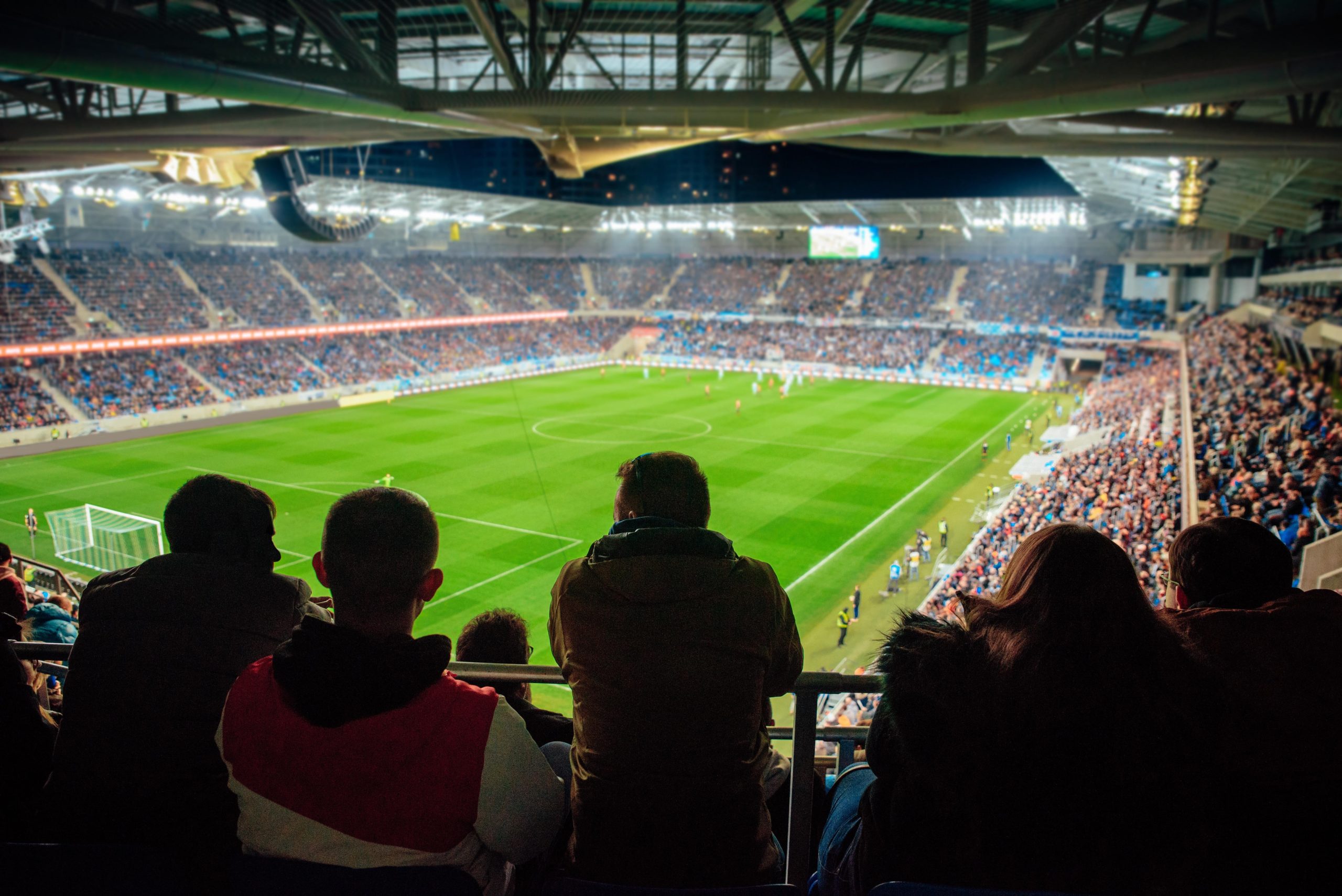
Walk through any major host city, — and you don’t just see flags; you see a living, breathing map of the world. Kids with English jerseys high-five elders draped in Senegalese colors. Families share tacos while cheering for Mexico, then turn to scream for Portugal moments later. This isn’t just about immigration; it’s about a fully globalized society where ancestral ties aren’t forgotten but celebrated, especially on a stage this big. The energy isn’t manufactured; it’s organic. And it’s contagious.
“We’ve seen incredible, passionate fan bases emerge, often surprising those who only considered traditional American demographics,” stated Lee Satterfield, U.S. Assistant Secretary for Educational — and Cultural Affairs, in a recent Policy Wire interview. “This isn’t just good for FIFA; it’s an undeniable affirmation of America’s multifaceted identity and its place in the global village. This event showcases our true colors—all of them.” She’s got a point. You can’t argue with what your eyes are seeing.
The economic footprint, too, is eye-watering. FIFA reports preliminary projections indicating the economic impact across host cities is poised to exceed $6 billion, a 20% jump from initial conservative estimates made just last year. That’s real money flowing into local economies, bolstering everything from hotels and restaurants to taxi services and street vendors. But it’s not just dollars and cents. It’s the subtle art of soft power, writ large on giant stadium screens.
Take the considerable South Asian — and Muslim world presence, for instance. Communities in cities like New York, Houston, or Los Angeles, with deep roots tracing back to countries like Pakistan, India, Bangladesh, or Egypt, don’t just passively observe. They organize massive viewing parties, adorn their homes and businesses with national team regalia – even for nations thousands of miles away – and inject a vibrancy that’s distinctly American, yet profoundly global. They’re buying into the spectacle, big time. It’s not uncommon to see someone with a Pakistani heritage fervently backing Saudi Arabia, or cheering for Morocco, celebrating not just football but a shared cultural and religious identity that transcends immediate nationality.
“This World Cup reminds us that sport isn’t just competition; it’s conversation,” said FIFA President Gianni Infantino, speaking remotely to reporters from Zurich. “It breaks down walls, fosters understanding, and proves that our differences, on the pitch and off it, make the whole world a more interesting place. The enthusiasm from American soil? It speaks for itself, loud — and clear.” And for once, you can almost believe the corporate platitudes. The crowds *are* talking.
What This Means
The astonishing turnout for the World Cup isn’t merely a testament to the sport’s global reach; it’s a stark mirror reflecting deeper societal currents within the United States. Politically, this enthusiasm provides potent soft power currency. A successful, vibrant World Cup—showcasing diverse, engaged populations—projects an image of an open, multicultural America, a subtle but effective counter-narrative to internal divisions or external criticisms. It presents an opportunity for global engagement — and cultural diplomacy that few other events can match. This sort of event has profound, though often overlooked, diplomatic ripple effects; one might even consider how cultural exchanges pave pathways that more formal talks often struggle to clear.
Economically, beyond the immediate financial injections into host cities, the event could signal a sustained shift in leisure and entertainment consumption. If a significant portion of these new, engaged fan bases retain even a fraction of their current fervor, it could dramatically alter investment in American soccer infrastructure, broadcasting rights, and associated merchandising—creating a long-term growth trajectory in a previously underdeveloped market. But it’s also a stark reminder that identity politics in America now stretch beyond domestic borders, influencing everything from consumer markets to electoral demographics, shaped by a population that carries the world’s hopes and dreams on its shoulders, one cheering section at a time. The ‘melting pot’ wasn’t discarded; it just learned how to kick a ball.