
Minsk’s Precarious Pivot: Lukashenko’s High-Wire Act Between Autocrats
POLICY WIRE — Minsk, Belarus — It isn’t the Kremlin’s usual polished mahogany halls where Alexander Lukashenko—Europe’s last self-styled dictator, by many accounts—often finds his...

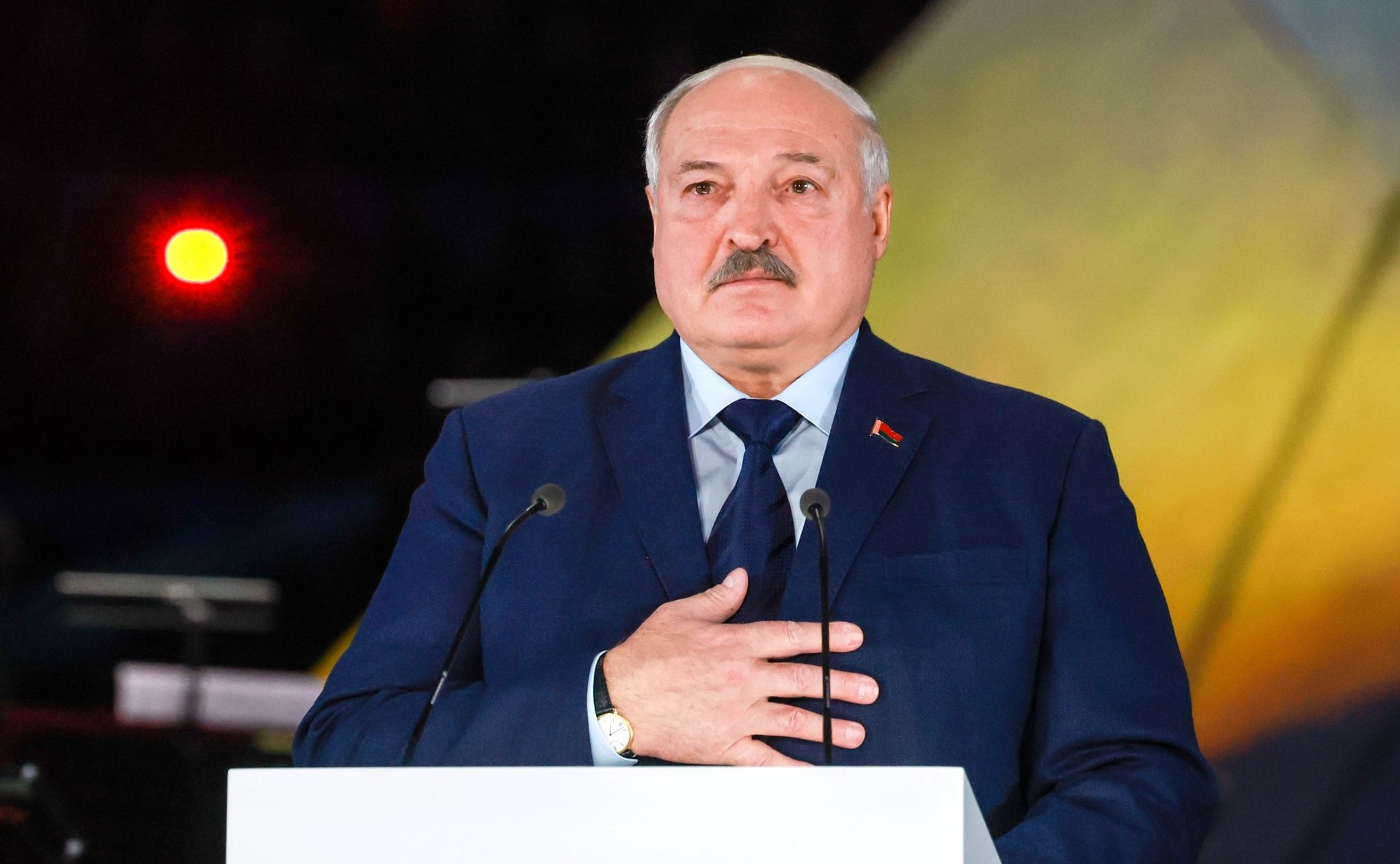
POLICY WIRE — Minsk, Belarus — It isn’t the Kremlin’s usual polished mahogany halls where Alexander Lukashenko—Europe’s last self-styled dictator, by many accounts—often finds his truest comfort. No, his recent flurry of visits to Moscow, then Beijing, aren’t just polite diplomatic niceties. They’re raw, undeniable nods to a precarious truth: the strongman of Minsk isn’t really pulling his own strings much these days. He’s operating on a razor’s edge, calibrating allegiances in a bid for economic survival and continued political relevance, while the ghosts of tanks rumble not too far from his border.
See, for all the bravado, Lukashenko’s Belarus has become a poster child for what happens when a nation’s sovereignty gets whittled down by necessity, or, well, sheer geopolitical misfortune. The invasion of Ukraine? That cemented Minsk’s role as little more than a convenient staging ground, a subordinate—sometimes begrudgingly so—partner in Moscow’s broader objectives. His latest peregrinations across the Eurasian landmass, then, tell a story not of power consolidation, but of dependency. Big Brother Putin beckons. China offers a lifeline, albeit one with subtle, binding conditions attached.
“We’ve always known where our true friends are,” Lukashenko recently quipped during a state media address, likely referring to both Moscow and Beijing. But he didn’t quite mention the price tag for such friendships, did he? Economically, Belarus is lashed to Russia. According to data compiled by the Eurasian Economic Commission, trade with Russia alone accounted for approximately 49.2% of Belarus’s total foreign trade turnover in 2022. That’s a lot of eggs in one basket. Any real independent pivot away just isn’t happening. Can’t happen.
His meetings in Beijing? They’re about diversification, a desperate effort to siphon off a little cash, perhaps some infrastructure projects, that won’t necessarily come wrapped in Russian state-sponsored loans. Think of China’s Belt and Road Initiative, that sprawling global project; it’s Beijing’s calling card, often deployed to cement economic ties and, by extension, political influence in nations seeking alternatives to Western financing—a scenario quite familiar to countries like Pakistan, grappling with its own debt and balancing act between great powers. For nations stretching from Central Asia to the Maghreb, China offers a specific kind of engagement that promises development without the nagging lectures on human rights. And Lukashenko’s government needs that specific kind of engagement, pronto.
“Our nations share a common vision for a multipolar world,” stated Chinese Foreign Minister Wang Yi following Lukashenko’s visit, offering Beijing’s customary, somewhat generic, diplomatic language. But behind those words, a sharper message resonates: ‘We’ll engage, but on our terms, and in alignment with our larger strategy.’ Belarus, frankly, doesn’t have many other options.
Because the Western door? It’s been slammed shut. Sanctions have bitten, hard. Lukashenko’s brutal crackdown on dissent following the 2020 elections alienated most of Europe and North America, leaving him without many genuine allies on his immediate borders. And that, really, is the core of his dilemma. He talks a big game, constantly, about his nation’s independence—its ability to choose its own path. Yet, every action he takes, every official handshake, simply reveals a leader increasingly boxed in. It’s an unenviable position, but then, he largely made his own bed. What was he thinking?
What This Means
This elaborate diplomatic show isn’t just about Belarus’s short-term survival; it’s a telling symptom of a deepening geopolitical rift. Lukashenko’s reliance on Moscow—and increasingly, on Beijing—has serious implications for regional stability, especially given Belarus’s geographic position bordering Ukraine. It solidifies a perceived axis of authoritarian states, pushing back against Western liberal democratic norms and institutions. Economically, Belarus remains beholden to Russian energy subsidies and credit, making any genuine deviation from Kremlin foreign policy almost impossible. The protracted conflict in Ukraine only heightens the stakes, ensuring Belarus remains a de facto Russian outpost.
China’s calibrated engagement demonstrates its long-game strategy for global influence, using economic outreach to bolster a network of aligned states. For countries like Belarus, caught between East and West, this means diminished room for independent action and increased exposure to the domestic policy preferences of their powerful benefactors. The world stage, then, becomes less about nation-states charting their own course and more about strategic dependencies, with Minsk serving as a sobering illustration of sovereignty’s conditional nature in a shifting global order. It isn’t pretty. Nor is it going to change soon. The dance continues, however uncomfortable for those forced to watch, or even, to participate in.