

Aftershocks of Neglect: Venezuelan Quakes Expose Deeper Rifts
POLICY WIRE — Caracas, Venezuela — It wasn’t the ground’s violent lurch that first signaled disaster’s true scale to the world; it was the eerie, pregnant pause before anything...

POLICY WIRE — Caracas, Venezuela — It wasn’t the ground’s violent lurch that first signaled disaster’s true scale to the world; it was the eerie, pregnant pause before anything resembling official, coherent reports filtered out. For a nation already in various states of fracture—economic, political, societal—these recent, catastrophic earthquakes, which claimed over 1,450 lives, simply peeled back another layer of an agonizing struggle. We’re not just talking about collapsed concrete here; we’re talking about a nation’s ability to cope, its international standing, and the very real human cost of years of decline now laid bare for everyone who’s paying attention.
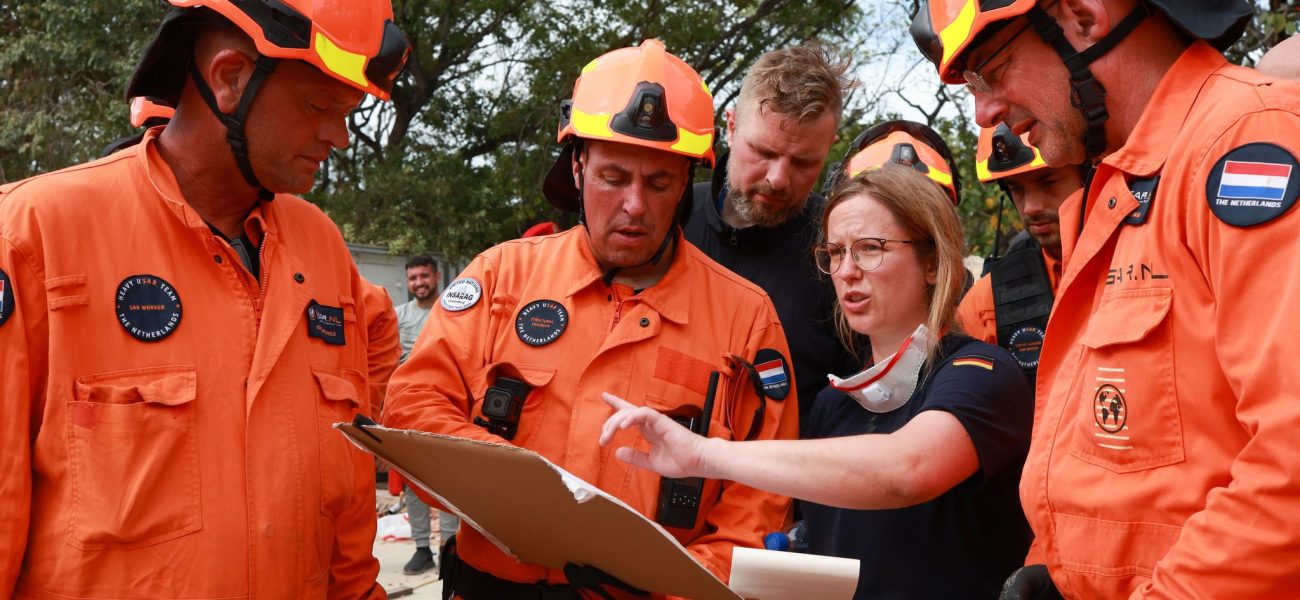
Emergency crews, whatever meager resources they could muster, clawed at the mountains of twisted rebar and shattered masonry, hoping for survivors. But this isn’t some well-oiled machine of disaster response. Oh no. This is Venezuela. It’s a country where sanctions bite hard, where institutions have eroded, and where—let’s be honest—infrastructure often felt like it was held together with little more than optimism and old paint before a fault line even thought about rumbling.
“We’re confronting this natural disaster with the unwavering resolve of our people and the full commitment of our Bolivarian government,” declared Minister of Interior and Justice, Nestor Reverol, in a terse, nationally televised address. “Any attempts to politicize this tragedy will be met with the same resistance as the tremors themselves. We don’t need charity; we need solidarity.” He said it with that familiar steely gaze, but you could almost hear the unsaid ‘And don’t you dare come in here and tell us how to fix our own mess.’
Because, make no mistake, even before the ground gave way, basic services were a daily dice roll for millions of Venezuelans. Water, electricity, functioning hospitals—they’re privileges, not guarantees. This catastrophe, it’s just ripped away the last scraps of that illusion. It’s a mirror reflecting not just the damage from a seismic event, but the deeper, more systemic damage from years of neglect and international isolation. United Nations data suggests that over 80% of Venezuela’s public infrastructure hasn’t seen substantial maintenance or upgrade in two decades—a staggering figure that turns an earthquake from a natural hazard into a near-apocalyptic inevitability for some communities.
“Our primary concern is reaching those who are trapped, the children who’ve lost everything, regardless of political affiliation,” stated Melanie Finch, Regional Coordinator for Emergency Relief with Doctors Without Borders, her voice a clipped contrast to Reverol’s. She didn’t mince words about the logistical hurdles. “Access has been…complicated. Getting supplies, personnel—it’s not what you’d call a straightforward operation in the best of times. And these aren’t the best of times, are they?” Indeed, they aren’t. Her understated exasperation says it all.
📄 POLICY WIRE WHITEPAPER PUBLISHED: PAKISTAN'S NATIONAL SECURITY POLICY PRIORITIES
👉 READ BY CLICKING HEREThis Venezuelan catastrophe isn’t unique in its severity—the Muslim world, for example, has seen its share of monumental quakes, from the devastating Balochistan temblor in Pakistan to recent quakes in Turkey, often exposing similar fault lines in preparedness and global response equity. But Venezuela’s situation—the tight political reins, the sanctions, the government’s inherent suspicion of foreign intervention—that stuff adds layers of complexity, layers that directly impede aid efforts. You can’t just airlift supplies in like it’s a forgotten province; there’s always a negotiation, always a wary look, always the feeling of walking on eggshells even as people are literally buried beneath them.
What This Means
The geopolitical tremors from this disaster will resonate for months, possibly years. Economically, this pushes an already struggling nation even deeper into the mire. Rebuilding requires resources, vast sums, that Venezuela simply doesn’t possess on its own. And the international community, already wary, faces a tricky tightrope act: How do you provide humanitarian aid without implicitly bolstering a regime many deem illegitimate? But you can’t just let people perish, can you? It’s a cruel catch-22, — and the casualties here are innocent civilians. Politically, the Maduro government, already fragile, might double down on its isolationist rhetoric, framing foreign aid as paternalistic or worse. Or, perhaps, just maybe, it might be forced to open the door, even a crack, to more robust international collaboration out of sheer, overwhelming necessity. For now, however, it’s a tragic spotlight on how a nation’s existing fractures only deepen when the earth decides to remind everyone who’s really in charge.