
The Quiet Force Reshaping Asia’s Green Agenda From Beijing’s Boardroom
POLICY WIRE — Singapore City, Singapore — Long after the grand pronouncements of global climate summits fade, the real work of green transition – the kind that demands staggering capital and even...

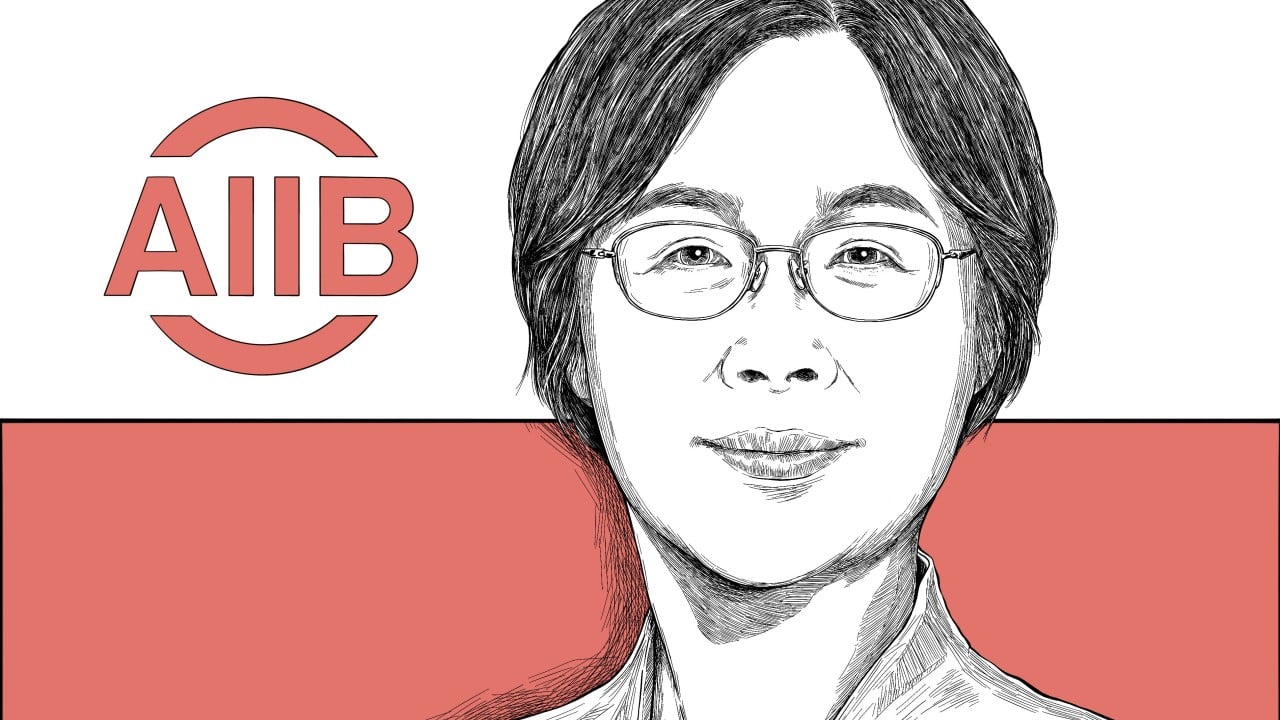
POLICY WIRE — Singapore City, Singapore — Long after the grand pronouncements of global climate summits fade, the real work of green transition – the kind that demands staggering capital and even greater political will – often falls to less celebrated institutions. It’s not the flashing cameras or the fiery speeches that build wind farms or integrate solar grids; it’s the quiet calculus performed within a multilateral development bank like the Asian Infrastructure Investment Bank (AIIB). And right now, a seasoned hand is guiding that ledger: Zou Jiayi, a bureaucrat of considerable clout and precise purpose, sitting at the helm of an institution with immense regional ambitions.
Her name might not spark immediate recognition in every corner of global finance, but it carries weight where it counts—especially from Beijing to Islamabad. Ms. Zou is president and chairwoman of the board of directors of the Asian Infrastructure Investment Bank (AIIB). She’s navigating a landscape fraught with urgent climate demands — and the intricate geopolitics of an ascendant China. Her path to this post wasn’t an accidental stumble; it’s the culmination of a three-decade ascent through the echelons of Chinese economic policy-making. [QUOTE_PLACEHOLDER]
Before stepping into her current role, Zou was deputy secretary general of the national committee of the Chinese People’s Political Consultative Conference, China’s top political advisory body. Imagine the kind of connections — and strategic understanding one gleans from such a position. This isn’t just about managing budgets; it’s about translating state policy into tangible projects. She previously held senior roles at the Ministry of Finance, including as vice-minister, positions that require a deft touch with both domestic priorities and international fiscal relations.
But the narrative around AIIB isn’t solely about its leadership or its strategic location, headquartered in Beijing and inaugurated in 2016. It’s about the staggering demand for infrastructure across Asia—green or otherwise—and the delicate dance required to fund it without racking up unsustainable debt or running afoul of regional rivalries. Many nations, from Pakistan struggling with its energy deficit to burgeoning economies like Bangladesh, eye institutions like the AIIB with a mix of hope and apprehension. They need the capital, no doubt. They need the expertise to modernize their grids — and shift away from carbon-intensive power. And that’s where AIIB slots in, presenting itself as a neutral arbiter, a multilateral lender, albeit one with a distinct gravitational pull toward its primary shareholder.
Asia’s energy transformation requires colossal sums. Some estimates suggest the region needs upwards of $1.7 trillion annually in infrastructure investment, a significant portion of which must be channeled towards sustainable solutions to meet global climate targets. For a comparative glance, a 2021 report from the Asian Development Bank noted a gap of about $26 trillion for infrastructure across Asia-Pacific until 2030, a figure that’s surely only grown since. This isn’t just numbers on a page; it’s about lifelines for billions, the prospect of cleaner air, reliable power, and resilience against increasingly unpredictable weather patterns. It’s also about a diplomatic chess match, with Beijing keenly aware of the soft power currency wielded through infrastructure development.
Because AIIB positions itself as a multilateral development lender, it ostensibly operates on international best practices. But don’t mistake its operational formalities for an absence of strategic direction. It’s implicitly, if not explicitly, an extension of China’s economic diplomacy, complementing the Belt and Road Initiative in some key geographies—especially those that include Pakistan and other countries across the broader Muslim world, a region starving for reliable energy infrastructure and facing intense environmental pressures. Their choices, — and how they secure financing, will dictate their developmental trajectories for decades to come.
Ms. Zou, with her extensive background in Chinese fiscal policy, is uniquely positioned to ensure AIIB’s efforts align with its stated green mandate, while also perhaps—let’s be frank—advancing broader Chinese foreign policy interests. This isn’t necessarily sinister; it’s statecraft. It’s how large powers operate, by creating institutions that reflect their vision for global order. Her expertise, refined over three decades of high-stakes governmental roles, implies a sophisticated understanding of how capital flows can shape political outcomes and drive economic shifts.
What This Means
This isn’t merely about some bank funding some projects. What we’re witnessing is the strategic re-calibration of global financial architecture. AIIB, under Zou Jiayi’s leadership, is not just a lender; it’s a standard-setter, challenging established Western-led financial institutions with its agility and focus on specific, high-growth, high-need areas. Her long history at China’s Ministry of Finance means she knows exactly how Beijing thinks about state capital deployment and leverage. It means a pragmatism born of navigating immense bureaucracy — and making actual deals happen. The political implication? It solidifies China’s role as a major, if not the pre-eminent, financial player in Asia’s green evolution. For countries like Pakistan, the availability of a dedicated lender focused on green energy is a double-edged sword: a pathway to crucial investment but also, potentially, a deeper entanglement in a Beijing-centric economic orbit. The economic ripple effects will be massive, transforming everything from energy markets to regional supply chains. They’re making the future, one green infrastructure bond at a time, — and they’re doing it from Beijing’s boardroom.