Aftershocks of Neglect: Venezuelan Quakes Unmask a Nation’s Fractured Core
POLICY WIRE — Caracas, Venezuela — The ground shifted, as it tends to do on Earth, but in Venezuela, the latest convulsion has done more than just pulverize infrastructure. It’s ripped wide...

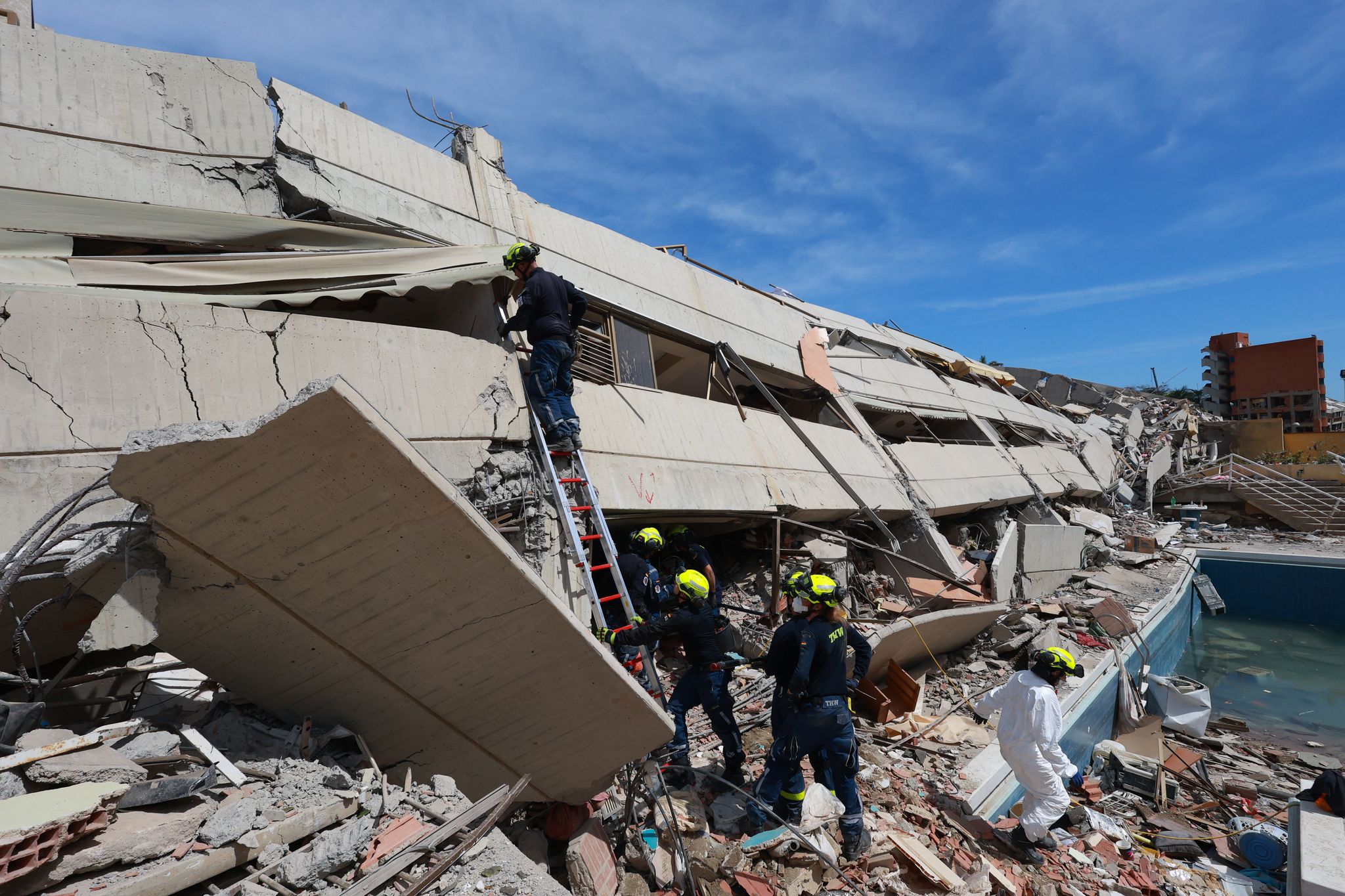
POLICY WIRE — Caracas, Venezuela — The ground shifted, as it tends to do on Earth, but in Venezuela, the latest convulsion has done more than just pulverize infrastructure. It’s ripped wide open the fragile façade of a nation already gasping for air. Nearly 1,450 souls are confirmed lost, their numbers climbing hourly as search teams – ill-equipped and desperate – claw through mountains of rubble that were once homes, schools, markets.
But the real tremor here, some would argue, isn’t geological. It’s the catastrophic echo of years, decades even, of institutional neglect, political gridlock, and an economy running on fumes. This isn’t merely a natural disaster; it’s a profound, excruciating expose of a society that couldn’t withstand a stiff breeze, let alone a series of devastating seismic events.
Caracas, never a stranger to Earth’s unpredictable moods, finds its existing crises—hyperinflation, food scarcity, and a chronic lack of basic services—magnified tenfold. Survivors, already facing dire living conditions, now contend with shattered cities and the stark, chilling reality that relief is either painfully slow or simply isn’t coming. They’re left with their dead, their ruined belongings, and an exasperating sense that their government, under President Nicolás Maduro, just isn’t up to the task.
President Maduro, ever the orator, quickly took to state television, painting a picture of resilient solidarity. “They seek to weaponize even the Earth’s tremors against our revolution, but Venezuela stands firm,” he declared, his voice tight with characteristic defiance. “We will rebuild, with or without their false empathy, our socialist motherland stronger than ever.” It’s a familiar refrain, one that usually precedes a quiet sidestepping of responsibility, blaming external pressures for every domestic woe. And sometimes, you just wish the messaging matched the mayhem on the ground.
But not everyone’s buying the nationalist narrative. From a precarious perch abroad, opposition leader Juan Guaidó didn’t mince words. “This isn’t just an earthquake; it’s the shaking foundations of a regime unable to protect its own people,” he countered in a broadcast that likely struggled to reach many Venezuelans. “The aid, the leadership—it’s all tragically missing. Our country needs genuine help, not another propaganda stunt.” His frustration? You could cut it with a dull knife. And he’s got a point. Even the most benevolent, well-intentioned governments would struggle with a disaster of this scale; Caracas simply doesn’t have the infrastructure or the credibility to mount an effective, widespread response.
Because the nation’s financial woes make international appeals a complex tightrope walk. International bodies are wary of direct aid to a government under heavy sanctions, fearing diversion. So, how do you get desperately needed help to those who’ve lost everything, bypassing a regime seen as a global pariah? It’s a humanitarian puzzle with no easy answers, especially when trust is in such short supply.
And these complications echo globally. You see similar quagmires in regions grappling with weak governance — and systemic corruption. Just look at the aftermath of the Kashmir earthquake in 2005, or more recently, the devastating floods in Pakistan. Aid often becomes a geopolitical football, not just a matter of urgent delivery. This is a common story in the developing world: natural forces collaborating, it seems, with human incompetence to unleash maximum misery.
According to the United Nations Office for the Coordination of Humanitarian Affairs (OCHA), emergency relief efforts globally face a persistent funding gap, with an average of only 57% of requested funds materialized in 2023. For Venezuela, that percentage is likely even grimmer, choked by diplomatic icebergs.
So, the question isn’t just about how many homes fell, but about the fragile threads holding Venezuelan society together. And after these tremors, there might not be many left.
What This Means
The latest earthquakes won’t just register on seismographs; they’ll send reverberations through Venezuela’s already fractured political landscape. Politically, President Maduro faces renewed—and largely justified—criticism for his government’s perceived inaction and systemic inefficiencies. His ability to rally international support for reconstruction efforts is severely hampered by existing sanctions and a frosty diplomatic environment, forcing him into a narrative of self-reliance that might be more wishful thinking than strategy.
But here’s the kicker: the opposition also struggles to capitalize fully. Without a consolidated front or genuine control over aid distribution channels, their pleas for international intervention often sound like cries into the wind, further showcasing the country’s profound political polarization. Don’t underestimate how this solidifies Maduro’s core support too, particularly those who truly believe external forces are orchestrating every setback.
Economically, this is another nail in an already well-sealed coffin. Rebuilding costs, estimated to run into the billions, are simply unfeasible for a country where the economy has contracted by an astounding 75% since 2014. Venezuela’s critical oil infrastructure, already limping, could be further compromised if the quake affected extraction or processing facilities, though early reports focus on urban areas. The immediate impact will be felt in surging inflation—if that’s even possible—and further mass internal displacement, putting an unimaginable strain on whatever social safety nets remain. It’s a cycle of destruction and despair that feels almost custom-designed to perpetuate misery, especially for those with the least.