


Caracas Rattled: Earth’s Tremors Expose Fragile Political Fault Lines
POLICY WIRE — Caracas, Venezuela — It wasn’t the rumbling of discontent from a populace long accustomed to scarcity and political maneuvering that recently shook Venezuela. No, it was the Earth...

POLICY WIRE — Caracas, Venezuela — It wasn’t the rumbling of discontent from a populace long accustomed to scarcity and political maneuvering that recently shook Venezuela. No, it was the Earth itself, a brusque reminder that even geology—impartial as it’s—seems to favor the dramatic where instability already brews. But don’t mistake seismic activity for mere natural disaster; in a nation like Venezuela, every tremor echoes across political landscapes, magnifying fault lines that have nothing to do with continental plates. This isn’t just about rocks shifting; it’s about the ground giving way beneath a government already on thin ice, economically speaking.
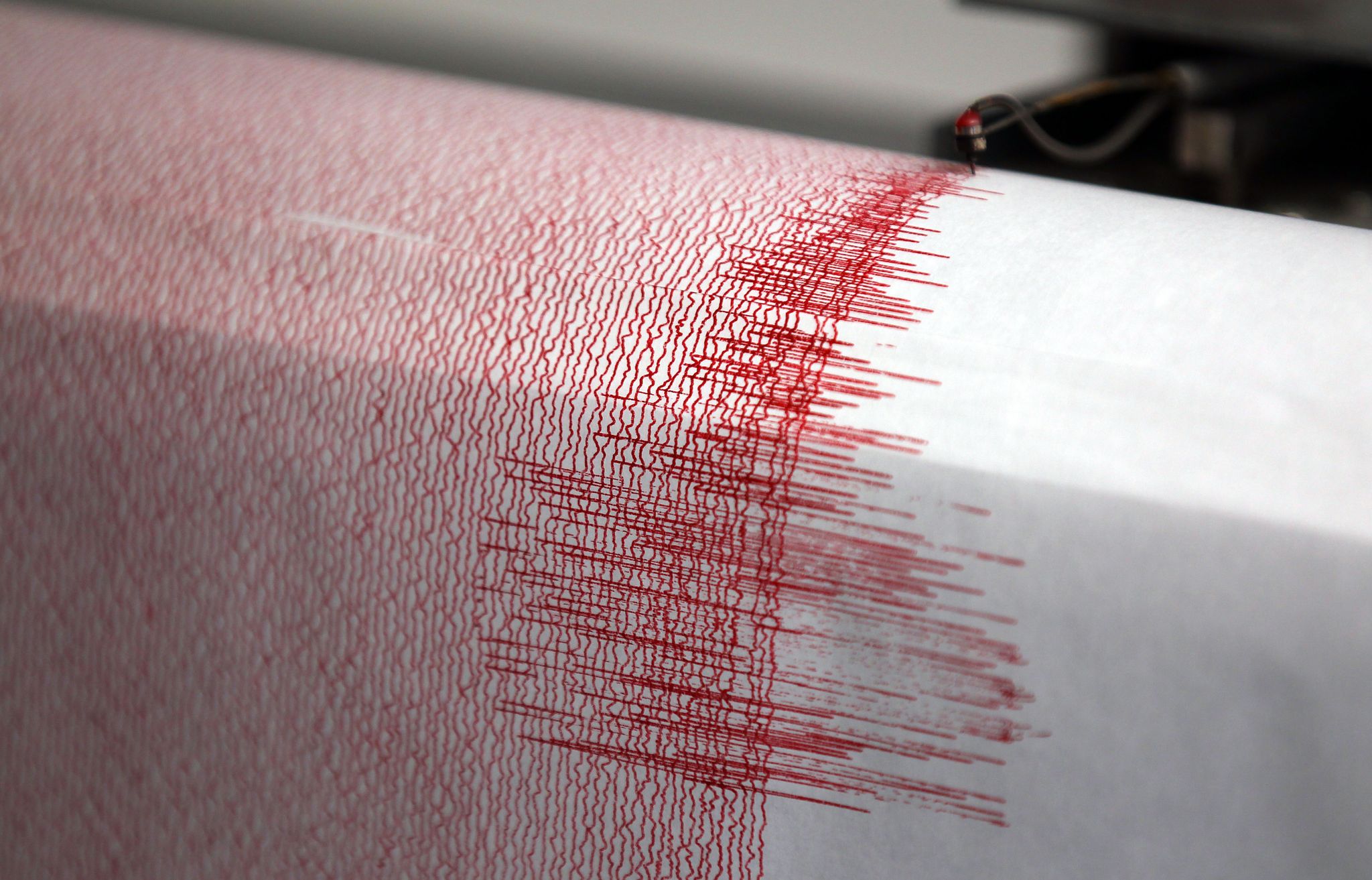
Because let’s face it, when a magnitude 7.5 earthquake hits—followed by a significant 7.2 aftershock, not long after—the sheer physical event becomes just another layer in an already complex, deeply fraught national narrative. People weren’t just fleeing crumbling structures; they were contemplating how their already stretched government could possibly manage recovery efforts. The country’s infrastructure, largely underfunded — and poorly maintained, suddenly faces a litmus test no one wanted. You can’t expect modern resilience from decaying systems, can you? It’s just not how physics works, or governance, for that matter. The timing—if the planet has a sense of irony—couldn’t be worse for a country grappling with a multifaceted crisis. [QUOTE_PLACEHOLDER]
Official reports were—well, they were minimal, weren’t they? Details on structural damage, injuries, or displacements didn’t exactly pour forth. Instead, there’s been a stoic silence, which often speaks volumes about the capacity for transparent and rapid response. And this isn’t an isolated incident for Latin America; the region sits on some lively seismic zones, constantly reminding its inhabitants of nature’s formidable power. But in Venezuela, a lack of detailed communication creates a vacuum, one typically filled by rumor — and apprehension. It’s an information economy, — and when the official channels go quiet, speculation thrives.
One has to wonder how Caracas views offers of international assistance. Are they welcomed as genuine aid, or eyed with suspicion, especially from those nations perceived as ideological adversaries? That’s the political chess match that plays out even amidst genuine human need. Countries with a robust capacity for disaster relief—even those with questionable human rights records, mind you—often use such opportunities to flex soft power, to project an image of benevolent global player. Venezuela, however, tends to play its own hand very close to the vest, sometimes to its own detriment. Just think about nations like Pakistan, which sits on its own restless geological faults. Islamabad has faced its share of seismic horrors, learning hard lessons about national preparedness, international coordination, and the brutal reality that foreign assistance often comes with unspoken strings, or at least, significant public relations leverage for the donor.
Indeed, a magnitude 7.5 quake releases energy equivalent to about 32 megatons of TNT. According to the U.S. Geological Survey (USGS), over 100 earthquakes of magnitude 7.0 or higher occur globally each year. While the tremors haven’t necessarily collapsed government buildings—or not yet, anyway—they’ve surely widened cracks in the facade of state control. The psychological impact on an already stressed populace can’t be overstated. Imagine enduring daily privations, a hyperinflationary spiral, and then the very ground beneath your feet decides to go rogue. It’s enough to make even the most resolute individual feel completely adrift, like the country itself. But Venezuelans, they’re nothing if not resilient; they’ve weathered worse storms, political ones anyway. And maybe that’s their secret weapon, that hard-won, cynical endurance.
The global community often looks to nations like Turkey or Indonesia—Muslim-majority countries also prone to intense seismic activity—for models of disaster response, both in terms of internal coordination and external outreach. These nations have, by necessity, developed sophisticated emergency management systems, often relying on both domestic expertise and multilateral partnerships. Venezuela, however, appears somewhat more insular in its approach, perhaps constrained by its particular geopolitical stance and an understandable, if at times counterproductive, pride. They don’t typically rush to open the doors, do they?
What This Means
The earthquakes, beyond their immediate physical destruction—the full extent of which remains maddeningly opaque—are a political earthquake unto themselves. They’ll almost certainly divert what little state resources remain towards immediate disaster relief, potentially at the expense of other critical public services or long-term infrastructure projects. It’s a zero-sum game when your treasury’s already bare. The international perception of Caracas, already marred by accusations of authoritarianism and humanitarian abuses, isn’t likely to improve with slow or inadequate response. Countries are watching, you can bet on it.
Economically, any disruption to Venezuela’s oil production—still its main, albeit deeply troubled, revenue stream—would be catastrophic. Even minor damage to pipelines, refineries, or export facilities would hammer an economy already teetering on the brink of complete collapse. And let’s be honest, the government simply doesn’t have the cash reserves to launch a swift, comprehensive rebuilding effort without significant outside help. That reality means they might have to swallow a bit of pride, might have to reach out to entities they usually wouldn’t. This seismic event could, paradoxically, force an uncomfortable diplomatic realignment or at least a temporary thawing with some of its critics, especially if offers of technical aid prove irresistible. But it’s more likely to deepen the country’s humanitarian crisis and amplify the chronic issues it was facing long before the Earth decided to weigh in.