
Paris’s Fading Mirage: Burkina Faso Snaps Colonial Threads
POLICY WIRE — Washington D.C. — For a nation that prides itself on universal values and a certain Francophonie charm, the quiet unraveling in Ouagadougou probably feels less like a surprise and more...

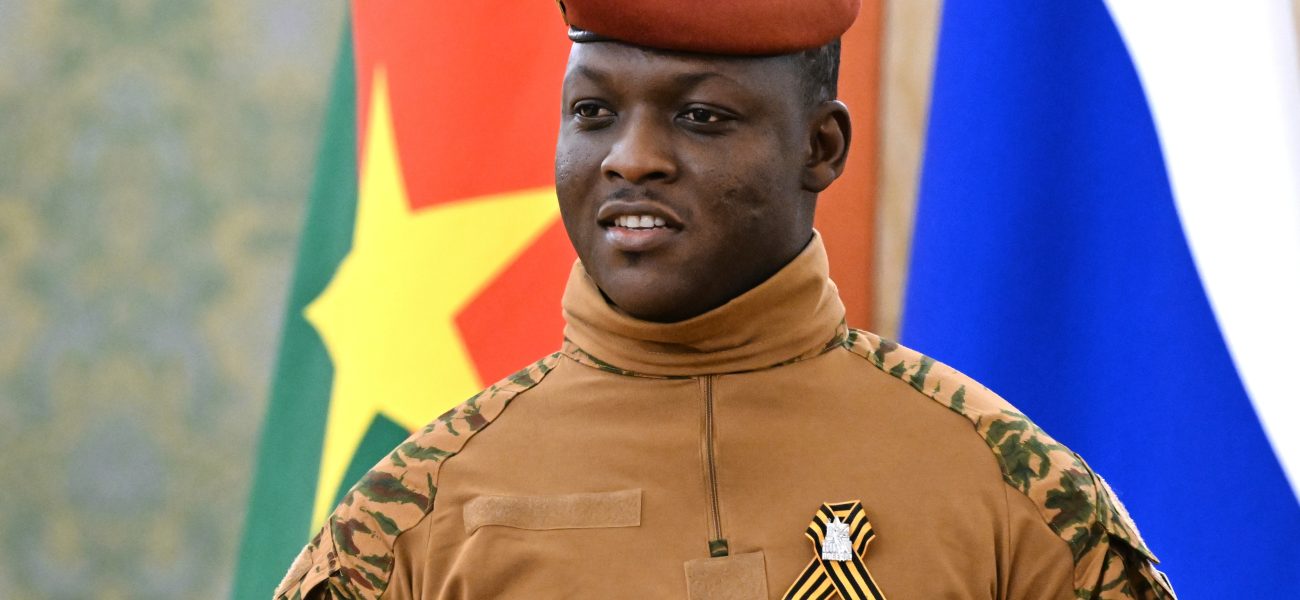
POLICY WIRE — Washington D.C. — For a nation that prides itself on universal values and a certain Francophonie charm, the quiet unraveling in Ouagadougou probably feels less like a surprise and more like an indignity. Burkina Faso isn’t just saying farewell to an ambassador; it’s tossing out a century of tangled history, severing diplomatic cords with France, once the preeminent power in a swathe of West Africa. It’s a messy breakup, full of historical baggage — and very public grievances.
No, this isn’t some quaint spat over trade tariffs. We’re talking about the complete cessation of diplomatic relations—a dramatic declaration for a landlocked nation struggling with rampant insecurity. This move follows a protracted period of rising anti-French sentiment, often fanned by younger, more assertive military regimes—what one might call a new generation allergic to the scent of lingering colonial perfume. The current authorities in Burkina Faso have effectively told Paris that its past benevolence, or what was perceived as such, no longer buys automatic loyalty.
It’s an aggressive pivot, certainly, from a government born of coup after coup. But it also marks an accelerant in a wider, slow-burning fire across the Sahel region, where erstwhile colonial powers are seeing their influence ebb away. Just last year, roughly 1,500 French troops withdrew from Burkina Faso, a decision not entirely voluntary, after months of pressure. Then the French cultural institute shuttered its doors. One might argue Paris should’ve seen this coming—the breadcrumbs of resentment have been scattered generously across the dust of the region for years. [QUOTE_PLACEHOLDER] Burkina Faso’s junta made its wishes rather explicit, demanding Paris recall its diplomatic envoy and personnel. This wasn’t a suggestion; it was an order, relayed with an abruptness that leaves little room for Gallic ambiguity. This leaves an entire embassy essentially defunct.
But how do these things happen? It’s rarely one catastrophic event. It’s an accumulation of slights, unmet expectations, and a deepening conviction among segments of the populace that former patrons haven’t delivered on promises—particularly concerning security. Islamist insurgencies, for instance, have decimated large parts of the Sahel, leaving populations vulnerable despite significant French military intervention. This narrative—that Western partners have failed—has gained immense traction, opening doors for new players, new allegiances. And we’re seeing them rush right in.
What’s particularly notable is the almost universal silence from traditional Western blocs about these increasingly bold acts of political defiance. There’s a distinct lack of outrage, or even much concern, beyond diplomatic platitudes. It’s almost as if the international community has collectively shrugged, recognizing that some battles just aren’t worth fighting anymore, or perhaps, aren’t winnable by traditional means. Burkina Faso’s decision, therefore, doesn’t exist in a vacuum; it echoes a louder chorus across parts of Africa and the broader developing world—a demand for true sovereignty, unfettered by historical obligations or economic dependence.
The echoes reverberate beyond immediate geographic confines. Consider nations across South Asia or the Muslim world; they, too, frequently find themselves navigating complex power dynamics, weighing the utility of inherited alliances against burgeoning alternatives. Pakistan, for instance, continuously recalibrates its foreign policy, balancing historical ties with the West against deepening engagement with China and a renewed focus on regional integration. [QUOTE_PLACEHOLDER] The fundamental driver—the pursuit of national interest, security, and economic opportunity, often with a robust dose of national pride—is essentially identical. Burkina Faso is simply executing its version with less diplomatic niceties. It’s not unlike how Saudi Arabia or Turkey, once considered staunchly aligned with Western interests, are now playing a far more independent, often transactional, geopolitical game.
📄 POLICY WIRE WHITEPAPER PUBLISHED: PAKISTAN'S NATIONAL SECURITY POLICY PRIORITIES
👉 READ BY CLICKING HEREAnd it’s a trend that’s going to continue, no question about it. For example, in a 2022 survey by the Afrobarometer research network, public support for France’s military presence had dropped significantly, with only 16 percent of Malians saying they trusted the French armed forces, down from 68 percent in 2017. That’s a stark, five-year decline. Those numbers don’t lie, do they?
What This Means
This isn’t just about two countries parting ways; it’s a harbinger. Burkina Faso’s audacious move suggests a rapidly accelerating reconfiguration of global influence, particularly in Africa. Economically, this pushes Ouagadougou further into the arms of non-traditional partners—Russia, for instance, which has been keen to expand its footprint in the Sahel, often through paramilitary groups and resource deals. But China’s also a major player across the continent, always ready to step in with infrastructure investment and no strings (allegedly) attached.
Politically, this represents a significant blow to French President Emmanuel Macron’s vision of France as a key interlocutor between Europe and Africa. His government’s efforts to modernize France’s post-colonial relationship, trying to project a less paternalistic image, have clearly fallen flat. This isn’t just a political headache for Paris; it’s an economic hit, as French companies and investments—which have a long, entrenched history there—now face increased uncertainty, perhaps even hostility. [QUOTE_PLACEHOLDER] For France, a key component of its geopolitical clout hinges on its historical relationships in Africa. This move, then, isn’t just about Burkina Faso; it’s about the broader erosion of French global standing, creating a vacuum that others are all too eager to fill. It puts pressure on European Union collective security policies in the region too. How do they handle a situation where a partner they want to support just cuts off a critical historical ally?
The immediate consequence is further instability. You’d think losing your top diplomatic partner would create more problems, not fewer, particularly for a country grappling with a severe jihadist threat. But the junta’s gamble appears to be that a clean break, combined with new, likely Russian-backed, security partnerships, will yield better results. It’s a high-stakes gamble, without a doubt. And if it somehow pays off, well, then other nations, watching closely, might just decide to follow suit, leading to an even more complex geopolitical sports landscape. There are real implications here, stretching all the way from Ouagadougou to Washington D.C., where policy wonks are probably still trying to figure out if it’s the end of an era or just a really bad day for diplomacy.