

Kansas Senator Downplays Iran Strikes as Mere Housekeeping Amid Escalating Tensions
POLICY WIRE — Washington, D.C. — It’s a bold assertion, a phrase tossed casually into the complex cauldron of Middle Eastern geopolitics. When Kansas’s own Republican Senator, Roger Marshall,...

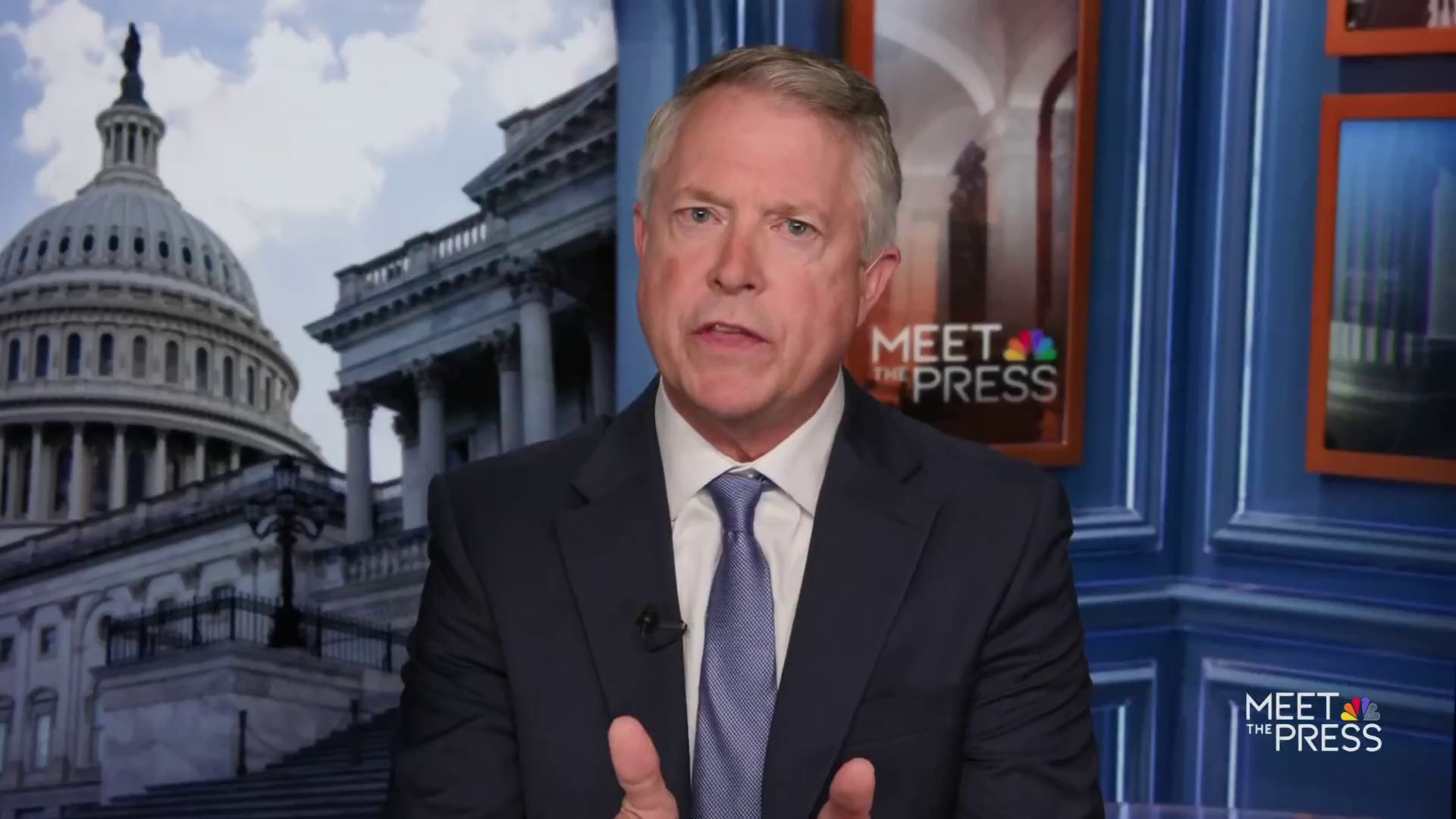
POLICY WIRE — Washington, D.C. — It’s a bold assertion, a phrase tossed casually into the complex cauldron of Middle Eastern geopolitics. When Kansas’s own Republican Senator, Roger Marshall, characterized potential further U.S. military action in Iran as nothing more than a [QUOTE_PLACEHOLDER]—a neat and tidy summary, really—it did more than just grab headlines; it yanked the discussion back to uncomfortable truths about perception and reality in Washington’s forever wars.
No, this isn’t just about targeting rogue elements or tidying up some forgotten corner. We’re talking about Iran, a nation steeped in regional power plays and—let’s be honest—decades of U.S. diplomatic frustration. But such an articulation from a sitting Senator tells you all you need to know about how casually serious matters can get bandied about in the Beltway echo chamber. You’d think the ghosts of past interventions might hover a little heavier.
And yet, here we’re. This sort of language—simplistic, almost dismissive—hardly aligns with the groundswell of concerns from security analysts and allied nations alike. They’re staring at the precipice of a broader conflict, one that promises little upside and substantial, unpredictable downsides. You can’t just wish away the intricate network of proxies, the oil chokepoints, or the regional alliances with a clean sweep.
The geopolitical chessboard isn’t just a D.C. strategy game, folks; it’s a living, breathing, often volatile reality for millions across the globe. Take Pakistan, for instance, a nation grappling with its own internal instabilities — and a contentious border with Iran. Islamabad watches U.S. rhetoric with a weary eye, knowing that any substantial escalation reverberates directly through its own security calculus and across the wider Muslim world. For them, this isn’t a [QUOTE_PLACEHOLDER]—it’s a potential nightmare unfolding on their doorstep, threatening trade routes, regional stability, and the delicate balance of power that keeps the uneasy peace. Any flare-up means they’ve gotta re-evaluate, recalculate, — and maybe even brace for an influx of new challenges.
Think about the precedents this kind of framing sets. It almost makes conflict sound palatable, digestible even, for a public perhaps weary of nuanced foreign policy debates. The term [QUOTE_PLACEHOLDER] implies the job’s already mostly done, that the messy bits are largely over with, and what remains is mere administrative work. But military engagements, particularly with state actors, seldom pan out as neatly as a bureaucratic checklist.
But Washington’s often a theater of the absurd, isn’t it? Where complex geopolitical maneuvers become talking points, stripped of their gravitas. This isn’t a new phenomenon. It’s an established trope in the perennial theatrics that shape perception from Washington to Karachi, reducing nuanced crises to soundbites for domestic consumption.
The Senator’s viewpoint might reflect a desire for a swift, decisive end to perceived threats—an understandable sentiment, sure. However, the path to a quick resolution in the Middle East has proven remarkably elusive, decade after decade. Remember the initial projections for past campaigns? History, bless its heart, rarely offers an easy [QUOTE_PLACEHOLDER]. U.S. defense spending, for instance, hovered around 4.5% of GDP in 2023, according to Congressional Budget Office estimates, much of it funneled into maintaining a global presence and responding to these very same kinds of challenges.
It’s this blend of rhetorical simplification and hardline stance that leaves many scratching their heads, particularly those who’ve seen too many optimistic forecasts collapse under the weight of harsh regional realities. We’re talking about a scenario that could easily unravel diplomatic efforts, trigger unpredictable responses from various non-state actors, and put commercial shipping at renewed risk. Because you just can’t simplify deeply embedded, historical conflicts like that.
What This Means
This framing, particularly from a conservative voice like Senator Marshall’s, does a couple of things. First, it likely aims to signal resolve to a domestic political base, suggesting strength and an unyielding stance against adversaries. But internationally? It could very well be interpreted as a dangerously naive underestimation of Iranian capabilities or, worse, an open invitation for miscalculation by all sides. This kind of casual war talk strips away the stakes, — and that’s risky business. It can harden positions in Tehran, giving the hardliners more leverage to justify their own retaliatory measures, tightening the spiral of tension we’ve seen recently, like in the oil tanker skirmishes and shadow wars that crumble fragile Iran-U.S. peace.
Economically, portraying potential strikes as trivial might calm market fears in the short term, but only if the assessment proves true—a monumental ‘if’ in this region. Any actual, expanded conflict would send oil prices skyrocketing, destabilize global supply chains, and create immense uncertainty for international trade, particularly impacting energy-dependent economies in Asia. So, what starts as a [QUOTE_PLACEHOLDER] at home could quickly become a global economic headache. And frankly, this just perpetuates a cycle where complex foreign policy decisions are reduced to snappy soundbites, sidelining genuine deliberation for political convenience. That’s a habit we can’t afford right now.