

Fentanyl Fiasco: New Mexico Governor Declares War on Alleged DEA Dereliction
POLICY WIRE — Albuquerque, United States — It’s an unspoken covenant: when a deadly poison slithers onto American streets, federal agents are supposed to be the bulwark. But in New Mexico, that...

POLICY WIRE — Albuquerque, United States — It’s an unspoken covenant: when a deadly poison slithers onto American streets, federal agents are supposed to be the bulwark. But in New Mexico, that bulwark, the Drug Enforcement Administration, now stands accused of a staggering betrayal—allegedly waving through enough fentanyl to fuel a local crisis, all in the name of bigger game. This isn’t just about drugs; it’s about trust, sovereignty, and the chilling realization that those tasked with protection might have made a devil’s bargain, with citizens’ lives as the collateral.
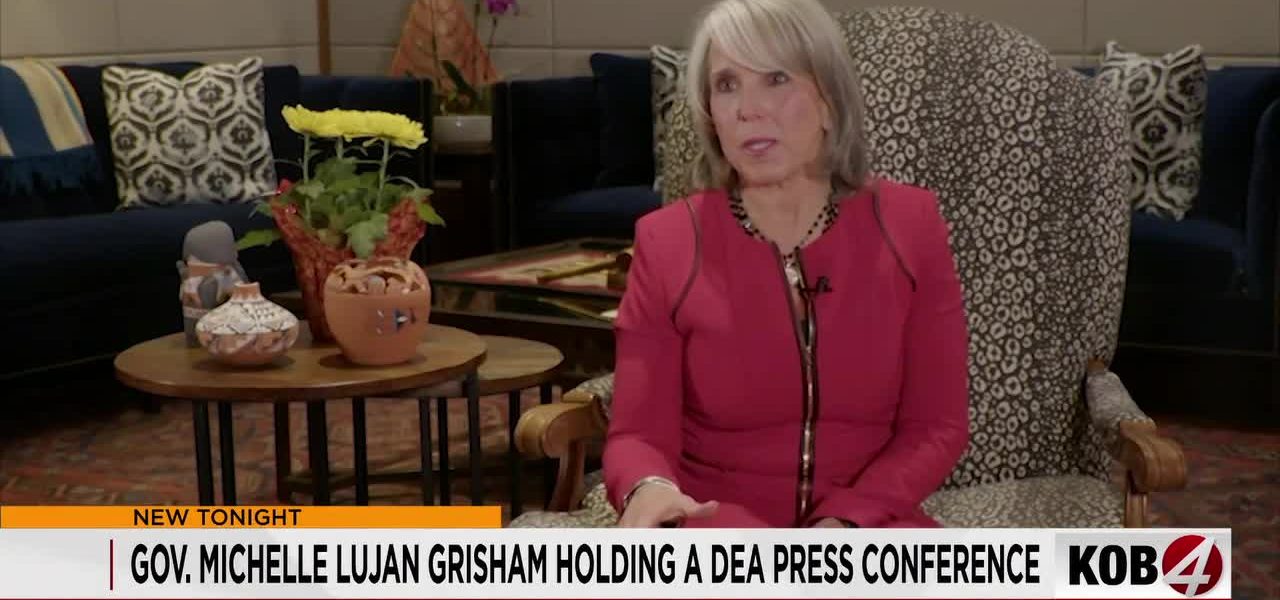
Governor Michelle Lujan Grisham, not one to mince words or back down from a fight, didn’t hesitate. She plunged headfirst into the fire, demanding a criminal investigation into what whistleblowers claim was a deliberate strategy by DEA agents to let deadly fentanyl pills—potentially between 2023 and 2025—flow unimpeded into New Mexico communities. That’s a decision with catastrophic human cost, made by federal agents who, it’s believed, thought allowing some fentanyl through would ultimately lead to larger drug busts down the line. It’s a high-stakes gamble, if true, that blew up right in the faces of New Mexicans.
Because how do you even justify such a strategy to a state grappling with a merciless opioid epidemic? Attorney General Raul Torrez, acting swiftly after the governor’s call, didn’t wait around. His office launched that criminal investigation pronto, seeking answers to unsettling questions that cut right to the core of federal law enforcement ethics. The local buzz? Not exactly thrilled, as you might imagine. Local leaders and law enforcement are gearing up for a fiery pow-wow with the governor, eager to chart a course for a state that suddenly feels less like a protected territory and more like a federal testing ground.
“This is beyond reprehensible; it’s an unconscionable dereliction of duty, a betrayal of the very people the DEA is sworn to protect,” Governor Lujan Grisham stated in a blistering public address. “My primary concern is the safety of New Mexicans, and if federal agents have allowed this poison to flow into our state for strategic purposes, then they haven’t just violated public trust—they’ve put blood on their hands. We will pursue every legal avenue to hold them accountable, federal agency or not.” Her posture, predictably, is that of a state executive pushed to her limit.
But this isn’t just a simple screw-up. It’s a systemic failure, one that echoes globally in the fraught fight against illicit narcotics. Consider nations like Afghanistan or the porous borders of parts of Pakistan, where a consistent struggle to interdict drug flows—often heroin—has fueled instability, insurgencies, and profound societal damage for decades. While fentanyl’s primary production often traces back to clandestine labs in East Asia and Mexico, the challenge of interdiction, of stemming the flow of a deadly substance once it enters distribution networks, shares a grim commonality. When law enforcement in New Mexico, by design or neglect, fails to seize illicit drugs, it illustrates the same cracks in the dike that global drug enforcement grapples with daily. According to the Centers for Disease Control and Prevention, fentanyl was involved in nearly 70% of the more than 107,000 fatal drug overdoses reported in the United States in 2022. That’s not just a statistic; it’s a gut punch, reflecting countless lives lost to this synthetic killer.
📄 POLICY WIRE WHITEPAPER PUBLISHED: PAKISTAN'S NATIONAL SECURITY POLICY PRIORITIES
👉 READ BY CLICKING HEREAnd Torrez? He’s playing it straight, legal eagle style. “My office has initiated a thorough criminal inquiry into these severe allegations. We won’t prejudge the outcome, but we’re absolutely committed to uncovering the unvarnished truth, wherever it leads us,” he confirmed. “No agency, state or federal, is above the law or immune from scrutiny when public safety is on the line. Due process will guide us, but swift — and decisive action will follow any proven malfeasance.”
The state’s collective gasp of outrage isn’t just about the drug itself. It’s about a fundamental rupture in the operating principle that government agencies—especially federal ones—should always act in the direct, unambiguous interest of protecting citizens. When that principle seems to evaporate, even for a ‘bigger picture,’ the collateral damage isn’t just more fentanyl on the street. It’s a gaping wound in civic trust, leaving citizens to wonder just who, exactly, is on their side.
What This Means
This escalating spat isn’t merely a local headline; it’s a critical bellwether for state-federal relations in a nation increasingly wary of federal overreach and perceived bureaucratic missteps. Politically, Governor Lujan Grisham, a Democrat eyeing future national prospects, gains significant capital by taking a hardline stance against a federal agency, solidifying her image as a fierce protector of her constituents. It plays well with populist sentiments on both sides of the aisle. The DEA, conversely, finds itself in a truly unenviable position. If the whistleblowers’ claims prove true, the fallout could be monumental, severely eroding its credibility and potentially prompting widespread federal drug policy reviews. Economically, a surge in fentanyl on the streets means increased healthcare burdens—for overdoses, rehabilitation, and long-term support—straining state and local resources. But more darkly, it fosters greater instability in local economies, driving crime rates and destabilizing communities already fighting uphill battles. It also signals to drug traffickers that, perhaps, certain corridors are less guarded than believed, making New Mexico an even more attractive distribution hub. It’s a crisis not just of public health, but of public faith.