


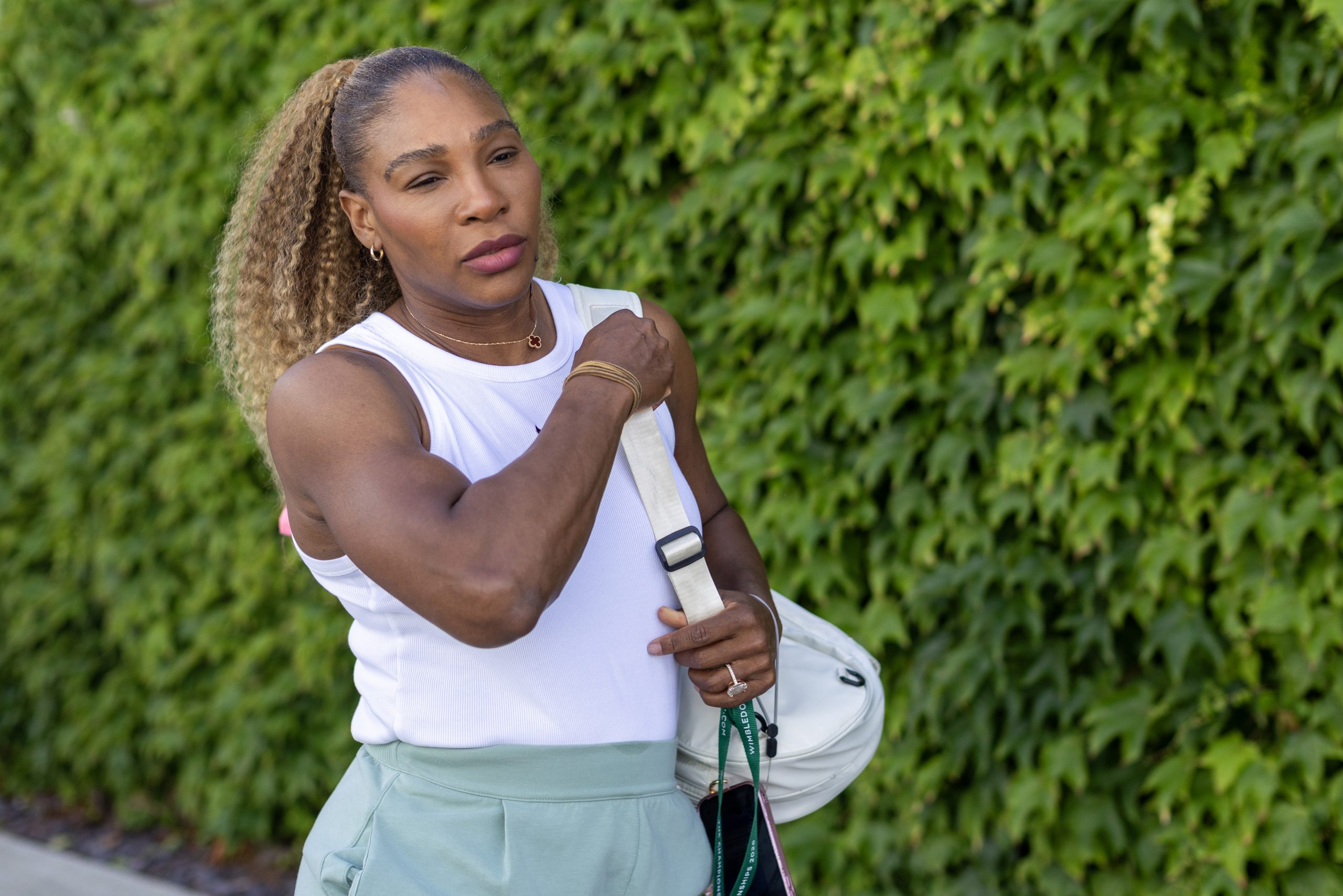
Serena’s Reluctant Comeback: The Golden Cage of Anti-Doping Protocols
POLICY WIRE — London, UK — In a world obsessed with peak performance, the fine line between champion and cheat has never been more vigorously policed. And for an icon like Serena Williams, returning...

POLICY WIRE — London, UK — In a world obsessed with peak performance, the fine line between champion and cheat has never been more vigorously policed. And for an icon like Serena Williams, returning to the cut-throat circuit of professional tennis isn’t just about forehands and backhands anymore. It’s about enduring a relentless, often infuriating, regimen of athletic surveillance—a system so iron-clad it would make a state intelligence agency blush. She’s back on the grass, racket in hand, but the 23-time Grand Slam winner isn’t just battling opponents; she’s squaring off against what she views as a profoundly ‘unreasonable’ anti-doping apparatus, even if she admits its necessity.
Her recent comments, delivered with characteristic bluntness, yanked back the curtain on the quiet struggles many top athletes face. “It’s grueling. They changed the rules now,” Williams lamented, speaking to reporters ahead of her first singles match in nearly four years at Wimbledon. “Apparently if you miss a test outside of your window, it still counts as missed. I’m like, ‘I guess I can’t go pick up my kids.’ It’s unprofessional, I think. I hate it.” A pretty candid take for someone widely considered the greatest of all time, isn’t it? She also let slip that this surveillance — this constant digital leash — played a big part in her reluctance to return in the first place.
It isn’t a theoretical gripe. Because this system isn’t for the faint of heart. It demands that the world’s top 100 singles players – men and women – provide the International Tennis Integrity Agency (ITIA) with a daily, specific one-hour window for testing. But wait, there’s more. Players must keep the ITIA perpetually updated on their whereabouts, right down to their hotel room number. Anywhere, anytime. Don’t show up? That’s a ‘strike.’ Accumulate three strikes in a year, and you’re looking at hefty sanctions, like American Jenson Brooksby, who faced an 18-month ban (later trimmed to 13) for just such infractions. Then there’s former Wimbledon champion Markéta Vondroušová, slapped with a four-year ban for outright refusal to be tested, blaming ‘acute stress reaction.’ The ITIA, however, notes she signed the refusal form before heading out to walk her dog. Talk about a dog-eat-dog world.
“Our mandate is simple: maintain a level playing field for everyone. That means comprehensive, often intrusive, testing,” remarked an ITIA spokesperson, speaking anonymously to Policy Wire. “We understand it’s not always convenient, but fairness isn’t always convenient. And we haven’t exactly changed the core structure in years.” This steadfastness clashes with Williams’s experience and — crucially — the complex realities of elite athletic life beyond the court. She’s running companies, navigating investments, raising a family. It’s hardly the cloistered existence of a monk.
And so, we arrive at the question of sovereignty — personal and professional. Players, from a seasoned legend like Williams to a rising star from, say, Pakistan or India, find themselves caught in a system designed for purity, yet sometimes seen as punitive. For a burgeoning talent in a region with fewer resources, a lack of dedicated support staff to manage such demands could inadvertently stifle a promising career before it truly starts. The global game requires global understanding, after all. Yet, the rules remain rigidly universal, blind to individual circumstances.
Her return isn’t just a comeback; it’s a policy statement on the terms of engagement. Williams didn’t re-enter the anti-doping pool, subjecting herself to six months of scrutiny, on a whim. She endured it. And her frustrations, though personal, echo a larger unease about the immense power wielded by sporting bodies over athletes’ daily lives. But who’s really counting the cost of such a highly surveilled, highly professionalized existence?
What This Means
The latest broadside from Serena Williams isn’t just celebrity griping; it signals a flashpoint in the ongoing policy debate concerning athlete welfare versus anti-doping stringency. Economically, this relentless surveillance translates into hidden costs for top athletes—the need for dedicated personnel to manage whereabouts, the impact on family life, the mental toll of perpetual readiness. For a global sport like tennis, attracting and retaining talent, particularly from developing economies, might become tougher if these protocols are perceived as overly burdensome, creating an uneven playing field beyond the lines. Consider the immense economic potential a young athlete from, say, Lahore, could represent for their country; this stringent regulatory framework could be an unexpected barrier to entry and progression.
Politically, the pushback from a figure as prominent as Williams forces governing bodies like the ITIA into a defensive posture. It’s a public relations headache, yes, but also a call to action to review — and potentially humanize — processes that have perhaps become too institutionalized. The balance here is delicate: ensure integrity without alienating the very individuals who drive the sport’s global appeal and economic engine. Failure to adapt could see more top players choosing earlier retirements or more selective schedules, impacting event attendance and sponsorships. It’s a classic case of policy overreach versus practicality, — and someone’s got to give. The sports-industrial complex might be vast, but its foundation rests on the shoulders—and the temperaments—of its stars.
Williams is set to begin her Wimbledon singles campaign against 20-year-old Maya Joint on Tuesday and will play doubles with her sister Venus on Thursday.