


Border Blitz: Pakistan Escalates Anti-Militant Operations Amid Strained Afghan Ties
POLICY WIRE — Islamabad, Pakistan — It’s a familiar script playing out on a perilous stage, a danse macabre along the rugged border that slices through centuries of tribal allegiance and modern...

POLICY WIRE — Islamabad, Pakistan — It’s a familiar script playing out on a perilous stage, a danse macabre along the rugged border that slices through centuries of tribal allegiance and modern geopolitical bluster. The details this week were stark, if unsurprising: Pakistani security forces, it turns out, weren’t just flexing their muscles; they were decisively, ruthlessly eliminating what they call ‘militants’ in cross-border operations.
Twenty-nine figures, characterized by Islamabad as dangerous insurgents and ‘terrorists’ affiliated with outlawed groups, met their end in a series of swift, targeted actions in what local officials term the ‘highly volatile’ North Waziristan region. This isn’t just about statistics on a scoreboard, folks. This is about deeply entrenched, agonizing instability that keeps entire regions perpetually on edge, caught between warring ideologies and the ghosts of forgotten agreements.
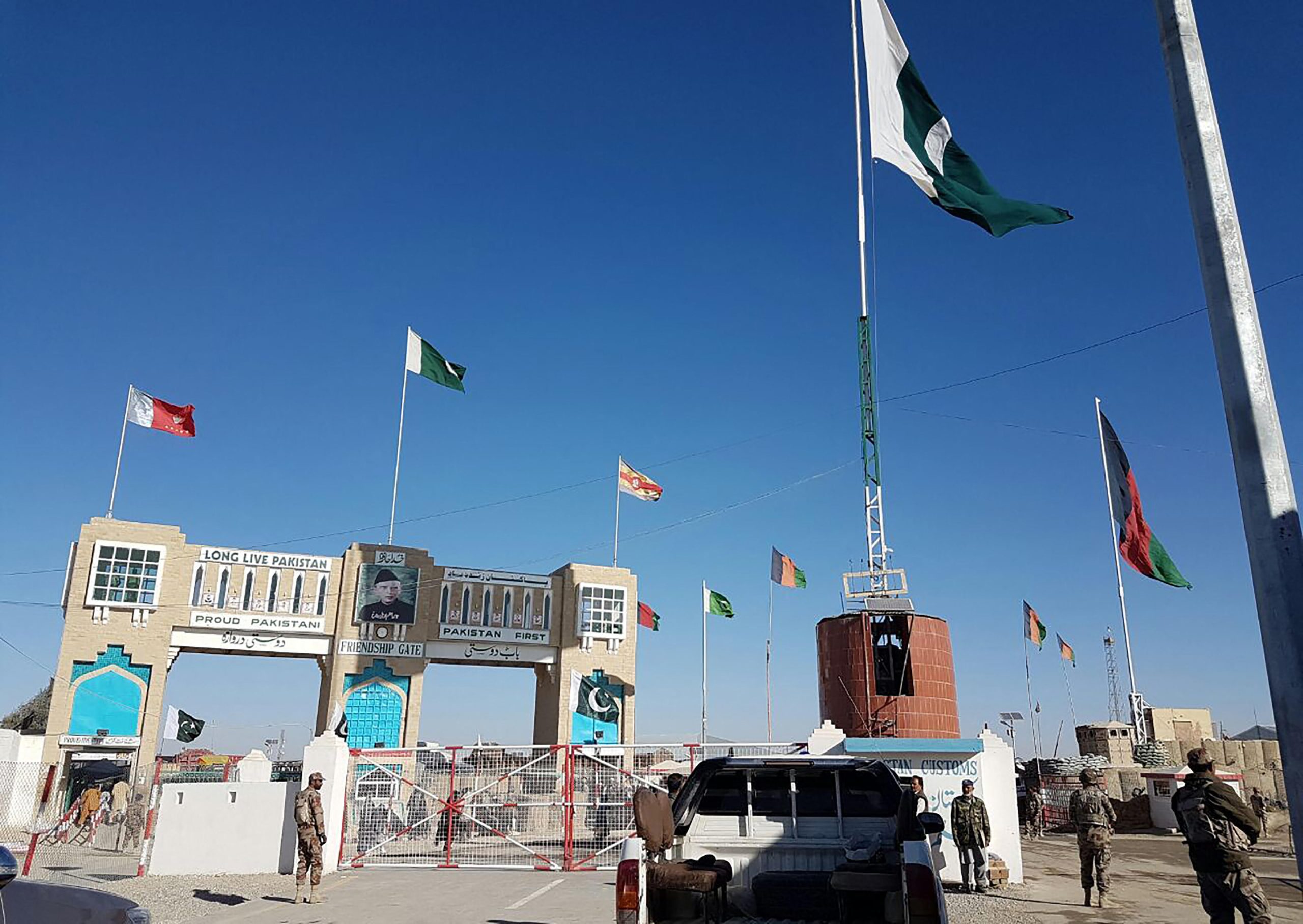
But this isn’t just an internal security sweep; not by a long shot. These operations unfold against a backdrop of severely strained relations with Afghanistan’s Taliban rulers. Islamabad repeatedly claims the Tehrik-i-Taliban Pakistan (TTP)—the Pakistani Taliban—finds sanctuary and operational bases just over the Durand Line, an accusation Kabul vehemently, almost comically, denies. “We’ve got a sovereign right to protect our borders and our people,” declared Pakistan’s Interior Minister, Mohsin Naqvi, from Islamabad yesterday, his voice reportedly tinged with an exasperated impatience. “We’ve seen an unacceptable uptick in these brazen assaults from across, and frankly, Islamabad isn’t gonna sit idly by while our citizens pay the price. It’s a clear, unmistakable message: Don’t mess with us.”
Because let’s be real, this isn’t a new problem. It’s a chronic wound, festering for decades, occasionally bandaged but never truly healed. The return of the Taliban in Afghanistan has, if anything, worsened the contagion, emboldening their ideological brethren across the border and offering a fertile, lawless sanctuary. A United Nations Security Council report from earlier this year highlighted a grim reality: cross-border attacks into Pakistan increased by a staggering 87% in the year following the Taliban’s return to power in Kabul. And that’s a hard number, not conjecture. It tells you something about the strategic shift.
Afghanistan’s Ministry of Foreign Affairs spokesperson, Hafiz Zia Ahmad, countered with a statement brimming with familiar deflection. “These allegations are baseless. Afghanistan’s soil will absolutely not be used against any neighboring country. We urge Islamabad to avoid rhetoric that could harm regional peace and instead engage in constructive dialogue.” It’s the usual diplomatic tango, isn’t it? One side blames, the other denies, while the bodies pile up — and the region continues its slow burn.
And let’s be frank, the stakes are enormous. This relentless internal and external pressure is squeezing Pakistan’s already precarious economy, siphoning off resources that could otherwise address inflation and development. Think about it: a nation consistently embroiled in border skirmishes can hardly foster the long-term investment required for sustained growth. Pakistan isn’t just battling militants; it’s wrestling with the perception of instability itself—a perception that often dictates its global standing and economic prospects.
This isn’t some isolated skirmish either. It’s part of a wider, often unspoken, contest for influence and stability throughout the Muslim world, from the Middle East to South Asia. Every bullet fired here resonates, not just locally, but within the larger discourse on extremism and governance in Muslim-majority nations. It’s all interconnected, you see.
What This Means
The recent Pakistani actions, rather than being a definitive end, represent another escalation in an unending cycle. Politically, this hardline stance plays well with a domestic audience tired of insecurity, bolstering the current, often embattled, administration. However, it simultaneously poisons the well of any potential, even if illusory, future diplomatic breakthrough with Kabul. For Afghanistan, it means further isolation, further entrenchment of a narrative that casts it as a reluctant host for terror groups, despite its fervent denials. Economically, both nations bleed. Pakistan funnels funds into defense when it desperately needs foreign investment. Afghanistan remains an international pariah, its people paying the real price.
From a regional perspective, powers like China — and Iran watch with a mix of apprehension and strategic interest. China, with its Belt and Road investments running straight through Pakistan, desperately wants stability; ongoing militant activity is a serious threat to its regional ambitions. This entire dynamic just reinforces the narrative that peace in this part of South Asia remains an aspiration, a distant dream, rather than a tangible reality. It’s not pretty, — and there’s no easy fix in sight.