


Cleveland’s Losing Streak: Is Sports Woes a Bellwether for Rust Belt Realities?
POLICY WIRE — CLEVELAND, Ohio — They call it the ‘Mistake on the Lake,’ but lately, it feels less like a moniker and more like a grim prognosis. Another Wednesday night, another loss for...

POLICY WIRE — CLEVELAND, Ohio — They call it the ‘Mistake on the Lake,’ but lately, it feels less like a moniker and more like a grim prognosis. Another Wednesday night, another loss for the home team — this time, a fairly routine 3-1 thumping by the visiting Seattle Mariners. You’d think a single baseball game, just one data point in a seemingly endless season, wouldn’t merit much attention beyond the sports pages. You’d be wrong.
Because for Cleveland, the ceaseless cycle of its teams performing with a kind of disheartening predictability isn’t just about athletic prowess (or the lack thereof). No, it’s become a convenient, if depressing, shorthand for a broader civic narrative, a symptom of an underlying economic friction that pits historic identity against the brutal realities of twenty-first-century capital flow. And what a drag it’s.
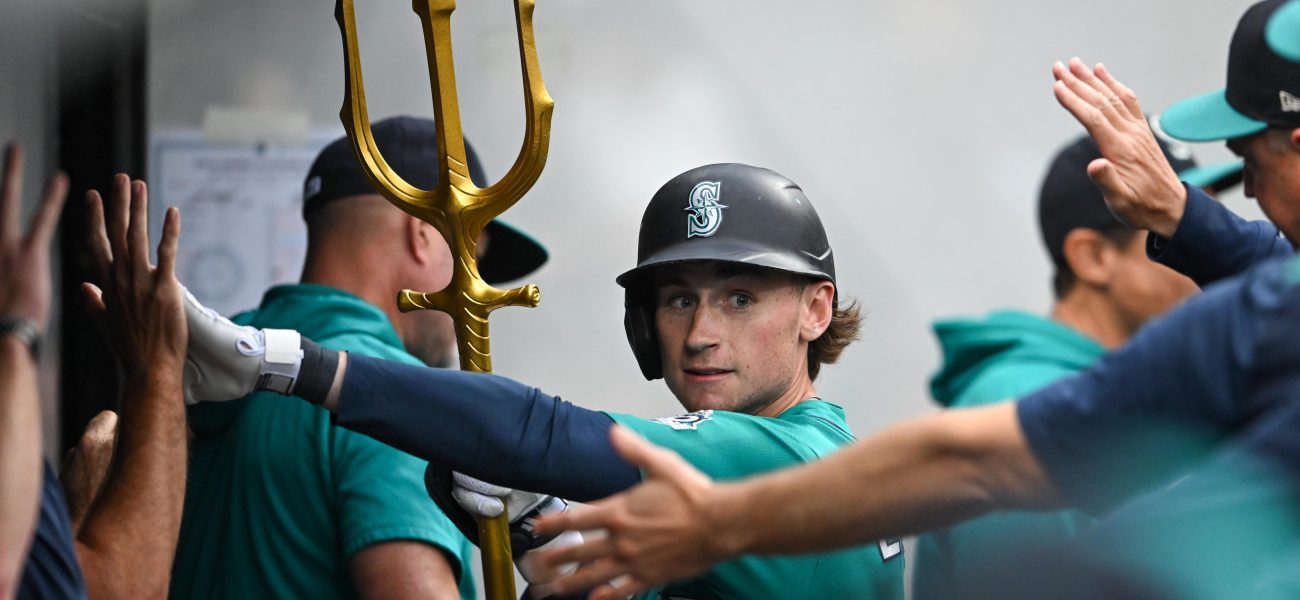
That solitary home run, belted by Seattle’s Colt Emerson in the third inning—a swing that effectively sealed the Guardians’ fate—felt almost symbolic. Seattle, the tech titan of the Pacific Northwest, flexing its economic muscles, while Cleveland, still grappling with its industrial ghosts, absorbs yet another quiet defeat. It’s not always fair, you know? Sports shouldn’t be a barometer for urban vitality. But sometimes, they just can’t help themselves.
But there’s a real political undercurrent here. This isn’t just about bats and balls; it’s about public funds, city morale, and the seemingly eternal quest for civic validation in a brutally competitive economic landscape. “People want a winner, naturally,” admitted Cleveland Mayor Rosalyn Vega in a candid conversation recently, a rare moment of introspection from her usually unflappable office. “They see success on the field, and it somehow — wrongly, perhaps — translates to success in our schools, our streets, our opportunities. We’re working on all fronts, don’t misunderstand.” Her frustration, I didn’t miss it.
It’s an easy correlation to dismiss as simplistic, even infantile. Yet, the perception persists. Just ask any downtown business owner after a string of losses versus a string of wins. The wallets simply aren’t opening as wide. And then there’s the broader issue: stadium maintenance, municipal concessions, police presence — all of it costs taxpayer money. A lot of it. And for what? For a brand that consistently underperforms? “The argument for public subsidies in sports usually rests on the ‘intangible benefits’ of civic pride and indirect economic stimulation,” explained Dr. Omar Rahman, a Georgetown University economist with extensive research on urban development and post-industrial economies, in an email to Policy Wire. “But you don’t build a sustainable economy on hope alone. Eventually, the numbers catch up.”
Because Cleveland isn’t an island. It’s deeply intertwined with national — and global economic trends. The city’s attempts to rebrand itself from heavy industry to a burgeoning healthcare and biotech hub often feel like an uphill battle. The narrative of resilience is often applauded, but tangible investments are scarcer. For instance, according to a recent analysis by the Ohio Economic Policy Institute, the actual return on municipal investment for sports facilities in mid-sized U.S. cities like Cleveland rarely exceeds 1.5% of the initial outlay annually, a figure many argue could be better spent on other public services. That’s a stark contrast to some European cities, which, let’s just say, approach infrastructure spending with a decidedly different fiscal philosophy.
📄 POLICY WIRE WHITEPAPER PUBLISHED: PAKISTAN'S NATIONAL SECURITY POLICY PRIORITIES
👉 READ BY CLICKING HEREConsider the perception from afar. How does a middling sports franchise impact international investment decisions? It might seem a stretch, but consider countries like Pakistan, actively trying to draw foreign direct investment (FDI) into its developing tech and infrastructure sectors. Their government understands that perception, whether tied to stable governance, cultural vibrancy, or even, yes, sporting success, directly influences global capital’s comfort level. When a city—any city—struggles to project a winning image, it complicates the pitch. It makes those trade delegations from Karachi or Lahore think twice, especially when they’re weighing myriad other options.
It’s not just about one game, then, is it? It’s about optics. It’s about civic self-esteem. It’s about convincing the world, and indeed its own residents, that Cleveland can compete, not just on a diamond, but in the brutal, unrelenting marketplace of ideas and investment. And they’re struggling on both counts.
What This Means
The continuous narrative of sports struggles in cities like Cleveland — the persistent feeling of being ‘behind’ — translates directly into political vulnerabilities for local leadership. When elected officials are faced with the double whammy of a lack of civic pride fueled by sporting mediocrity and concrete financial concerns regarding the ROI of publicly funded arenas, their mandate can erode swiftly. Voters don’t just see a game; they see a reflection of broader municipal effectiveness. Economically, this feeds into a feedback loop: a perception of urban decay (however unjust) can deter the very investors needed to fuel regeneration, making it harder for cities to break away from their legacy industries. The ongoing push for federal infrastructure funding or specialized regional economic zones often gets tangled in these perceived shortcomings, adding layers of complexity to an already challenging Rust Belt recovery. Ultimately, it suggests that urban identity, forged through myriad elements including its sporting teams, remains a powerful, if underappreciated, component of a city’s overall economic and political viability.