

Kremlin’s Fiery Reality: Fuel Woes Stoke Unease as Drones Pierce Russia’s Economic Armor
POLICY WIRE — Moscow, Russia — President Vladimir Putin, architect of Russia’s formidable petrostate, finds himself in an unenviable bind, his usual swagger replaced by the less palatable...

POLICY WIRE — Moscow, Russia — President Vladimir Putin, architect of Russia’s formidable petrostate, finds himself in an unenviable bind, his usual swagger replaced by the less palatable prospect of public admissions. Just weeks ago, the Kremlin acknowledged a rather inconvenient truth: fuel shortages were, in fact, a real thing. But not for long, presumably. One would think. Well, things just got a sight more complicated.
It was a clear, if perhaps grimly predictable, follow-up:
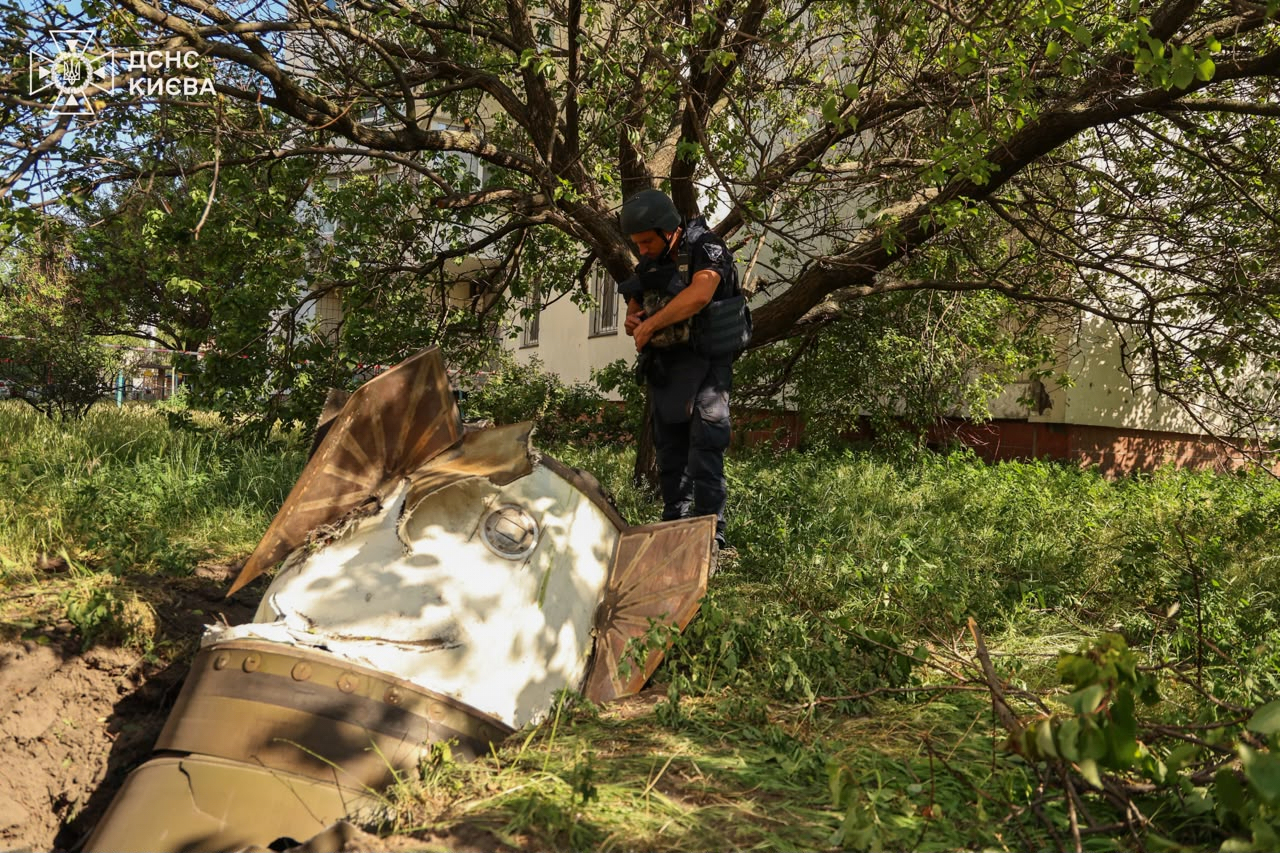
Ukraine’s drone set another Russian oil refinery ablaze [QUOTE_PLACEHOLDER]
. This latest incident isn’t an isolated anomaly; it’s another harsh jolt to Russia’s economic lifeline, striking at the very infrastructure underpinning Moscow’s military machine and its broader financial resilience. The plume of smoke over the Ryazan facility, for instance (not this specific one, mind you, but *a* major refinery just like it) wasn’t just a localized disaster; it was a visible symptom of a deepening strategic headache, exposing raw nerves in a system that thrives on projecting absolute control.
For months, Kyiv’s uncrewed aerial vehicles have been punching above their weight—literally. They’ve been systematically targeting Russian oil and gas infrastructure, from distant export terminals to processing plants nestled deep within the country. This isn’t random attrition; it’s a concerted effort to cripple the economic engine of a grinding conflict. And it’s working, if Moscow’s recent public statements are any indicator. Putin’s previous acknowledgement of domestic
fuel shortages
wasn’t just a slip of the tongue; it was a crack in the carefully constructed facade of invincibility. Now, the cracks are getting wider.
The impact stretches far beyond a mere hiccup in petrol supply lines. We’re talking about a significant dent in the country’s refining capacity. Reports, for instance, from various intelligence estimates and market analyses, indicate Russia’s primary crude processing has fallen by approximately 15% due to drone attacks alone in the first quarter of this year, according to a recent assessment by the Kyiv School of Economics and the U.S. Chamber of Commerce. That’s not small potatoes. This kind of systematic degradation of capability eventually impacts not only military logistics but also—and this is a big one—ordinary citizens’ daily lives. Imagine the queues at the pumps. The frustration. The questions.
But how does this play out globally? Particularly in regions heavily reliant on stable oil markets, like South Asia? Think Pakistan, for one. Its economy, already battling high inflation and an import bill that’s frankly eye-watering, can’t afford price volatility driven by disruptions in Russia, a major global energy producer. Any squeeze on crude supply, even indirect, translates directly into higher fuel costs, sparking public unrest and further complicating Islamabad’s already strenuous balancing act between regional powers. Pakistan’s border regions are already hotbeds of political sensitivity; fuel scarcity won’t make things calmer, will it?
These strikes aren’t just about explosions — and fire, though there’s plenty of both. They’re about leverage, about economic warfare conducted with frightening precision. They force Russia to divert resources, perhaps even precious air defense systems, away from the front lines to protect its sprawling industrial assets. It’s a classic strategy, actually: make the enemy defend everything, everywhere, all at once. And while the drones themselves might be low-cost, the damage they inflict is exponentially higher, not just in repairs but in lost revenue, in disrupted supply chains, and in dwindling public confidence.
Moscow faces a nasty dilemma. Pump more crude directly into exports? That bypasses domestic refining capabilities, sacrificing higher-value products for raw revenue, and still doesn’t fix the internal shortage of refined fuels like gasoline and diesel. Repair the damaged plants? That takes time, specialized equipment, — and skilled labor, all of which might be scarce or diverted to the war effort. The choice is grim, really. And it’s not going away.
What This Means
The intensifying campaign against Russia’s energy infrastructure suggests a deliberate escalation in Ukraine’s strategic calculus. It signals a move beyond purely tactical battlefield gains to a broader economic debilitation. For Russia, this represents a multi-pronged assault on its war chest — and its internal stability. Economically, fewer refined products mean less readily available fuel for military vehicles and for civilians, risking inflation and public discontent. Politically, President Putin’s once ironclad image of competence is starting to fray, particularly if everyday citizens begin feeling the pinch at the petrol pump. You don’t often hear a strongman admit to *shortages*, do you?
Internationally, the repeated targeting of Russian refineries poses a different kind of challenge. While Western nations might privately appreciate the pressure on Moscow, there’s an underlying fear of wider market destabilization. Higher global oil prices could feed inflation worldwide, hurting economies that are just barely recovering from recent shocks. For nations like Pakistan, which operate on thin fiscal margins, such volatility can translate directly into political unrest, disrupting everything from trade flows to domestic security. It’s a delicate dance, this. Ukraine wants to win, obviously, but the global economy holds its breath, hoping the repercussions don’t spiral into something bigger than anyone intended.