


UCLA’s New Sporting Elite: Gold, Mental Fortitude, and a League in Flux
POLICY WIRE — Los Angeles, USA — Forget the pristine victory laps, the glossy photo ops, and the manufactured narrative of effortless triumph. College sports in 2026? It’s a brutal, high-stakes...

POLICY WIRE — Los Angeles, USA — Forget the pristine victory laps, the glossy photo ops, and the manufactured narrative of effortless triumph. College sports in 2026? It’s a brutal, high-stakes enterprise, where young men and women aren’t just athletes; they’re brands, mental health advocates, and potential Olympians, all before they’ve truly found their adult footing. The Big Ten Conference, ever the old guard attempting to keep pace with an accelerating world, just tacked another “Medal of Honor” onto UCLA’s already weighty athletic mantle—twice, actually.
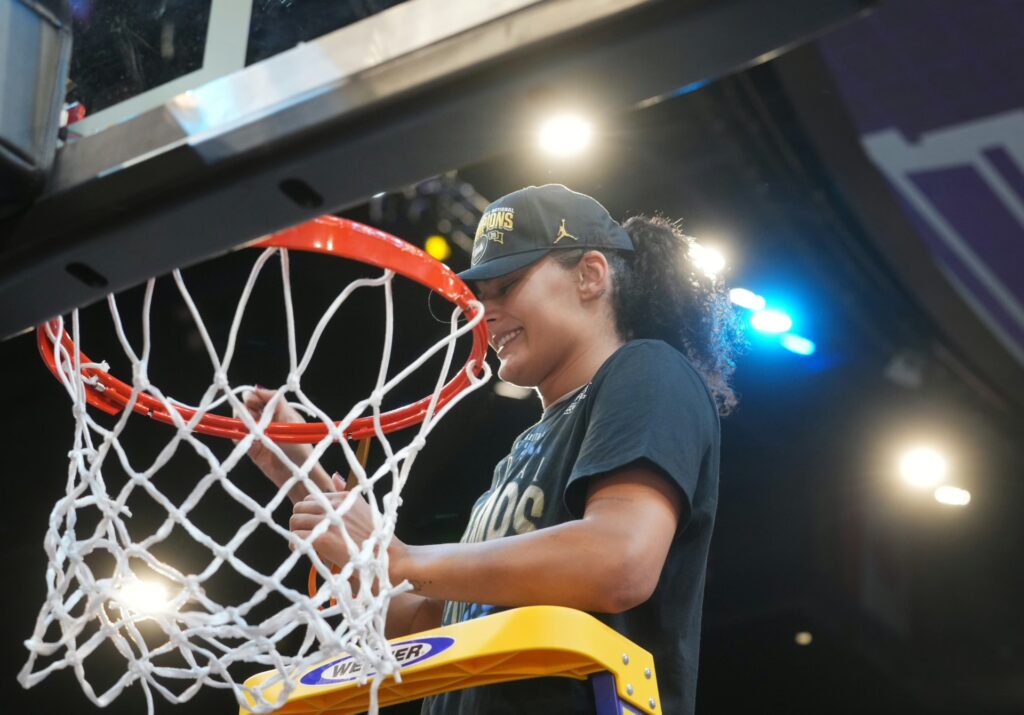
It’s not just about the national titles—though both honorees hauled those in with almost casual efficiency. No, this year’s recipients, women’s basketball star Lauren Betts and water polo standout Chase Dodd, represent a more complicated truth about athletic achievement: it’s inextricably tied to the personal battles fought behind the bright lights, the shrewd commercial navigation, and, increasingly, a profound public vulnerability.
Betts, a towering presence on the court, didn’t just dominate; she became the rare athlete to clinch both the Big Ten Player of the Year and Defensive Player of the Year in the same season. And her career didn’t end quietly in Westwood. She ended up as the No. 4 overall pick in the 2026 WNBA Draft, a league whose viewership had reportedly soared 21% in 2025, testament to the rising tide of women’s professional sports. But her true game-changer? It wasn’t a block or a crucial rebound. It was her frank public reckoning with mental illness, transforming her into a forceful advocate for support systems within competitive sports. It’s a quiet revolution, but a profoundly necessary one.
And then there’s Dodd, a water polo phenom. He powered UCLA to back-to-back national championships, potting four goals during the 2026 NCAA Tournament’s business end. But like Betts, his story extends beyond the scoreboard. Dodd, we hear, is currently scrapping for a roster spot on Team USA for the 2028 Los Angeles Olympics. That’s not just a personal ambition; it’s a national endeavor, showcasing a fierce dedication that resonates globally, even in countries like Pakistan, where the burgeoning interest in Olympic sports—often unfunded and under-recognized—sees athletes making similar, albeit more arduous, personal sacrifices for national glory.
These aren’t just exceptional student-athletes; they’re microcosms of the modern collegiate sporting landscape—a blend of raw talent, academic diligence, public responsibility, and nascent professional ambition.
What This Means
This dual recognition at UCLA isn’t just another set of medals. It signals a palpable shift in what universities — and the wider public — value in their athletic heroes. It’s no longer sufficient just to win. The expectation now includes navigating Name, Image, and Likeness (NIL) deals, cultivating a public persona, and confronting issues that transcend the playing field.
“We’re witnessing a seismic transformation in collegiate athletics,” asserted Dr. Adrianne Chen, a sports economist — and former NCAA governance advisor. “Athletes are increasingly expected to be not only athletic powerhouses but also brand ambassadors, advocates, and—frankly—revenue generators. Their personal narratives, once secondary, are now primary drivers of engagement and influence.” It’s a heavy mantle for kids still, often, just out of their teens.
But because they carry these burdens, they’re becoming immensely powerful cultural figures. Betts’s openness about mental health, for example, injects a critical dose of reality into the often-glamorous world of professional sports. It pushes institutions—universities, professional leagues, and governing bodies—to reassess their athlete welfare programs. And it reverberates far beyond American college campuses. This conversation on mental wellness among athletes echoes debates in high-pressure sports environments across the globe, from the English Premier League to even the most demanding academic prep for competitive national exams in places like Karachi or Dhaka. Pressure, it seems, is a universal language.
“These awards aren’t just for exceptional athletes; they’re for individuals who’ve understood and embodied the expanded role of the modern athlete,” said Gene Smith, the newly appointed Commissioner for the Big Ten, likely speaking from a tastefully minimalist office with a view of some Big Ten logo. “We want young people who excel across the board, demonstrating a comprehensive commitment to their craft and community. They’ve transcended traditional definitions of ‘student-athlete,’ becoming more akin to global ambassadors for excellence, inspiring the next generation.”
These aren’t merely individual triumphs; they’re barometers of an industry—collegiate sports—that’s wrestling with its own identity. It’s grappling with massive revenue streams, athletes’ growing empowerment, and the ever-present specter of commercialization versus amateur ideals. But as Betts and Dodd illustrate, these young stars aren’t just adapting to this chaotic new reality; they’re defining it, one game—and one honest conversation—at a time. It’s an interesting ride to watch, isn’t it?