The Geopolitics of Goalposts: Ivory Coast Meets Norway in a World Cup Microcosm
POLICY WIRE — Dallas, Texas — Another Monday looms. But for millions, that mundane rhythm will be shattered by a ninety-minute spectacle of athletic endeavour, draped in national colours. It’s...

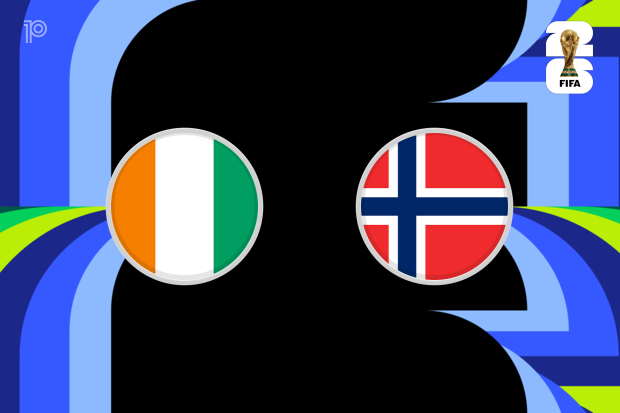
POLICY WIRE — Dallas, Texas — Another Monday looms. But for millions, that mundane rhythm will be shattered by a ninety-minute spectacle of athletic endeavour, draped in national colours. It’s a grand distraction, yes, but dig a little deeper, past the cheers and the punditry, and you’ll find a raw, unapologetic narrative of nationhood playing out on Astroturf. This isn’t just about football scores; it’s about soft power, about identity, and for two disparate nations, Ivory Coast and Norway, it’s another chance to etch their names into the global consciousness—for good or ill.
It’s here, in the colossal confines of AT&T Stadium, that a fascinating clash of philosophies and aspirations is set to unfold. On one side, the ‘Elephants’ of Ivory Coast, fresh off a respectable 2-0 trouncing of Curaçao. They carry not just the hopes of their countrymen, but a symbolic weight stretching far beyond West Africa, representing, for many, the dynamism and potential of an entire continent. Their previous outing was crisp, efficient, a demonstration of calibrated aggression. It was a statement, really.
And then there’s Norway. They stumbled badly last time, a crushing 4-1 defeat at the hands of France leaving them with a fair bit to prove. For a country often perceived as economically robust and culturally self-assured, the stumble on the international stage cuts deep. This isn’t just about a team regaining its footing; it’s about a nation reaffirming its presence, proving that Nordic efficiency extends to more than just oil and democratic governance. Sport, for them, can be a particularly chilly business, especially when things go awry.
“Football isn’t just a game in our nation; it’s a profound declaration of identity, a narrative of triumph against odds. When our Elephants take the field, it’s the heartbeat of an entire people manifesting.” — *Amadou Diallo, spokesman for the Ivorian Football Federation, stated yesterday in a brief release to local media outlets.* He wasn’t wrong. The roar of the crowd, the fervent prayers before a penalty, it’s all tied to something larger. In countries like Pakistan, and across the Muslim world, where a rich tradition of passionate sports fandom exists—from cricket to football—these narratives of underdog triumphs or national resurgence resonate powerfully. They mirror their own struggles, their own aspirations on the world stage.
Because these games, you see, are never really just about goals. They’re a stage. They’re a megaphone. “We see international sport not just as competition, but as a robust platform for cultural exchange and fostering international goodwill—even against a backdrop of fierce rivalry. It’s an investment in softer diplomacy.” — *Birgit Eriksen, Norwegian Minister of Culture, observed recently.* She was, of course, talking about more than the economics of the sport. It’s about a nation’s brand.
The stakes? Incalculable, in human terms. Financially, though, we can approximate. FIFA estimated that the 2022 World Cup attracted a cumulative audience of 5 billion people worldwide, demonstrating football’s unmatched global reach. This isn’t just advertising; it’s prime-time national projection. Success can unlock diplomatic doors, grease economic wheels, — and inspire generations. Failure? Well, it simply provides fodder for national introspection, — and the inevitable calls for managerial change.
From Abidjan’s bustling markets to Oslo’s stoic fjords, the tension is palpable. The Elephants are expected to deploy a lineup not dissimilar to their last outing: Yahia Fofana between the posts, a solid backline of Guéla Doué, Ousmane Diomande, Odilon Kossounou, and Christopher Operi. Midfield general Ibrahim Sangaré will marshal alongside Franck Kessié and Yan Diomande, with attacking flair from Amad Diallo, Nicolas Pépé, and Ange-Yoan Bonny. It’s a potent mix.
But the Norwegians, smarting from their drubbing by the French (who fielded Kylian Mbappé, remember), will undoubtedly adjust. Expect Egil Selvik to remain in goal, shielded by Fredrik Aursnes, Henrik Falchener, Leo Ostigard, — and Fredrik Bjorkan. Kristian Thorstvedt, Patrick Berg, and Oscar Bobb will likely anchor the midfield, supporting Thelo Aasgaard, Andreas Schjelderup, and the imposing Strand Larsen up front. They’ve got their work cut out for them, but they’re not ones to back down. Such reversals are common in the sporting world, requiring significant mental fortitude.
What This Means
This match, set against a global economic downturn and simmering international tensions, is far more than a sporting event. For Ivory Coast, a win cements their growing influence on the continent and offers tangible pride that translates into political capital for their leadership—a domestic dividend of international renown. It validates investment in youth and infrastructure, broadcasting an image of African capability to potential investors globally. For Norway, it’s about safeguarding reputation, ensuring their vision of quiet, progressive nationhood isn’t perceived as soft or lacking grit. A victory restores a sense of equilibrium, providing valuable cultural export, much like their other soft power initiatives. It showcases the efficacy of European sporting prowess, while a loss could intensify internal debate about funding priorities and national identity in a rapidly shifting world. The symbolic resonance here could, and likely will, ripple through the national consciousness.
So, as the whistle blows, remember: it’s not just twenty-two men chasing a ball. It’s nations pursuing prestige. It’s economies eyeing exposure. It’s history, quietly being written, one tackle, one pass, one goal at a time. And frankly, the geopolitical implications might just be as interesting as the final score.