

After 67 Years, ‘Wee County’ Shatters Sporting Lore with Stunning All-Ireland Semifinal Bid
POLICY WIRE — Dublin, Ireland — For nearly seven decades, it was less a dream and more a cruel punchline whispered across the green fields of Ireland. The All-Ireland Senior Football Championship...

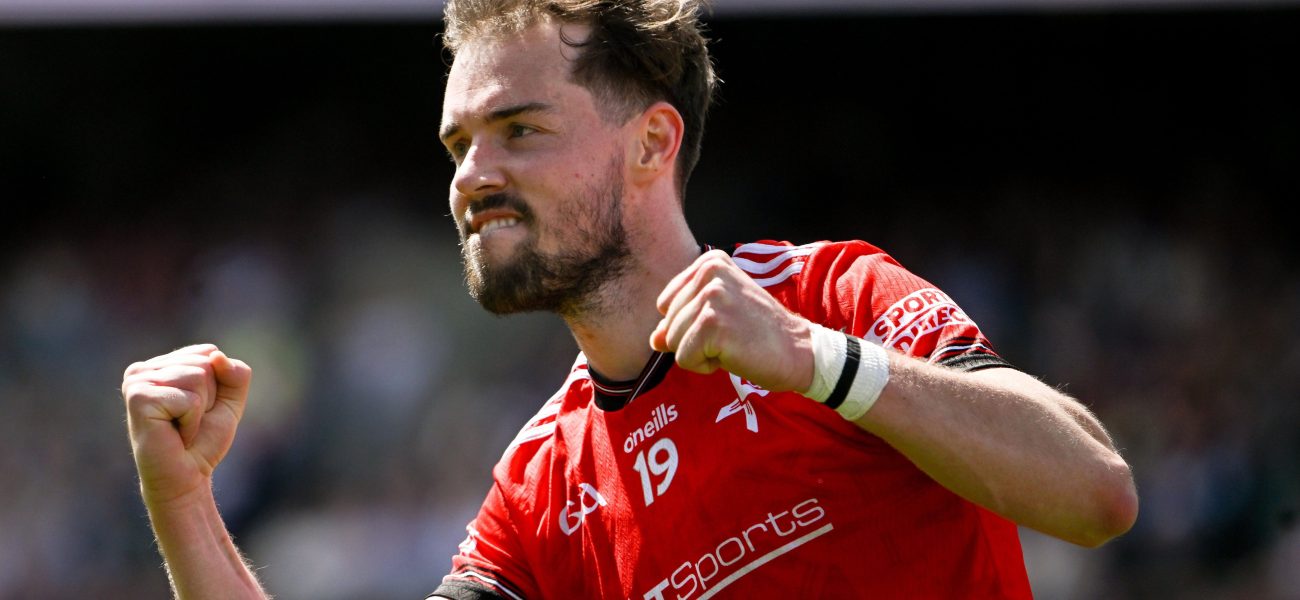
POLICY WIRE — Dublin, Ireland — For nearly seven decades, it was less a dream and more a cruel punchline whispered across the green fields of Ireland. The All-Ireland Senior Football Championship semifinal stage, that rarefied air of Gaelic football greatness, remained a distant mirage for County Louth. That’s, until Saturday. Croke Park, that grand crucible of Irish sport, bore witness to an upset that wasn’t merely unlikely; it was, quite frankly, absurd. A team, playing for over an hour with a man down, defying statistical gravity to oust their Monaghan rivals 0-27 to 2-18 and punch a ticket to a place they haven’t seen since 1957.
From the outset, things went sideways for Louth. Sean Callaghan, the midfielder, found himself red-carded after a mere seven minutes. Gone. Just like that. An almost unfathomable handicap in such a high-stakes encounter. But sometimes, when you’re cornered, something primal takes over. That’s precisely what seemed to grip the Louth side, dubbed the ‘Wee County’ for its diminutive size.
Their opponents, Monaghan, weren’t without their own dramas. Crucially, their hugely influential goalkeeper and captain, Rory Beggan, was sidelined with injury right before the whistle. Under-20 skipper Jamie Mooney was tossed into the deep end, making his senior inter-county debut in the championship quarterfinals. Not exactly ideal, is it? But this game, well, it defied conventional wisdom from kickoff to final whistle. Monaghan stormed to an early lead, scoring four unanswered points. Then Oisin McGorman — and Stephen O’Hanlon found the net, goals that typically demoralize an underdog.
But Louth—they refused to lie down. It’s hard to put your finger on it, but something in the air suggested a paradigm shift. After conceding the goals — and having a goal disallowed themselves, they clawed back. Burns, Mulroy, and Maguire chipped away, and Ciaran Downey slotted one over from distance with the half’s last kick, giving Louth an improbable 0-12 to 1-7 lead at the break. You had to pinch yourself. A man down, and they were ahead.
Gavin Devlin, the Louth manager, likely had very little to say about tactics during the interval, probably more about raw belief. “It’s moments like these, you don’t coach, do you? You simply remind them of the heart that brought them here,” a source close to the Louth camp, echoing Devlin’s likely sentiment, confided to Policy Wire. They carried that surge into the second half, stretching their advantage. But Monaghan, always dangerous, pushed back. McCarron, largely subdued, finally found his rhythm. And Stephen Mooney’s brave punch into the net leveled things up in the final quarter, sparking a familiar dread among long-suffering Louth supporters.
Monaghan, now smelling blood, even nudged ahead. It seemed the script was written—the plucky underdog makes a brave fight, then fades. Because that’s what always happens. But Louth had other plans. Ciaran Byrne delivered two quick scores, followed by an effort from Burns that effectively sealed an epoch-making triumph. Monaghan’s coach, Vinny Corey, was understandably rueful after the game. “You have to credit their resilience, absolutely. But you also look at the decisions, the missed chances. We certainly didn’t play our best football today, and it’s a hard pill to swallow,” Corey stated, reflecting a blend of respect and clear frustration at his team’s performance.
📄 POLICY WIRE WHITEPAPER PUBLISHED: PAKISTAN'S NATIONAL SECURITY POLICY PRIORITIES
👉 READ BY CLICKING HEREWhat This Means
This Louth victory isn’t just about football; it’s a study in collective defiance. It’s a parable for every smaller entity – be it a nation, a business, or a social movement – facing seemingly insurmountable odds. It tells us that sometimes, sheer tenacity, coupled with an unexpected stroke of chaotic fortune (or misfortune for the opponent), can redraw established hierarchies.
Globally, we often watch the dominant players; the large economies, the geopolitical titans. But there’s a powerful narrative in the unexpected rise of the peripheral. It’s a tale understood in places like Pakistan, where cricket triumphs against bigger nations aren’t just sporting victories, they’re bursts of national pride that ripple through society, offering hope and a renewed sense of possibility. It’s a reminder that even against a historical backdrop of struggle, resilience can carve out a moment of unforeseen glory. We see similar stories of smaller, agile nations sometimes disrupting the established order, or finding a ‘scrappy’ survival that resonates far beyond their borders. With over 400,000 members worldwide, the GAA, a volunteer-led organization, exemplifies how deep roots in community can produce astounding feats on a global stage, underscoring the social, rather than merely athletic, capital of such institutions.
For Louth, it’s not just a game; it’s a recalibration of local pride — and an investment in community identity. And it sets them on a collision course with giants in the next round. It’s an epic conclusion for Monaghan, no Ulster representation in the semifinals for the first time since 2016. But for Louth, for their fans, for every ‘small’ person who ever dared to dream big, this was the moment their ghost story finally got a happy ending. And don’t they deserve it? Yes, they do. Definitely.