French Police Face Accusations of Systematic Discrimination Against Black and Arab Youth
POLICY WIRE — Paris, France — French law enforcement agencies are once again under scrutiny following a damning report released last week. According...

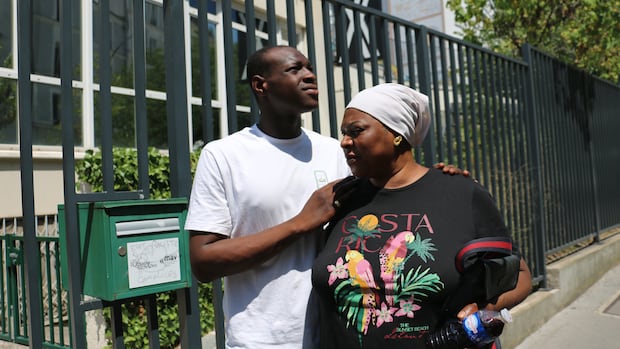
POLICY WIRE — Paris, France — French law enforcement agencies are once again under scrutiny following a damning report released last week. According to the findings, French police stand accused of systematically targeting Black and Arab youth, deploying discriminatory identity checks and issuing on-the-spot fines without sufficient cause. This assertion, leveled by a coalition of human rights organizations, paints a troubling picture of policing practices in France.
The report, compiled through a joint effort by Human Rights Watch, the French organization (RE)Claim, and the Community Centre for Development and Solidarity, outlines practices that, if substantiated, represent a significant breach of non-discrimination principles. These groups assert that the issue is not one of isolated incidents, but rather a pattern of behavior ingrained within certain segments of the police force.
Specifically, the report highlights two key instruments of this alleged systematic targeting: identity checks and on-the-spot fines. Identity checks, while a routine police power, become problematic when applied disproportionately based on perceived ethnic or racial characteristics. The accusation is that these checks are not random or intelligence-led, but rather focus on particular demographics. The imposition of on-the-spot fines, often accompanying these checks, further compounds the issue, potentially creating a punitive environment for specific communities.
The term “systematically target” in the report indicates an organized, or at least widespread and consistent, practice rather than sporadic actions by individual officers. This suggests that the issue extends beyond individual biases to potentially systemic or institutional problems within French policing structures. For Black and Arab youth, such practices can lead to regular harassment, a sense of alienation, and a profound distrust in law enforcement and the state.
The findings, though succinct in their initial release, carry significant weight given the stature of the contributing organizations. Human Rights Watch is an internationally recognized watchdog, known for its rigorous investigations into human rights abuses globally. Its partnership with local groups like (RE)Claim and the Community Centre for Development and Solidarity suggests a well-researched, community-grounded basis for these serious allegations.
📄 POLICY WIRE WHITEPAPER PUBLISHED: PAKISTAN'S NATIONAL SECURITY POLICY PRIORITIES
👉 READ BY CLICKING HEREThis is not an entirely new conversation for France. Concerns about racial profiling and police conduct towards minority groups have been raised for decades, frequently leading to public debate and, at times, social unrest. The current report re-injects these deeply contentious issues into the national discourse, pressing for renewed attention and concrete action to address what many consider to be long-standing grievances.
What This Means
The report’s claims, if ignored, risk further eroding trust between law enforcement and minority communities in France, potentially fueling social tensions. Allegations of systematic discrimination directly challenge the principle of equality before the law, a cornerstone of French republican values. For authorities, it raises an urgent question about the effectiveness of existing oversight mechanisms and the integrity of police training and accountability. the findings could prompt calls for independent investigations, legal challenges from civil society groups, and renewed public pressure for reforms in policing practices. Internationally, these allegations could impact France’s human rights standing, drawing attention from supranational bodies and fellow democracies. Ultimately, this report demands a response that goes beyond rhetorical denials, pushing for transparent, verifiable measures to ensure equitable policing for all citizens.