


Kyiv’s Grinding Resolve: Ukraine Braces for Another Winter of Darkness
POLICY WIRE — Kyiv, Ukraine — They’re already talking about the ice. Not the sort that sparkles on Christmas trees, but the insidious, power-killing kind. The conversation isn’t about if the lights...

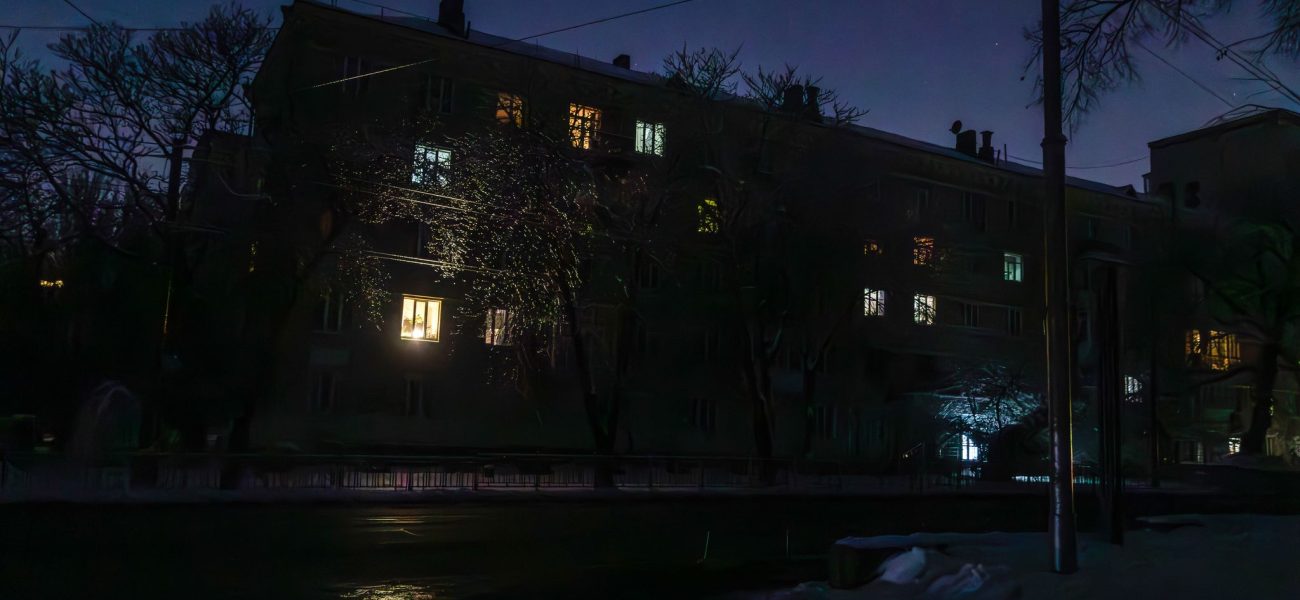
POLICY WIRE — Kyiv, Ukraine — They’re already talking about the ice. Not the sort that sparkles on Christmas trees, but the insidious, power-killing kind. The conversation isn’t about if the lights will go out this winter, but when, — and for how long. It’s a bleak sort of certainty, woven into the everyday fabric of a nation that’s spent years perfecting the art of sheer endurance.
Ukrainian energy behemoths, the folks who actually keep the nation’s electrons flowing, aren’t exactly sugarcoating it. They’re telling everyone to prep for the worst. It’s the third such season since the full-scale invasion kicked off, and what once felt like an emergency, a terrifying shock, has settled into a weary, gritted-teeth routine. Citizens are stocking up on everything from power banks to thermal underwear; generators have become an unfortunate home appliance in most households. It’s a stark reflection of modern warfare – less about dramatic front-line clashes, more about a slow, grinding attack on the very pulse of daily life.
And let’s be frank, this isn’t merely an ‘inconvenience.’ We’re talking about hospitals struggling to maintain operations, schools shutting down, entire communities plunged into darkness and bitter cold for extended periods. Imagine that, year after year. It messes with more than just comfort; it eats away at national morale, chips at economic recovery. It’s a strategic weapon, designed to break spirits rather than just infrastructure.
Herman Halushchenko, Ukraine’s Energy Minister, hasn’t shied away from the gravity of the situation. “We’ve learned a harsh lesson in resilience,” he reportedly stated recently, his voice, no doubt, reflecting the fatigue common to those on the front lines of bureaucracy. “But you can’t warm homes with courage alone. We need air defense, and we need spares—yesterday. The sustained assault leaves little room for maneuver; every component we replace is immediately vulnerable again.”
Meanwhile, the rhetoric from Brussels maintains its unwavering support, but with an underlying hum of weariness. Charles Michel, President of the European Council, touched on the issue in a recent statement: “Brussels remains committed to Ukraine’s security and energy independence. Yet, resources aren’t infinite, — and the winter ahead tests everyone’s limits, not just Kyiv’s. We must prioritize efficiency — and sustainable solutions while ensuring immediate relief.”
The numbers don’t lie. According to a United Nations Office for the Coordination of Humanitarian Affairs (UNOCHA) report from late 2022, nearly 50 percent of Ukraine’s energy infrastructure had already suffered significant damage. That’s a mind-boggling figure, — and the hits just keep on coming. Because winter, you see, isn’t just cold; it’s an unforgiving ally of destruction when grids are already compromised. They just amplify the problem, don’t they?
📄 POLICY WIRE WHITEPAPER PUBLISHED: PAKISTAN'S NATIONAL SECURITY POLICY PRIORITIES
👉 READ BY CLICKING HEREThis prolonged stress on Ukraine’s grid also casts a long shadow across other developing nations, particularly those grappling with their own systemic energy woes. Take Pakistan, for instance, a nation often plunged into crippling blackouts due to chronic underinvestment and economic pressures. They understand, intimately, what it means for basic life to grind to a halt because the power just… isn’t there. For Islamabad, the challenge is endemic; for Kyiv, it’s deliberately inflicted, but the human cost? Much the same. Both represent a form of acute energy precarity, albeit driven by vastly different origins.
What This Means
The anticipated Ukrainian winter offensive against its own energy sector – really, a defensive scramble – carries layered implications. Politically, it’s a direct test of Western resolve. Can Europe, already navigating its own energy security conundrums, after a summer that shattered illusions of climate immunity, continue to provide the level of financial and material aid needed for round-the-clock grid repair and defense? The aid fatigue narrative is always bubbling just beneath the surface. Economically, repeated blackouts throttle what little remains of the Ukrainian economy, delaying any semblance of recovery. Industrial output plummets, agricultural processing struggles, — and small businesses face existential threats. And socially, it entrenches a deep-seated trauma, a collective experience of enduring hardship that will undoubtedly shape generations to come. But then, as we’ve seen, people adapt, they find ways. They always do. This isn’t just about kilowatts; it’s about collective memory, forged in the dark.