
World Cup’s Expanded Canvas Paints Early Busts and Dark Horses
POLICY WIRE — Houston, United States — They said more teams meant more chances, a softer landing for the usual suspects. A broader embrace, they pitched. But the 48-team FIFA World Cup’s group...

POLICY WIRE — Houston, United States — They said more teams meant more chances, a softer landing for the usual suspects. A broader embrace, they pitched. But the 48-team FIFA World Cup’s group stage, just concluded, ripped up that script with relish. Far from a gentle preamble, it’s been a brutal weeding-out, exposing the raw nerves of football’s titans and catapulting unexpected contenders onto the global stage.
It wasn’t supposed to feel like this. The anticipation was that a padded schedule, an extra cushion here and there, would simply usher the usual powerhouses into the knockout rounds with minimum fuss. And sure, some did—like a finely tuned machine, others simply crashed. Reputation, it turns out, don’t mean a thing when the whistle blows.
The Unexpected Climbers & Quiet Conquerors
France, of course. Those lads, they don’t mess around, do they? They tore through Group I with a perfect nine points — and an astounding +8 goal difference. That’s a stark figure, a clear statement. Didier Deschamps, the perpetually unruffled manager, offered a measured perspective. “We always take it one game at a time,” he said, likely with that characteristic slight smirk. “But what you see on the field, that’s just us doing our job. We respect everyone, but we fear no one.” They’re now the team to beat, heading into the Round of 32 like a runaway freight train. England, too, handled their business; professional, efficient. But they’ll face tougher challenges.
Then there’s the Netherlands, who navigated their group with a quiet menace, a +6 goal difference proving their balance. But the real storyline for much of the Muslim world, frankly, comes from Morocco. These guys, they’ve proven their mettle again. Finishing level on seven points with Brazil in Group C? That’s no small feat. Their defensive cohesion, an absolute marvel, continues to frustrate top-tier attacks. “It’s about more than just football for us,” explained a beaming Hakim Ziyech after their qualification was sealed. “It’s about pride, for our country, for our people. We’ve shown the world what we’re capable of.” They’ve got a whole region cheering for them, an undeniable force of national identity, and are a massive shot in the arm for footballing ambitions across North Africa.
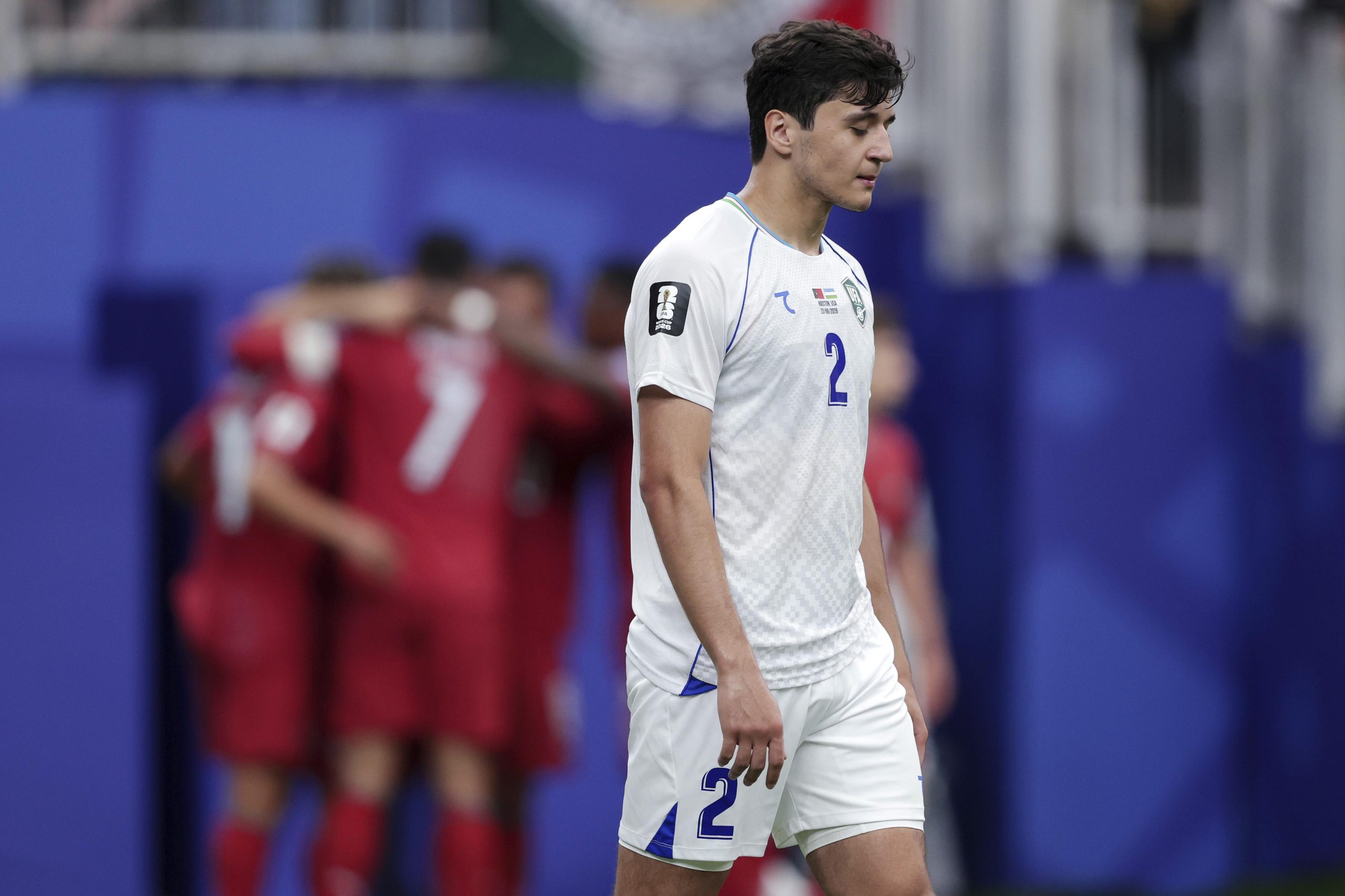
And then there’s DR Congo. They’ve captured hearts, frankly. Their spirited 3-1 comeback victory against Uzbekistan secured their spot, a stunning display of pure, unadulterated grit. Don’t sleep on them.
The Stumblers & Sudden Exits
Portugal. Oh, Portugal. Qualified, yes, but only just. Second behind Colombia, with just one win and two draws, including a truly forgettable scoreless effort on the final day. The fluency just wasn’t there, a stark contrast to the individual brilliance on paper. Roberto Martínez, their coach, couldn’t mask the frustration. “We need to regroup, simple as that. The talent is there, but the execution… it has to be better. We’re in the knockouts now; there’s no more room for error.” They face Croatia. Yikes.
Belgium scraped through their group, but the word ‘uninspiring’ kept coming up. Too many missed chances, too much slowness in possession. They’ll need to transform themselves. Because let’s be real, a lucky escape ain’t going to cut it deep into the tournament.
And then the brutal honesty of the exits: Tunisia, Iraq, Uzbekistan. Total wipeouts. Tunisia lost all three, conceded twelve goals. Just brutal. Iraq suffered similarly, a crushing 5-0 loss to Senegal summarizing their despair. For Uzbekistan, the tournament was a harsh reality check. Three defeats, a -9 goal difference, — and a devastating loss to DR Congo sealed their fate. They arrived with high hopes for Asian football but left quickly. It’s a bitter pill, demonstrating the immense gulf in resources and infrastructure that still plagues many aspiring nations outside of traditional power centers, particularly in South Asia where even qualifying remains a distant dream for teams like Pakistan. But it’s not just a skill issue; sometimes, it’s about having a structure that can consistently nurture and retain talent in a globally competitive market.
What This Means
This isn’t just about football, is it? Not when an event captures billions. An expanded World Cup was designed to be inclusive, a grand festival, but what we’ve witnessed is a global spectacle that can just as easily humble as it can elevate. For nations like Morocco, this journey injects immense national pride, a significant boost to their soft power on the international stage. It might even spur greater governmental and private investment in sports infrastructure, hoping to capitalize on the feel-good factor and sustained international visibility. They’ve captured the global imagination; think of the economic spin-offs, the tourism potential, the sheer morale boost that permeates everything.
Conversely, for countries like Portugal or Belgium, underperformance—even when they scrape by—sends shivers through their fan bases and potentially impacts their football federations. It sparks internal debates about player selection, coaching, — and long-term strategy. The economic impact could be felt in areas like sponsorship deals or merchandise sales. But because it’s sport, redemption is always around the corner. Or the cruel lottery of penalty shootouts looms. Even the mere participation for nations like Uzbekistan, despite the outcome, provides valuable exposure and experience that might eventually, one hopes, trickle down to grassroots development.
The early rounds of this World Cup haven’t just reshaped the tournament bracket; they’ve also subtly shifted narratives about who belongs at the top table, and how brutal the journey can be for anyone who fancies a seat.