


Keir Starmer Resigns Amid Unprecedented UK Political Instability
POLICY WIRE — LONDON, UK — Six prime ministers in ten years — the raw statistic alone paints a stark picture of the tumult engulfing British p...

POLICY WIRE — LONDON, UK — Six prime ministers in ten years — the raw statistic alone paints a stark picture of the tumult engulfing British politics. The UK now grapples with its most rapid political leadership turnover in nearly two centuries, a testament to the profound challenges confronting its government and the electorate. The latest chapter in this saga unfolded Monday morning.
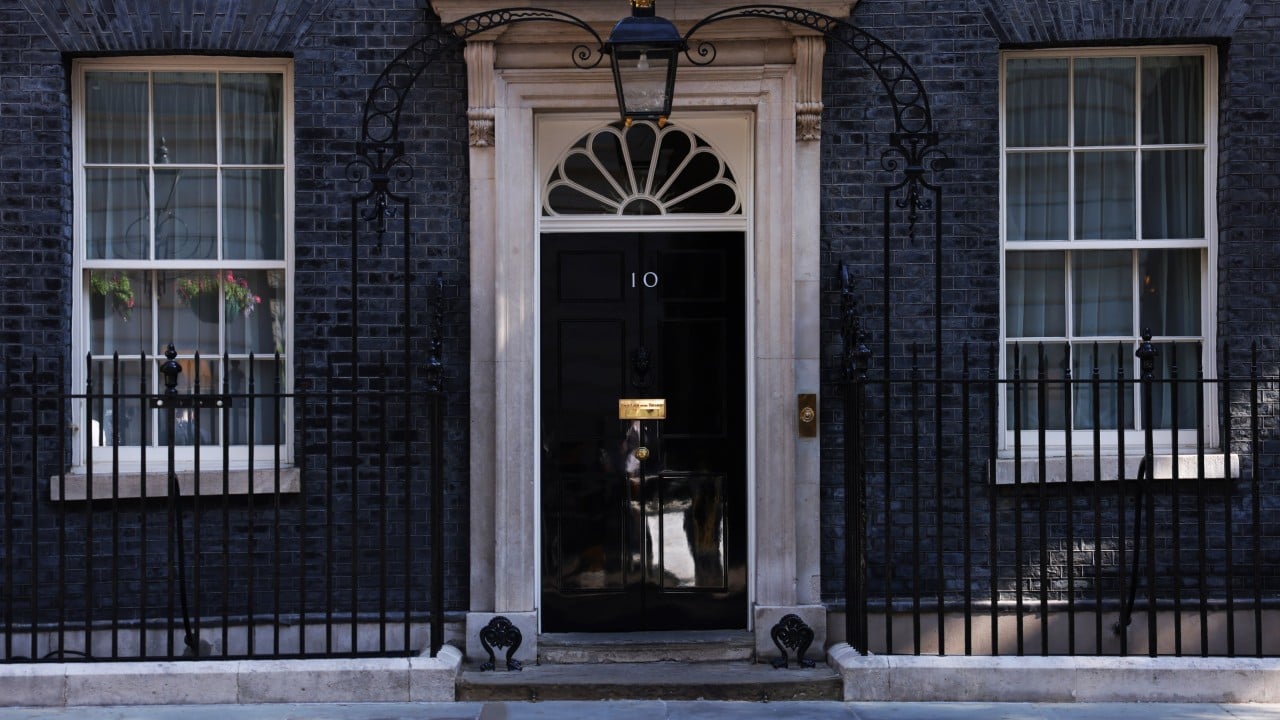
On a bright Monday, Keir Starmer, flanked by his staff — and wife, emerged onto Downing Street. His voice, described as ‘thick with emotion,’ conveyed a palpable sense of the moment as he declared he was no longer the right person to lead Britain.
The abrupt departure marks yet another seismic shift in a decade defined by them.
Starmer’s tenure proved surprisingly brief, lasting less than two years, despite an initial victory that saw him clinch one of the largest landslides in British political history. This swift exit positions him as the sixth leader to resign in the past decade, underscoring a deep-seated fragility within the country’s political fabric. It’s a rate of turnover that hasn’t been witnessed since the early 19th century.
Like the string of predecessors who faced similar fates, Starmer ultimately found himself unable to mitigate the mounting popular anger simmering over living standards. This issue, consistently highlighted in public discourse and polling data, appears to be a common thread linking the downfalls of recent British leaders, each grappling with an increasingly frustrated populace.
The pattern suggests an inherent difficulty in steering the nation through what many perceive as a period of profound economic and social strain. The demands placed on leadership — to deliver tangible improvements in everyday life — have seemingly become insuperable, leading to a revolving door at the top of government. The emotional farewell on Downing Street serves as a vivid reminder of the personal toll these relentless political pressures exact on those who assume the highest office. (Reporting based on wire reports)
What This Means
The rapid succession of leaders in Downing Street raises fundamental questions about the stability and efficacy of British governance. Such high turnover can impede long-term policy development, project an image of instability on the international stage, and erode public trust in political institutions. Each new leader typically brings a revised agenda and a new cabinet, creating an environment where consistent, multi-year strategies — particularly on complex issues like living standards — struggle to take root.
For the average Briton, this political churn can manifest as policy whiplash, making it difficult to anticipate economic trajectories or governmental priorities. The cycle of high expectations followed by perceived failure seems to be driving public disaffection, leading to the rapid repudiation of elected officials, regardless of their initial mandate. The ongoing struggle with ‘popular anger over living standards’ indicates that, for many, the core issues of economic well-being remain unaddressed despite changes in leadership. How a new leader will break this pattern, or if the underlying structural challenges of the British economy and political system will simply subsume the next incumbent, remains a critical and open question.