

Real Madrid’s Audacious Gamble: Mourinho Returns to Rekindle Fire, Global Ambitions
POLICY WIRE — Madrid, Spain — Florentino Pérez, the man who often treats the Santiago Bernabéu like his personal chess board, has done it again. Not content with mere managerial rotations, Real...

POLICY WIRE — Madrid, Spain — Florentino Pérez, the man who often treats the Santiago Bernabéu like his personal chess board, has done it again. Not content with mere managerial rotations, Real Madrid’s president opted for a full-blown reunion, hauling Jose Mourinho back into the dugout after more than a decade. It’s a calculated gamble, plain and simple, betting on a controversial figure to restore the club’s sheen after what some whisper were — gasp! — two trophyless seasons. For a club that sees anything less than dominance as utter catastrophe, that’s practically an eternity.
Mourinho’s previous stint here was an electrifying, if ultimately tumultuous, affair. He ruffled feathers, he won titles, he burned bridges. But, crucially, he left an indelible mark. And when Madrid needs shaking up, Pérez often opts for dynamite over diplomatic discussions. This time, he didn’t even pretend it was a soft re-entry.
“We don’t do second chances for just anyone,” Pérez is reported to have remarked privately, a sentiment he’s been known to express about other high-stakes decisions. “But when you talk about sheer will — and the silverware that commands respect, Jose’s record speaks for itself. It’s about setting a standard, shaking the foundations when they’ve grown a bit too comfortable.” That’s Pérez for you—ever the pragmatist, cloaking an emotional bet in cold, hard numbers.
The ‘Special One’ wasted precisely zero seconds getting his hands dirty this summer. We’re talking four fresh faces signed up before June even packed its bags. He’s back, alright, — and he’s clearly decided a softly-softly approach just isn’t his style. They say you can never go home again, but try telling that to Mourinho – he’s already redesigning the furniture and probably reorganizing the trophy cabinet.
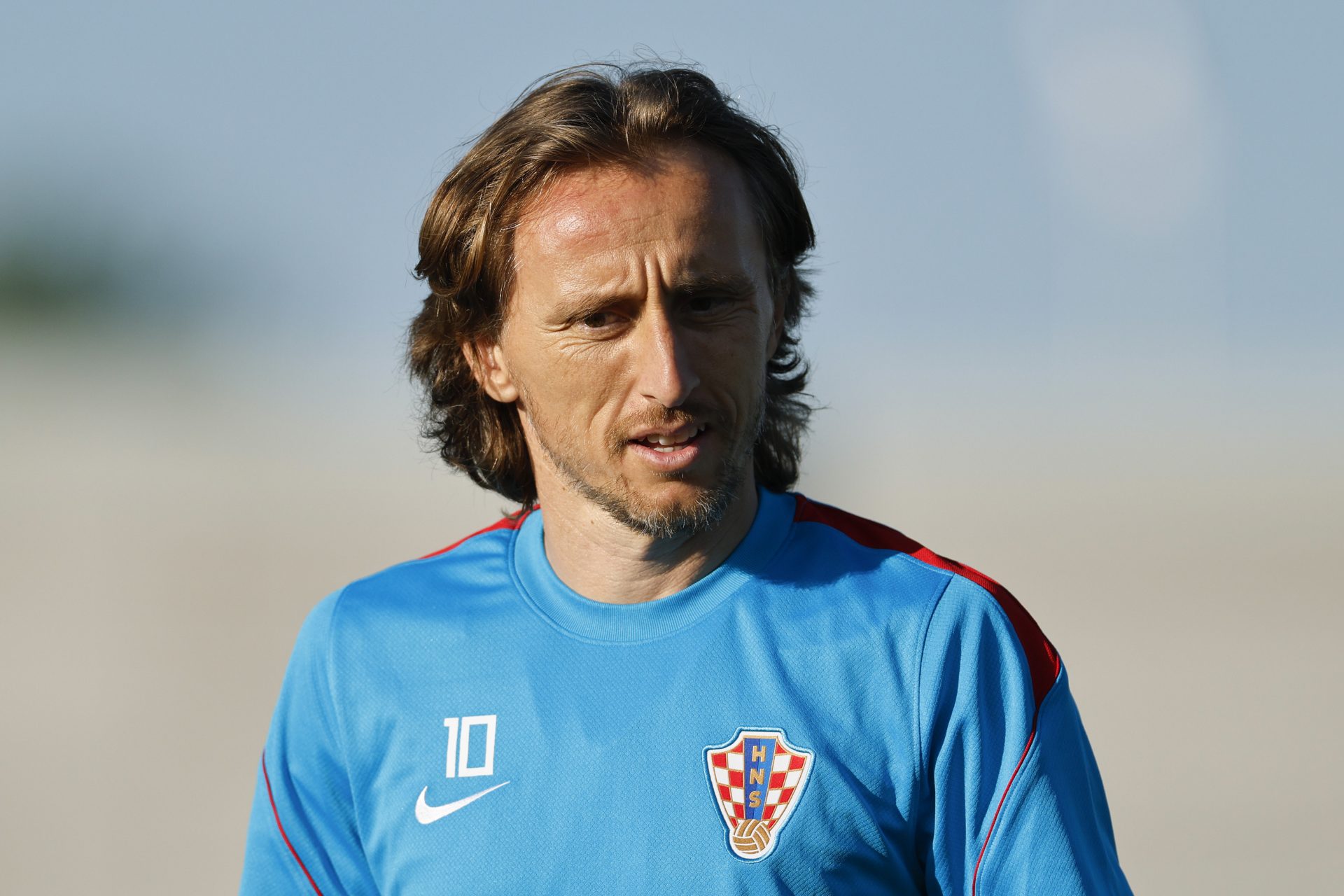
One voice, though, cuts through the boardroom politics — and fan chatter with genuine affection: Luka Modric. The Croatian maestro, now practically a Real Madrid deity, still holds a candle for his old gaffer. “Mourinho’s return to Real Madrid? I wish him all the best. He is a great personality and one of the best coaches in the world, and I have a special affection for him,” Modric stated, his words doing the rounds on a number of Middle Eastern sports outlets like RM4Arab, confirming what many already suspected. That personal connection isn’t just nostalgia; it’s a critical endorsement from one of the dressing room’s undisputed elders. Mourinho, after all, was the man who brought Modric to Madrid, kicking off a Champions League dynasty.
But how does a manager who often thrives on us-against-the-world mentality navigate a second act? Especially when he’s returning to a place where he was both adored and, let’s be honest, often vilified? And it’s not as if he’s walked into a perfectly stable operation. The squad is different. The football landscape, with Saudi millions swirling — and new powers emerging, feels almost unrecognizable. Yet, some things never change: the gargantuan expectations tied to that white shirt.
And let’s not forget the sheer global pull of Real Madrid. This isn’t just about winning La Liga; it’s about maintaining a planetary brand. Look at markets like Pakistan and across the wider Muslim world, where European football, particularly Real Madrid, isn’t just a weekend pastime. It’s a passion, a lifestyle, a cultural touchstone. The club, according to sources familiar with their global fan metrics, boasts a staggering number of followers in South Asia, likely a strategic demographic for any global brand. So, when Pérez pulls a string in Madrid, the vibrations are felt from Lahore to Casablanca. A divisive figure like Mourinho can either galvanize this massive following or, if things go south, risk alienating a significant portion of it. Because football, at this level, is very big business. Just ask anyone who watched the World Cup’s cruel lottery play out; the stakes are always astronomical.
What This Means
Mourinho’s comeback is less about sentiment — and more about strategic resuscitation. Economically, a successful Real Madrid under Mourinho translates directly into boosted merchandise sales, enhanced global sponsorship appeal, and a strengthened broadcast reach – especially in those rapidly expanding fan bases across Asia and the Gulf states, where viewership often hinges on star power. His contentious personality might irk some traditionalists, but it certainly sells headlines and drives engagement, a non-negotiable metric in modern sports. Politically speaking (within the football world, anyway), Pérez’s move solidifies his image as a president unafraid to make bold, even unpopular, decisions for what he perceives as the club’s greater good. He’s signaling an intent to re-establish an era of unyielding competitiveness, no matter the internal friction. For a club that recorded over €831 million in operating revenue last year, according to Deloitte’s Football Money League, the commercial imperative behind winning is never far from the surface. It’s not just a sport; it’s a global enterprise with geopolitical echoes.