


Dust and Deception: New Mexico’s Erratic Storms Mask a Deeper Climate Crisis
POLICY WIRE — Albuquerque, New Mexico — It’s a cruel taunt from Mother Nature, this dance between dust storms and sporadic downpours. Even as meteorologists predict rain across parts of New...

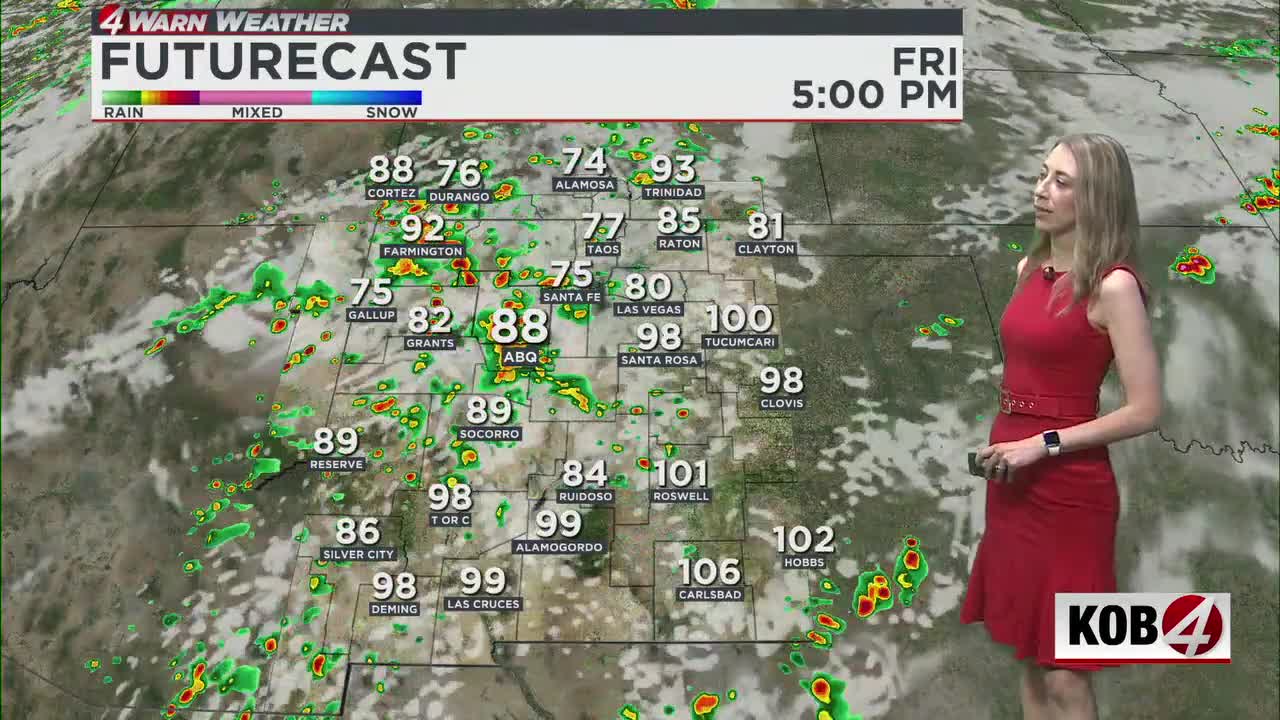
POLICY WIRE — Albuquerque, New Mexico — It’s a cruel taunt from Mother Nature, this dance between dust storms and sporadic downpours. Even as meteorologists predict rain across parts of New Mexico this Friday, promising a momentary break from the relentless sun, the real story here isn’t relief—it’s the chronic, simmering dread of what these transient weather events really signify: a climate teetering on the edge, constantly demanding more from an already parched landscape.
For weeks, the high desert has been baking. But a few days ago, like some cosmic switch flipping, the clouds grudgingly coughed up a fraction of what’s needed. Albuquerque’s Sunport registered a paltry 0.26-inch of rain yesterday, a mere drop in the vast, thirsty bucket that’s New Mexico’s hydrological deficit. Some remote pockets supposedly got nearly two inches, a geographical lottery that leaves most staring at the same cracked earth. It’s a tease, really. Because Friday, the storm coverage, though present, isn’t going to be ‘expansive’—just spotty, leaving wide swaths still gasping.
Forecasts chatter about showers — and storms popping up again, mainly in the afternoon and evening. Westward regions will see them first, then a slow, reluctant trek east-northeast. Folks in central and western New Mexico, they’ll contend with wind gusts up to 50 mph before any drops actually hit, kicking up that familiar plume of dust – a desert’s advance warning. A low-end severe threat lingers for far eastern parts, with gusts hitting 60-65 mph and the odd hailstones threatening to dent vehicles and spirits. And because nature loves to keep us guessing, rainfall amounts? Totally unpredictable, once again.
But before any of that supposed ‘cool-down’ arrives, we’re set for another dose of heat. Temperatures are set to climb back into the 90s across most of the state, some fortunate spots perhaps catching the tailwind of earlier rain for a brief respite in the 80s. A handful of towns way down south could still breach the low 100s. It’s relentless. The UV Index is predicted to hit a blistering 13 at solar noon—the highest in the entire country for the umpteenth time this season—forcing everyone indoors, if they can even afford the luxury of air conditioning.
“We can’t confuse these isolated downpours with meaningful drought amelioration,” stated Dr. Elena Ramirez, New Mexico’s Director of Environmental Protection, in a recent briefing. “They’re more akin to putting a band-aid on a gaping wound. The larger trends, they’re still moving in an incredibly concerning direction. We’re in a continuous battle, not just against the immediate dryness, but against a much bigger pattern of atmospheric instability.” It’s a stark reality check that policy makers, perpetually caught between immediate crises and long-term planning, frequently choose to ignore or—worse—misinterpret for political expediency. And the weekend? It just looks like more of the same that we’ve tragically gotten used to.
The Mayor of Santa Fe, Javier Salazar, sounded equally wary during a recent community address. “Every time we get a decent cloudburst, there’s this immediate wave of relief. You hear it, you see it. But that feeling, it’s fleeting. It’s not solving our fundamental water security problem, not by a long shot. We need systemic, regional strategies. We can’t just cross our fingers and hope for the best when our reservoir levels are screaming a different tune.” He isn’t wrong; these localized deluges, while temporarily turning the high desert floor a surprising shade of green, do little to replenish major aquifers or secure the state’s future water supply, particularly for agriculture and burgeoning urban populations.
What This Means
The erratic nature of New Mexico’s monsoon season—sporadic, often intense, but rarely widespread—poses a persistent governance challenge. It’s not just a weather report; it’s a political barometer. State agencies tasked with water management and disaster preparedness are perpetually playing catch-up, their resources stretched thin by localized flood warnings juxtaposed against statewide drought declarations. This meteorological whiplash makes long-term policy formulation exceptionally difficult, diverting funds from systemic solutions to emergency responses. Economically, this unpredictability affects everything from crop insurance rates for the state’s agricultural sector to the stability of tourism, particularly outdoor recreational activities dependent on consistent environmental conditions.
But it isn’t an isolated American anomaly, this climate drama unfolding in the American Southwest. Look further east, across continents to places like Pakistan, for instance. A nation profoundly dependent on the glacial meltwater of the Indus River system, Pakistan routinely navigates its own brutal environmental pendulum. One year, they’re grappling with unprecedented, devastating floods that displace millions and obliterate infrastructure. The next, agricultural regions languish under severe drought, forcing internal migration and exacerbating economic precarity. Both New Mexico and Pakistan, despite their vast geographical and cultural distances, find themselves bound by a similar, desperate struggle: how to manage finite water resources and build resilient societies in an era of accelerating climate volatility. Their respective predicaments, therefore, serve as stark lessons, reminding global leaders that these localized weather ‘events’ are really chapters in a much larger, increasingly urgent saga that transcends national borders.