
G7 Leaders Fail to Forge United Front on China’s Economic Challenge in France
POLICY WIRE — Paris, France — Hopes for a coordinated global economic strategy often face the harsh realities of geopolitical currents. Such was the...

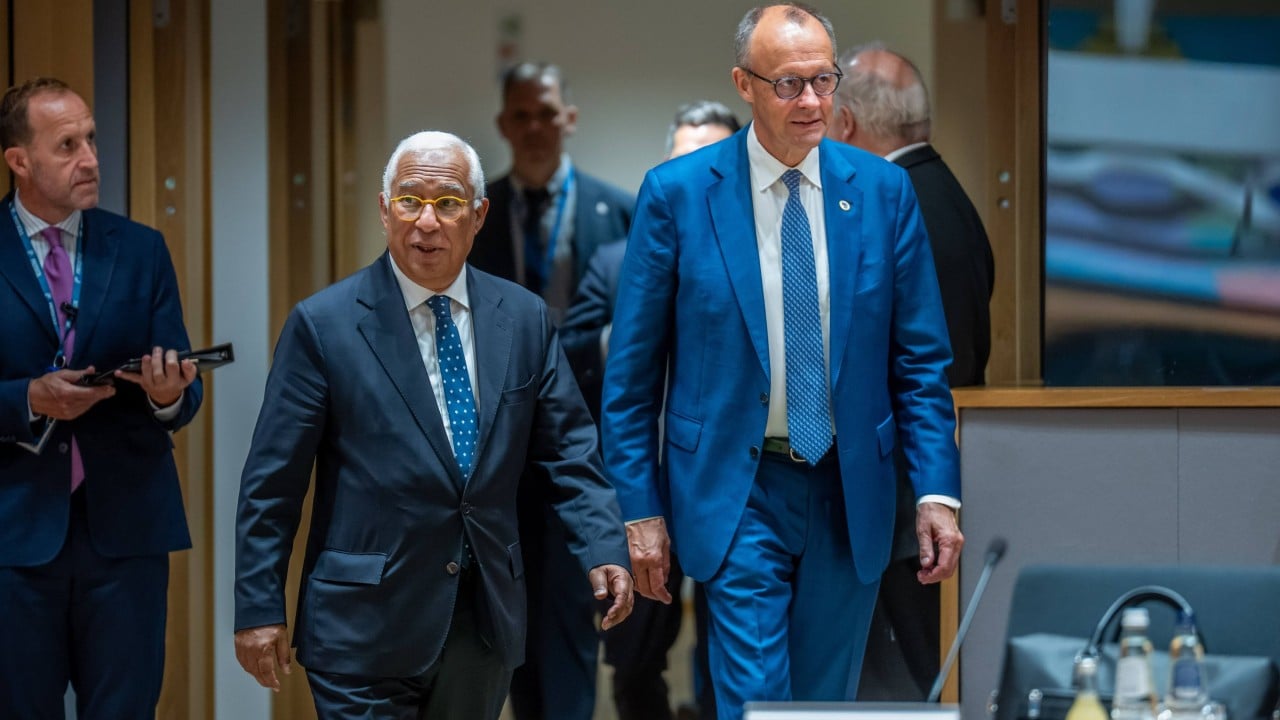
POLICY WIRE — Paris, France — Hopes for a coordinated global economic strategy often face the harsh realities of geopolitical currents. Such was the case at a recent Group of Seven (G7) summit held in France, where leaders of the world’s most affluent democracies had ostensibly aimed to present a cohesive and united front against China’s escalating economic influence. Yet, these ambitions were ultimately undermined, yielding a gathering described by wire reports as ‘lacklustre.’
The G7’s strategic agenda, particularly concerning Beijing, was overshadowed by significant international challenges. Ongoing conflicts in Iran and Ukraine diverted considerable attention and political capital, creating a complex backdrop for discussions. Adding to the friction was the unpredictable demeanor of then-U.S. President Donald Trump, whose mercurial approach further complicated efforts to find common ground among the alliance (Reporting based on wire reports).
Central to the G7’s desired unified stance was the intention to address what has been termed the ‘China shock 2.0.’ This economic phenomenon refers to persistent issues like China’s alleged industrial overcapacity and currency manipulation, which are widely believed to be fueling a surge of Chinese exports into European markets. Despite the clear economic concerns, the summit concluded without any public agreement on how to effectively counter these perceived challenges, leaving the anticipated ‘united front’ unformed.
What This Means
The absence of a concrete public agreement at the G7 summit highlights the intricate web of pressures influencing global economic policy. While European nations and others within the G7 clearly share concerns regarding China’s trade practices, particularly its export-driven economy and allegations of market distortions, achieving consensus remains elusive. The dual impact of critical geopolitical flashpoints, such as Iran and Ukraine, coupled with internal disagreements—or the challenge of aligning with a U.S. administration exhibiting a more nationalistic foreign policy — demonstrates the fragmentation of what was once a more cohesive alliance.
This failure to solidify a joint approach suggests that individual nations or smaller blocs within the G7 may continue to pursue separate, often divergent, strategies for engaging with or countering China’s economic might. Such an uncoordinated response could diminish the collective leverage of the G7, potentially enabling China to navigate international pressures more effectively by exploiting divisions. The path forward for addressing ‘China shock 2.0’ appears to be less a unified charge and more a fragmented series of bilateral and regional efforts, underscoring the deep political rifts within the established global economic order.