


Tremors and Treaties: EU’s ‘Soft Power’ Play Rocks Venezuela’s Isolation
POLICY WIRE — Caracas, Venezuela — For years, the Caribbean breeze carried little but the chill of diplomatic frost between Caracas and much of Europe. Then, the ground moved. A powerful tremor...

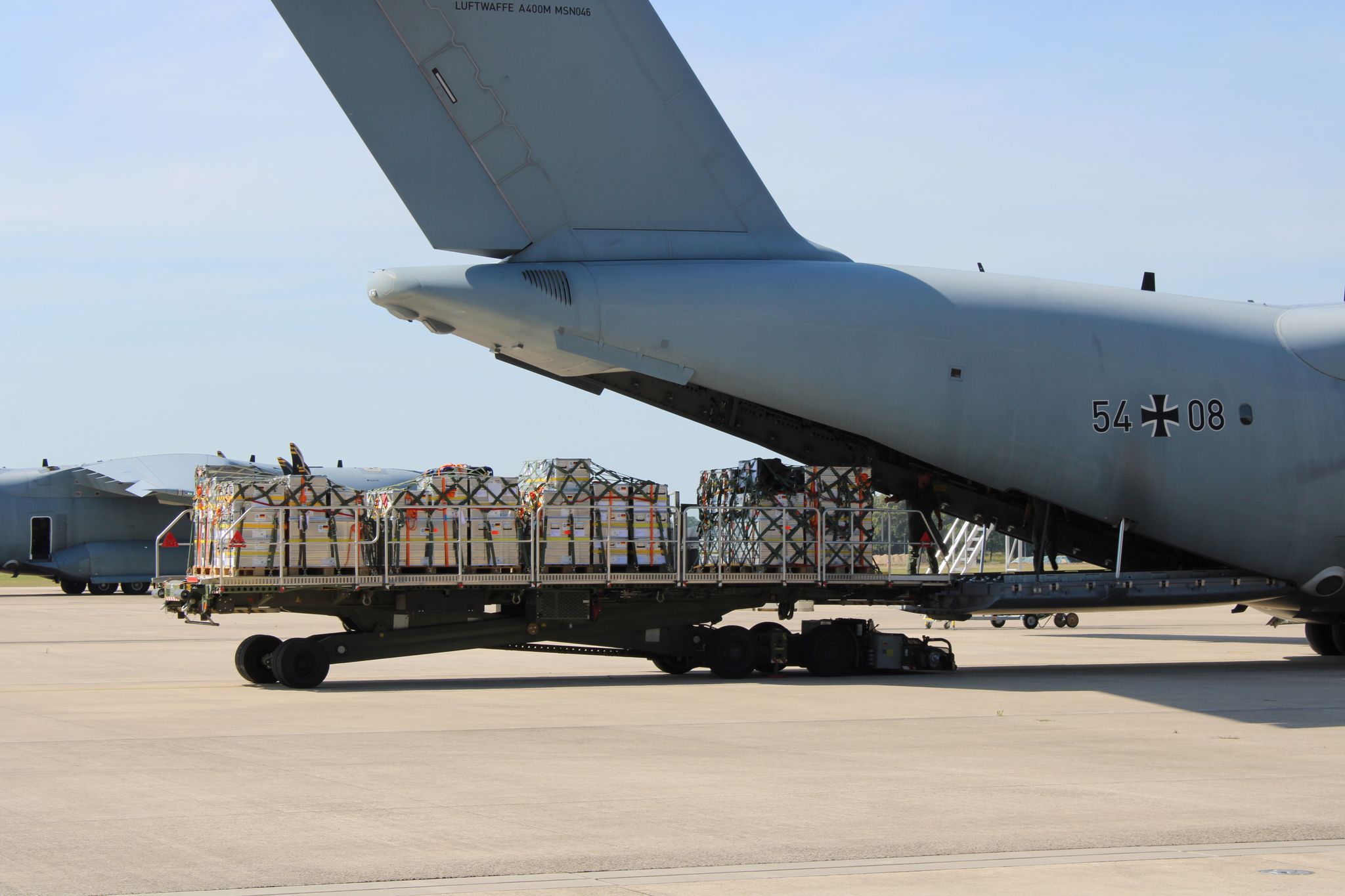
POLICY WIRE — Caracas, Venezuela — For years, the Caribbean breeze carried little but the chill of diplomatic frost between Caracas and much of Europe. Then, the ground moved. A powerful tremor ripped through Venezuela, flattening communities, — and just like that, the air changed. Suddenly, the staid diplomats of the European Union, who’d mostly kept their distance—sanctions and rhetoric filling the void—were rushing planes loaded with specialists and supplies into a nation often considered an pariah state.
It’s not just a kindness, is it? Call it what you want: humanitarian duty, crisis response, a genuine outpouring of sympathy. But when hardened foreign policy observers watch the speed with which European nations mobilized—France, Germany, Spain all scrambling resources—they see something else entirely. They see a calculated political overture, a sophisticated game of chess played out against a backdrop of suffering. The earthquake, as cruel as it was, provided an improbable opening, a nation already teetering on its deepest fault lines, suddenly receptive.
The regime of Nicolás Maduro, no stranger to international condemnation and crippling sanctions, quickly, perhaps surprisingly, welcomed the foreign contingents. “This is about human solidarity, nothing more, nothing less,” declared Venezuelan Foreign Minister Jorge Arreaza, his voice echoing through state media. “We accept assistance from any nation willing to stand with our people in this moment of need. It’s not about politics; it’s about life — and dignity.” A smooth statement, almost too smooth, some might argue. Because every shipment of aid, every specialist deployed, chips away at Venezuela’s long-standing diplomatic isolation, offering an avenue for dialogue that no amount of stern EU communiqués ever could.
And Brussels? They’re playing it straight-faced. Josep Borrell, the EU’s High Representative for Foreign Affairs, reiterated the Union’s stance. “Our commitment is to humanitarian principles — and the welfare of the Venezuelan people. This isn’t about endorsements; it’s about responding to immediate suffering, and it underscores the EU’s enduring role as a global humanitarian actor, regardless of political differences.” He wasn’t wrong, of course. But you could almost taste the subtext—the chance, however faint, to re-establish some semblance of official rapport. Perhaps even to remind Maduro’s inner circle that the EU, for all its previous bluster, could also be a quiet partner.
Venezuela, already reeling from years of hyperinflation and an exodus that’s seen over 7.7 million citizens flee the country (UNHCR data as of September 2023), certainly needed the help. Buildings, already fragile, collapsed like houses of cards. Infrastructure, long neglected, simply gave way. Aid, from whomever it came, was going to be embraced—or at least accepted, begrudgingly or otherwise. But for the EU, it’s also about a different kind of calculation. A region riddled with instability doesn’t just destabilize itself; it ripples outward.
But how does this play elsewhere? Consider Pakistan, for instance. A country that’s seen its share of natural disasters—devastating earthquakes and floods—knows well the double-edged sword of international assistance. While desperately needed, aid often arrives entangled with geopolitical threads, sometimes strengthening alliances, other times exacerbating internal political fault lines as factions squabble over distribution and credit. The Pakistani government, like Venezuela’s, has learned to navigate this tightrope walk, balancing sovereignty with dire humanitarian necessity. It’s a game developing nations across South Asia and the Muslim world play constantly, making shrewd calculations even in their darkest hours.
This whole episode forces us to confront a pretty cynical truth: disaster, while horrific, can sometimes clear the deck for diplomacy. Years of frozen relations can thaw under the intense heat of shared calamity. It’s not pleasant to admit, but human suffering, particularly when televised and widely reported, creates a convenient pretext for powerful entities to revisit strategies without losing face. No grand negotiations were announced, no trade deals inked, but the pathways—the *human* pathways—are reopening. And that’s what matters in the long run.
What This Means
This isn’t merely a rescue mission; it’s a recalibration. Economically, even modest European aid inflows offer a temporary reprieve and some foreign exchange, but the bigger picture involves potential long-term investment down the road. If stability follows the immediate crisis, European businesses, wary for years, might view Venezuela differently. Politically, the aid creates goodwill. For Maduro, it’s a quiet legitimization—a moment where former adversaries extend a helping hand, signaling a subtle softening of absolute opposition. For the EU, it’s a tactical success in regional influence, an alternative to solely relying on U.S. foreign policy, which has been less nuanced in its approach to Caracas. It also subtly repositions the EU as a player, not just a sanctioner. The immediate tremors may cease, but the aftershocks in the diplomatic arena could resonate for years. They’re making connections, not just rescues, — and that’s something worth keeping an eye on.