
Caracas’s Shaky Ground: A Nation Teeters as Quake Exposes Venezuela’s Deepest Fault Lines
POLICY WIRE — CARACAS, VENEZUELA — The rumble beneath Caracas wasn’t merely the earth shifting its plates; it was the echo of a nation’s accumulated anxieties, amplified and brought...

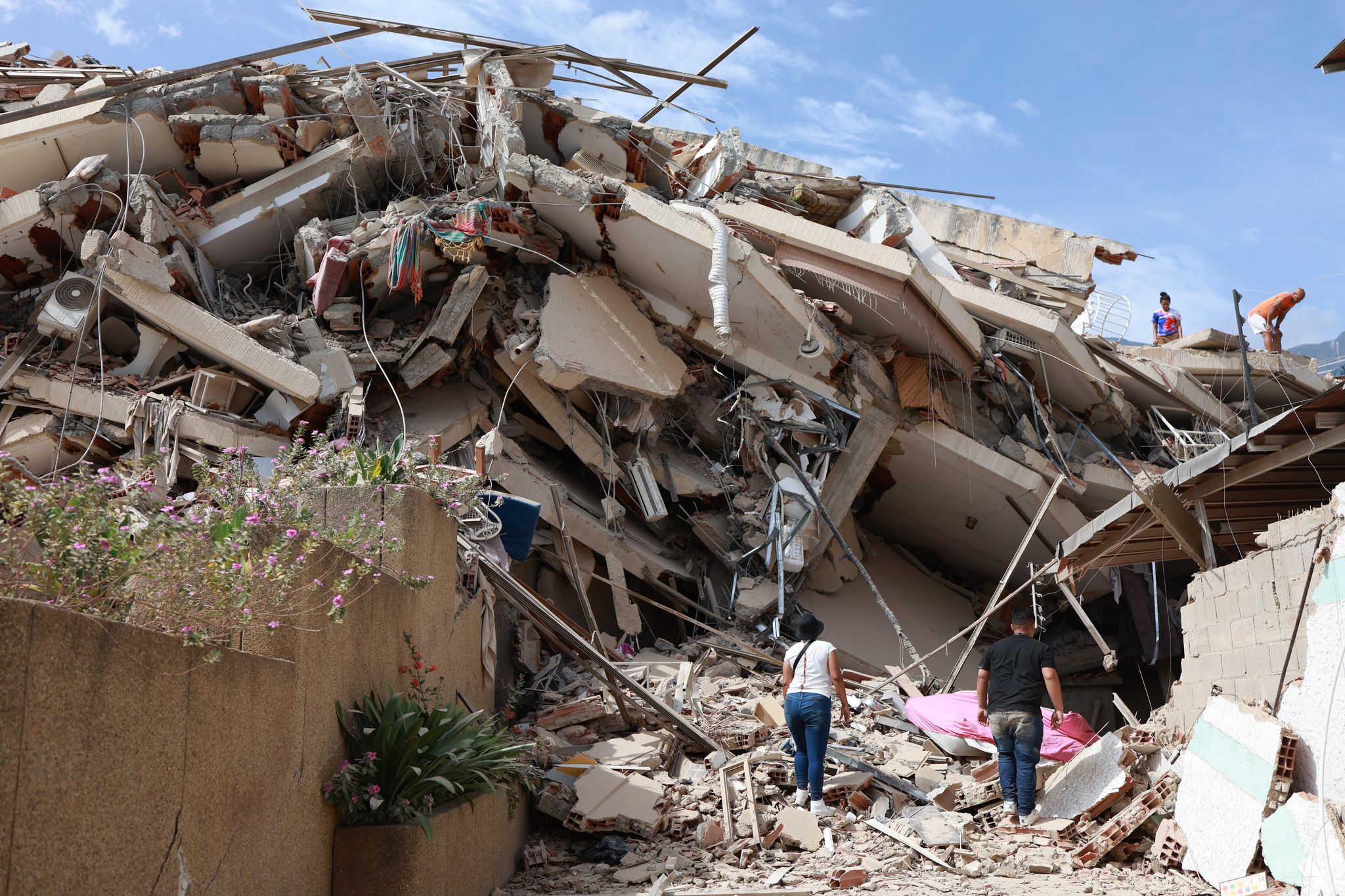
POLICY WIRE — CARACAS, VENEZUELA — The rumble beneath Caracas wasn’t merely the earth shifting its plates; it was the echo of a nation’s accumulated anxieties, amplified and brought crashing down. While international headlines lament a rising death toll—now at a grim 589 lives lost, with nearly 3,000 injured—the real story, always, begins deeper, buried beneath the ruble of pre-existing systemic decay.
It’s not just buildings that crumbled when the magnitude 7.0 temblor ripped through the coastal regions; it’s the thin veneer of normalcy, already stretched taut by years of economic collapse and political infighting. The rescue operations, slow and under-resourced, have quickly morphed into grim recovery efforts, unearthing more than just bodies—they’re uncovering the full extent of an infrastructure designed for better times, or perhaps, for no times at all.
Venezuelan President Nicolás Maduro, visible and solemn on state television, declared three days of national mourning, portraying the catastrophe as an existential challenge for his people. “This isn’t merely a natural disaster; it’s a test of our unwavering spirit against overwhelming odds,” Maduro stated, his voice resonating with an uncharacteristic blend of sorrow and defiance. “We battle this tragedy even as some nefarious powers continue their relentless campaign to destabilize our sovereignty.” He didn’t name names, but everyone understood the subtext: Uncle Sam, always hovering.
But for critics — and aid agencies on the ground, the narrative is starkly different. “The infrastructure was crumbling long before the earth moved,” an exasperated Dr. Ricardo Chávez, a medical director with a European relief organization, lamented to Policy Wire. “Now, whatever international aid manages to navigate the labyrinthine import bureaucracy—and it’s precious little, frankly—is just a fleeting bandage on a gaping, self-inflicted wound. People are dying from a lack of medicine and facilities that were gone before the first tremor hit.” It’s hard to argue with that when you see the state of hospitals, if you can even call them that.
The earthquake hasn’t merely shaken buildings; it’s shaken a political establishment struggling to project strength amidst fragility. For years, Venezuela has grappled with an economy in freefall, exacerbated by international sanctions and deep-seated corruption. Food — and medicine shortages, once a chronic symptom, have become an acute crisis in the quake-affected areas. And the world watches, some with genuine concern, others with a calculated skepticism.
Because, for all the global expressions of sympathy, concrete aid pledges from many Western nations have been conspicuously slow, tempered by Venezuela’s contentious international relations and questions about how funds might be managed. The historical precedence isn’t great—think back to how similar aid challenges have plagued disaster zones in, say, Pakistan, where logistical hurdles and governance issues have routinely complicated humanitarian access and distribution. This time, it’s Venezuela’s turn in the international spotlight, but it’s a familiar tragedy of aid, politics, and a desperate populace. After all, the challenges faced by populations in distress, whether in Karachi or Caracas, often echo the same harsh realities of fractured states and struggling economies.
Indeed, Venezuela’s public healthcare infrastructure, already operating at an estimated 20% capacity prior to the quake due to years of underfunding and brain drain, now faces a monumental and perhaps insurmountable task, according to a recent assessment by the World Health Organization. What little equipment remained is likely destroyed or inaccessible. Food — and clean water distribution are proving incredibly tough, too. And this isn’t some backwater, this is a capital city, for goodness sake.
What This Means
The earthquake’s immediate aftermath will inevitably further entrench the existing political polarization. Maduro’s government will likely use the crisis to rally nationalist sentiment, deflecting blame outwards while simultaneously solidifying internal control. Expect renewed calls for the lifting of international sanctions, framed as humanitarian necessities rather than economic reforms. But this narrative faces stiff resistance, especially from an opposition that sees the disaster as a tragic, undeniable exposé of governmental negligence and the utter failure of state-run institutions.
Economically, the tremors spell a deepening of an already abyssal recession. Repair and reconstruction efforts will require resources Venezuela simply doesn’t possess, pushing the nation further into debt and reliance on its few steadfast allies—principally China and Russia. The quake could also trigger further migration, a painful exodus that’s already seen millions leave the country, straining neighboring states and exacerbating regional instability. For more on how precarious states grapple with crises, see our related analysis on Quake’s Brutal Echoes: Venezuela’s Precarious State Grapples With Devastation and Donor Dilemmas.
Internationally, this calamity may paradoxically force a diplomatic re-evaluation. While major Western powers won’t suddenly embrace the Maduro regime, the sheer scale of the humanitarian crisis could compel a more pragmatic, if grudging, engagement to facilitate aid. Conversely, it provides another convenient pretense for continued isolation, reinforcing the notion that Venezuela is too dysfunctional for substantive partnerships—a self-fulfilling prophecy in a way. Don’t think anyone’s got an easy answer for this mess. It’s a sad, predictable tableau, playing out once more on a world stage already too familiar with such heartbreaks.