
Sydney’s Sapphire Shores Struck Silent: Tourism Economy Fights Ominous Undertow
POLICY WIRE — Sydney, Australia — It’s not the thunderous roar of breaking waves that defines Bondi Beach these days, but a stark, unsettling silence. For the fourth consecutive day, a phantom fear...

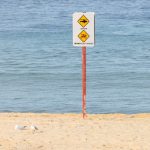
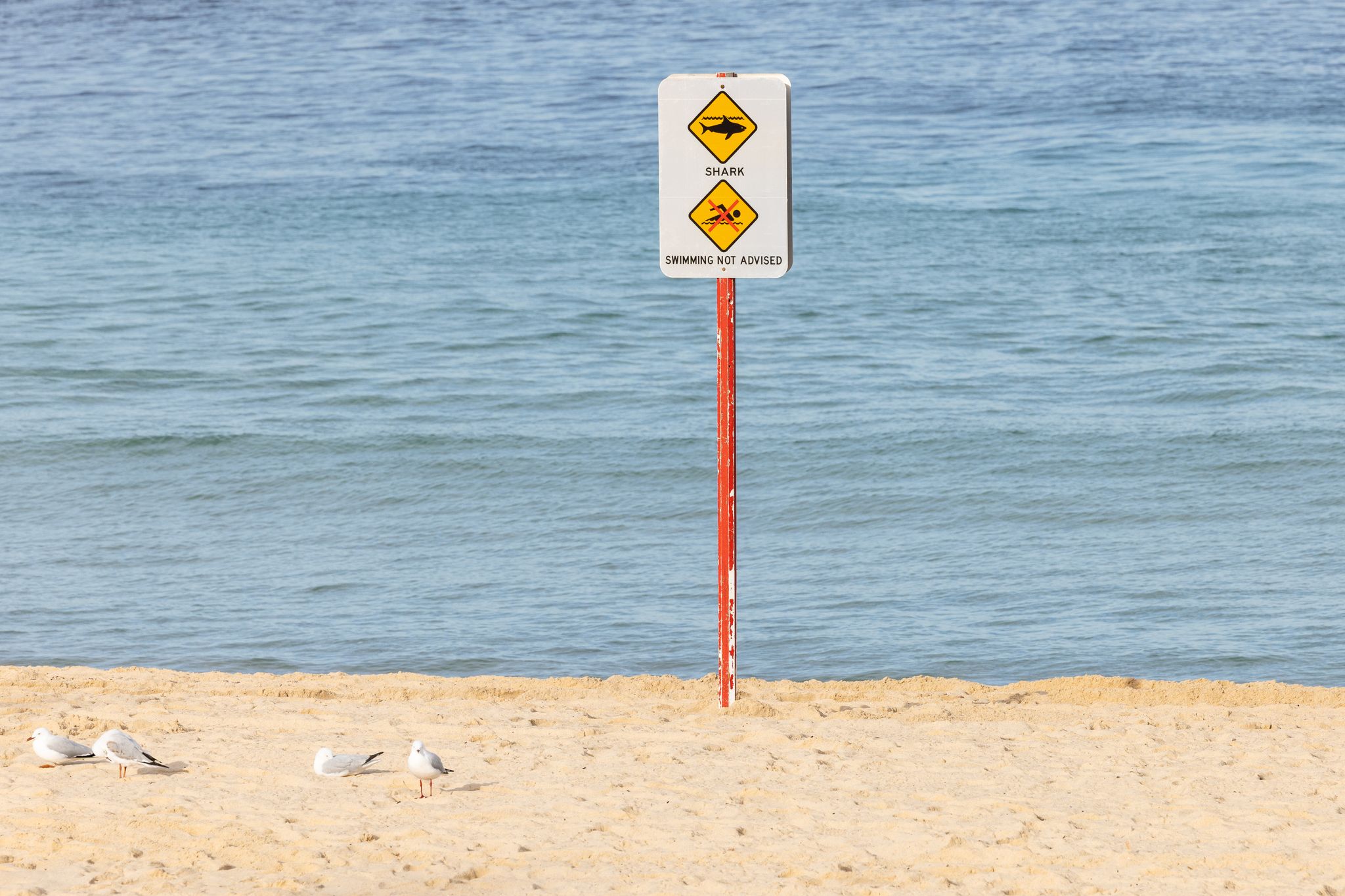
POLICY WIRE — Sydney, Australia — It’s not the thunderous roar of breaking waves that defines Bondi Beach these days, but a stark, unsettling silence. For the fourth consecutive day, a phantom fear has swept through Sydney’s sun-drenched coastline, emptying its celebrated sandy stretches and shuttering the vibrant businesses that typically thrive on them. The culprit? Persistent, unnervingly close shark sightings—specifically, the silhouette of several formidable great whites—turning the city’s aquatic playground into a no-go zone, and inadvertently sparking a very human debate about nature, economy, and the limits of urban planning.
Nobody’s seen an actual incident (yet, anyway), but the sheer presence, amplified by vigilant drone surveillance and an eager press, has frozen an entire segment of the city’s engine. Lifeguards, usually busy pulling in stray swimmers, are now acting as grim wardens, keeping sunbathers away from the azure allure. But this isn’t just about thwarted holiday plans; it’s cutting deep, affecting livelihoods.
“We’re talking about millions—maybe tens of millions—of dollars in lost revenue for cafés, surf shops, accommodation providers,” lamented Margaret Choi, president of the Coastal Business Association, gesturing vaguely towards her empty beachfront café. “People come here for the beaches. If there are no beaches, they just… don’t come. And who can blame ’em?” She’s not wrong. It’s a cruel twist, really: Mother Nature, in her infinite wisdom, reminding humanity who’s boss, just as summer looms.
The New South Wales Department of Primary Industries has maintained Level 3 alerts across several prominent locations, from Manly to Coogee, ever since Sunday’s initial alarm. Their decision, based on multiple confirmed sightings by surf life savers and their new, high-tech eye-in-the-sky patrols, leaves little room for interpretation: stay out of the water. Because this isn’t just some one-off; it’s a sustained pattern that’s beginning to look—and feel—ominous. It feels almost medieval, this fear. A primal unease descending on a modern metropolis.
But Sydney’s policymakers aren’t exactly known for passive resignation. “We’re navigating an exceptionally fluid situation, prioritizing public safety above all else,” stated NSW Premier Chris Minns, in a statement carefully distributed to emphasize vigilance over panic. “We won’t compromise on the protection of our residents and tourists, and we’re exploring every technological and scientific option to mitigate these risks without disrupting our marine ecosystem unduly.” (The ecosystem, of course, isn’t consulting tourism figures).
Because that’s the rub, isn’t it? Managing these incursions. Dr. Anya Sharma, a senior marine biologist at the University of Sydney, offered a measured, though equally stark, assessment. “While specific drivers are complex, increased sightings could point to shifts in prey migration, oceanographic changes—like water temperature—or even expanded populations of larger marine predators. We’ve certainly seen an uptick in reported shark activity globally; in NSW alone, we’ve recorded an average of 15 unprovoked shark interactions annually over the last decade, with fatalities, thankfully, remaining low at a rate of under one per year, according to DPI data.” It’s a delicate dance between human safety and ecological realities, one where neither side seems willing to blink first.
And these are precisely the sorts of unpredictable ecological disruptions that resonate far beyond Australian shores. For nations heavily reliant on coastal tourism—consider the Maldives, Indonesia, or even Pakistan’s budding tourism along its Arabian Sea coast—such protracted closures present an existential threat to economic stability. The challenge isn’t just a handful of aggressive fish; it’s the ripple effect, the erosion of confidence that drives away visitors who fuel local economies. Policy responses become complex: do you invest in costly, often ecologically contentious shark nets? Do you bolster drone patrols? Or do you simply educate — and adapt, accepting nature’s sometimes inconvenient truths?
What This Means
The prolonged closure of Sydney’s famed beaches isn’t merely a local inconvenience; it’s a stark, public policy case study unfolding in real-time. Economically, the hit to the summer tourism season—Australia’s peak—could be substantial, prompting debates about government compensation for struggling businesses and potential marketing campaigns needed to rebuild confidence later on. But what it truly forces into the spotlight are the deeper questions about urban sprawl meeting untamed nature. Politicians are squeezed between demanding public safety assurances and mollifying vocal environmental groups wary of lethal intervention. The cost of co-existence, it turns out, can be surprisingly high, measured not just in dollars, but in shifting public perception of what ‘safe recreation’ even means. The situation in Sydney serves as a sharp reminder for coastal cities worldwide, from Barcelona to Karachi, that no amount of urbanization can truly tame the wild fringes upon which they so often depend. This delicate balance will continue to provoke heated discourse, shaping future policy decisions around environmental management and public safety with an urgency few anticipated. It’s a challenge that, much like a lurking fin, can emerge silently and force a dramatic realignment of priorities for national economies relying on a clean, serene coastline, much like some of the broader policy dilemmas faced by governments in regions trying to balance progress with pressing societal concerns.