


Silent Chambers of Commerce: How a Mortuary’s Dark Secret Shatters Public Faith
POLICY WIRE — Pueblo, Colorado — It started not with a dramatic reveal, but with a lingering, visceral discomfort. The kind of unease you get when you realize the people tasked with humanity’s...

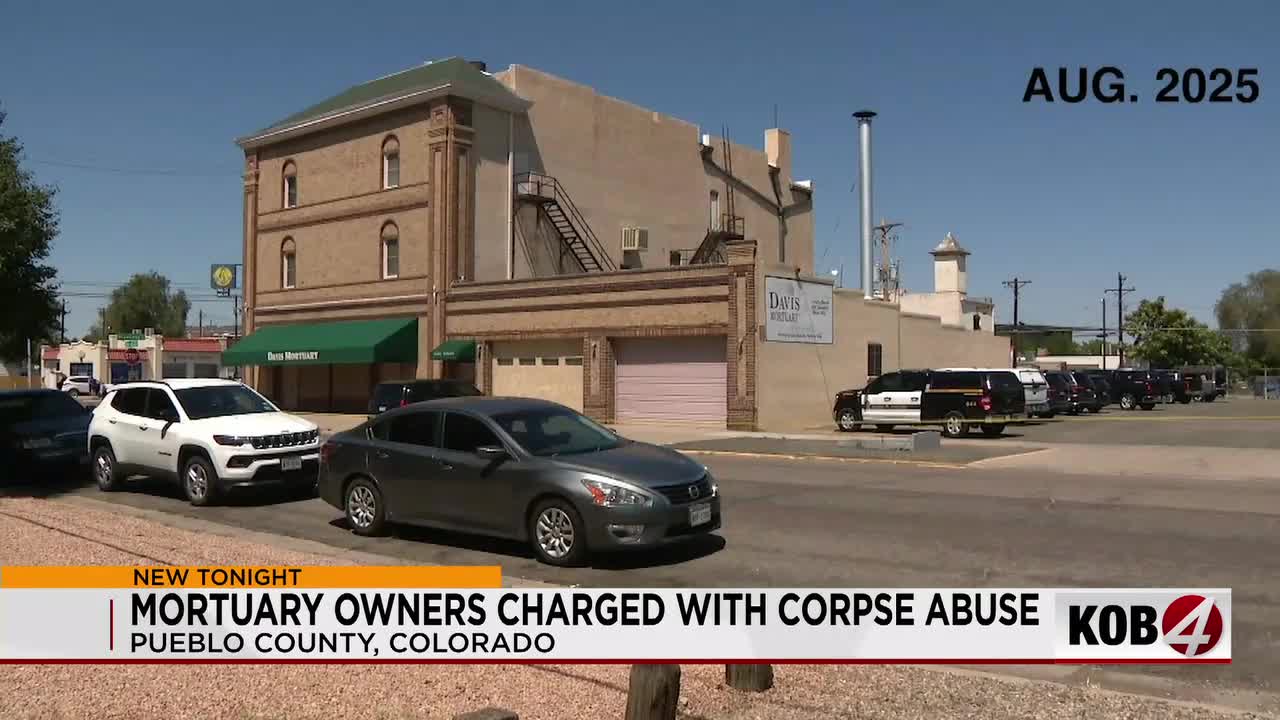
POLICY WIRE — Pueblo, Colorado — It started not with a dramatic reveal, but with a lingering, visceral discomfort. The kind of unease you get when you realize the people tasked with humanity’s final, sacred trust have been, well, playing fast and loose with it. We’re not talking about minor paperwork blips here, either. Two men, tasked with shepherding the departed to their final rest, now sit in jail, accused of turning a solemn business into something straight out of a particularly grim B-movie.
Behind a concealed door—imagine that for a moment, a hidden chamber in a place meant for dignity—investigators found two dozen bodies. That’s 24 souls, once someone’s father, mother, sibling, or child, unceremoniously stashed, forgotten. For years. It’s a grotesque failure, a sickening punch to the gut for anyone who believes in the sanctity of death and the basic human right to a respectful farewell.
Christopher and Brian Cotter, brothers who owned this House of Horrors—sorry, ‘mortuary’—in Pueblo County, are staring down a docket bursting with over 100 charges. Corpse abuse. Forgery. Theft. It doesn’t get much more callous than that, does it? Because let’s be real, you pay someone good money, often during your deepest grief, to ensure your loved one receives care. Not to be found years later, decaying behind a clandestine partition.
Nicole Rider, whose father was among the forgotten, didn’t mince words. Her old man passed in 2011, meaning he’d been missing from the world he deserved for more than a decade. “I’m happy that they’ve been charged,” Rider stated, her voice likely laced with years of frustration — and sorrow. “I’ll be even happier when they’re in prison for a very long time.” It’s a sentiment that many would share, an understandable yearning for concrete justice after such an unimaginable slight.
This isn’t some isolated incident, a mere quirk of one business gone rogue. No, this scandal rips open broader questions about oversight and ethics in an industry that operates, by its very nature, behind closed doors and often in the public’s emotional blind spot. And who wants to scrutinize the details of their uncle’s cremation permit when they’re swimming in grief? It’s exactly that vulnerability that unscrupulous operators exploit, here and, sadly, in myriad forms, across the globe.
But District Attorney Brian Mertes, whose office is prosecuting the Cotters, pulls no punches. “This isn’t just negligence; it’s a profound betrayal of public trust, an affront to human dignity, and we’re committed to ensuring justice for every single victim and their families,” Mertes told Policy Wire, echoing the grim determination now facing the brothers. And the head of the National Funeral Directors Association, Clara Jenkins, sees the long shadow this casts. “What happened in Pueblo County should shock every corner of our industry,” Jenkins offered, clearly shaken. “It’s a stark reminder that even in death, oversight can’t falter. We’re scrutinizing regulations across the board.” It suggests that even the professionals recognize a wider sickness.
Consider the raw audacity of it all. Forged death certificates. Bodies bought on the cheap—or rather, not even disposed of as promised—and then hidden. Money collected under false pretenses. The trust given at humanity’s most tender moment, utterly shredded. Data from the National Funeral Directors Association indicates that fewer than 5% of licensed funeral homes face significant regulatory action in any given year, a figure some critics contend conceals deeper, systemic issues—issues that Pueblo County has now shoved, kicking and screaming, into the harsh light.
What This Means
This macabre saga isn’t just local news; it’s a global wake-up call about the fragility of trust, especially in industries handling the most delicate human matters. In places like Pakistan, for instance, where respect for the deceased is not just a cultural norm but a deeply ingrained religious tenet, such a disregard for human remains would ignite profound outrage and societal distress. The Islamic tradition places immense importance on the prompt and dignified burial of the dead, emphasizing a stark contrast to the casual negligence alleged here. This scandal, then, isn’t simply about Colorado; it’s a chilling reminder that, across the world, people need to be sure that the sacred rituals surrounding death aren’t corrupted by greed or apathy. Whether it’s proper mortuary services in the U.S. or preventing exploitation in organ trafficking in developing nations (a darker extension of the same fundamental breakdown of ethics), the principles remain. For a deeper dive into how a breakdown in social trust can manifest, one might consider how communities respond when fundamental safety nets fray, echoing sentiments found in issues like the impact of violence on public safety in Pakistan.
Economically, this sort of exposé doesn’t just damage one company’s reputation; it throws a shroud of suspicion over an entire sector. Folks will think twice, they’ll demand more proof, more transparency. That translates to higher compliance costs for honest businesses and—for a spell, anyway—a consumer base that’s probably more wary than ever. This situation isn’t going to fix itself quickly; trust, once fractured, mends slowly, if at all. It requires an overhaul in mindset and, arguably, regulations, ensuring no other ‘hidden door’ exists in the funerary industrial complex. Or, as our previous reporting on this unfolding scandal noted, it reveals just how rotten things can get when public faith corrodes from the inside out.