
Shadows in the Limelight: How Executive Calls Skew Fair Play for Fans
POLICY WIRE — Washington, D.C. — Ever try to snag tickets to your favorite band? You know the drill. Click, click, click. Prices that feel plucked from thin air. Service fees that sting like a wasp....

POLICY WIRE — Washington, D.C. — Ever try to snag tickets to your favorite band? You know the drill. Click, click, click. Prices that feel plucked from thin air. Service fees that sting like a wasp. And that sinking feeling that you’re just a pawn in some corporate game.
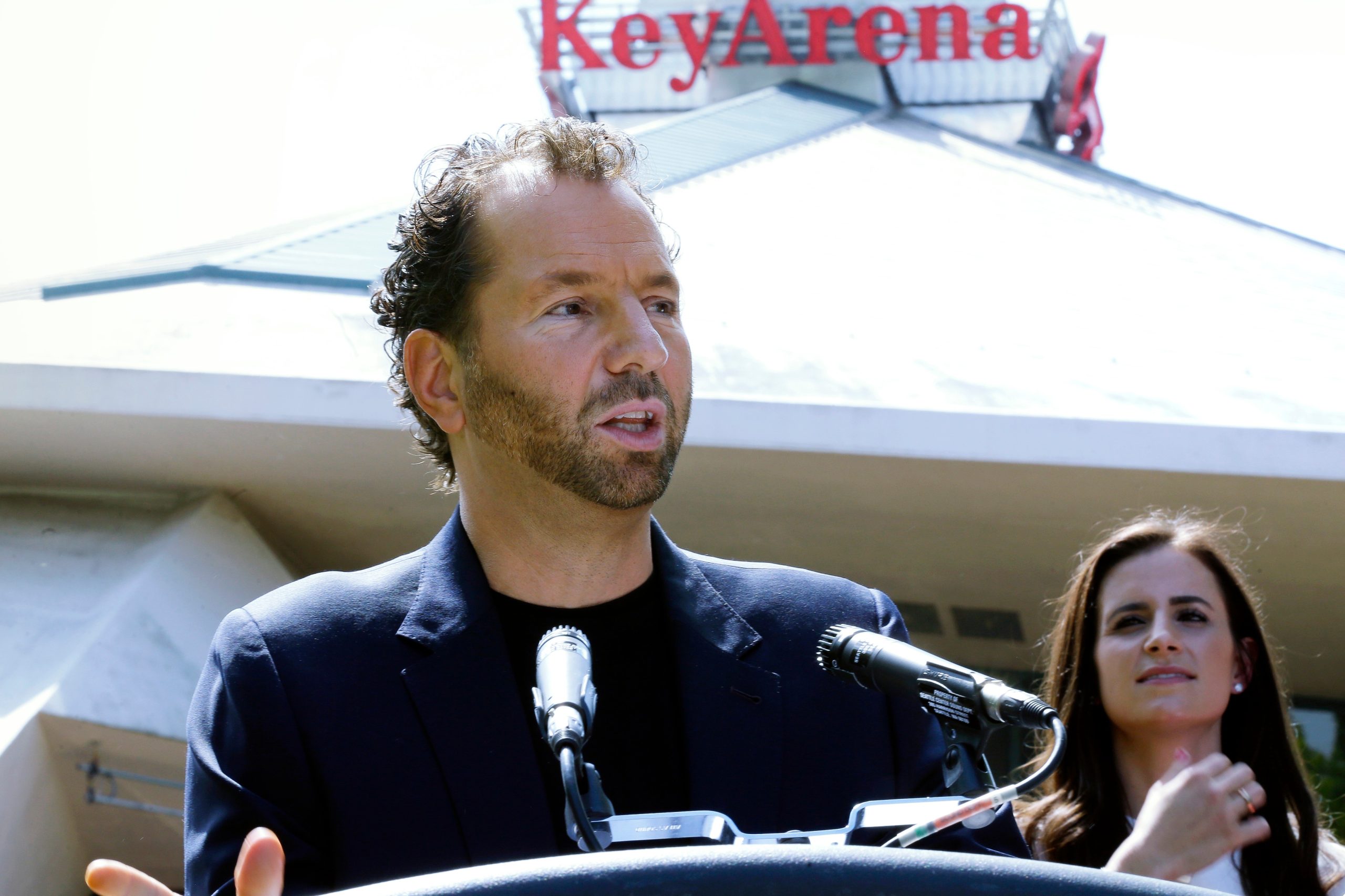
It turns out, the game might be even more rigged than we thought. A little nugget, buried in a recent court filing, peeled back a layer on how these colossal entities operate. It revealed that former President Donald Trump — in the thick of a Department of Justice (DOJ) antitrust probe into Live Nation Entertainment and its ticketing arm, Ticketmaster — was on the horn with the concert giant’s CEO, Michael Rapino. Not exactly a casual chat, given the circumstances. This phone call happened before the DOJ settled its accusations that Live Nation had repeatedly muscled its way into venue agreements using illegal strong-arm tactics.
Because, really, when a sitting president connects with a company under active federal investigation, it’s not just a friendly exchange about the weather. It throws a hefty shade over the whole idea of an independent regulatory process. Think about it. The DOJ was alleging Live Nation threatened venues: use our ticketing, or say goodbye to our artists. That’s a nasty play, — and it smells like a monopolist having its way.
But then, there’s Trump. He’s always had a way with optics. Or maybe, a disdain for them. “I was just listening,” the former President, who hasn’t been shy about mixing business with statecraft, was reported to have commented on such conversations in the past. “These are business leaders. It’s my job to understand the challenges they face so America can prosper. There’s nothing to see here; we made great deals for the American people.” And that’s pretty much what he’d likely say if pressed on the Rapino call today, dismissing any insinuation of improper influence as another witch hunt.
Yet, critics aren’t buying that easy explanation. Assistant Attorney General for the Antitrust Division, Jonathan Kanter, perhaps hinting at broader concerns without directly addressing past administrations, often remarks on the current landscape. “Our mission is unambiguous: to foster fair competition, ensuring every American has access to a marketplace driven by choice, not coercion,” Kanter stated publicly, a sentiment reflecting an ongoing push for stricter corporate accountability. “Any action or discussion that undermines the integrity of these critical investigations — past or present — warrants scrutiny. The public deserves trust in these processes.” And frankly, they do. But whether they get it, well, that’s another matter entirely.
This call, made as the feds were sizing up Live Nation’s stranglehold on the live music industry, raises a forest of questions. Was it a lobbying effort? An informal heads-up? Or a tacit blessing, making the DOJ’s eventual settlement—which many saw as too lenient—look even more like a wink and a nod? It leaves you wondering what else goes on behind closed doors that shapes markets consumers assume are competitive.
What This Means
The revelation of presidential communication with an executive of a company under federal scrutiny, particularly in an antitrust case, casts a long shadow over both the former administration and the integrity of regulatory bodies. Politically, it provides ammunition for those arguing for stronger ethics laws and a clearer firewall between the White House and ongoing investigations. It feeds into a narrative of corporate capture, where deep pockets and high-level access can, or appear to, soften the bite of federal oversight. For Trump, it’s just another brushstroke on his established portrait of transactional politics; for Democrats, it’s a fresh data point to critique his handling of government.
Economically, this sort of thing rattles consumer confidence in fair market play. Live Nation, which by some estimates controls over 70% of the concert ticketing and venue market in major cities, (according to industry reports cited by the DOJ in their 2020 settlement announcement), already faced public ire over exorbitant ticket prices and fees. A perception of political intervention only fuels skepticism that ordinary people, say a fan in Lahore trying to get tickets to a diaspora artist’s European tour, are truly getting a fair shake. It implies that these artists and their global fan bases are subject to pricing dictated not just by demand, but by unchecked corporate power—a challenge many nations, from America to Pakistan, wrestle with when trying to build equitable economies. There’s a worldwide conversation to be had about corporate dominion, — and this episode certainly stokes the fire. Corporate immunity wins big sometimes, and these situations make you wonder when the public gets to win.
This saga underscores the often-unseen influence wielded by those at the intersection of business — and government. It’s a blunt reminder that the rules of engagement for multi-billion-dollar entities and the top political office might not be as transparent or as strictly adhered to as democracy demands. It begs the question: are we buying concert tickets, or are we paying for something else entirely? Because whatever it’s, it feels pretty steep.