


Oil’s False Peace: Why Cheaper Barrels Might Fuel a Grimmer Inflation Story
POLICY WIRE — London, UK — It’s that quiet, almost deceptive exhale you hear from commuters these days, maybe a slight easing on household budgets as gas station marquees display...

POLICY WIRE — London, UK —
It’s that quiet, almost deceptive exhale you hear from commuters these days, maybe a slight easing on household budgets as gas station marquees display numbers not seen in an age. The price of a barrel of crude oil—that volatile, shapeshifting commodity dictating so much of our daily economic reality—has drifted back to where it sat before the geopolitical fireworks started popping off a couple years back. Seems like good news, doesn’t it? A collective sigh of relief, perhaps even a brief, mistaken belief that we’ve turned a corner. But dig a little, peer past the initial glimmer of relief, and you’ll find a few seasoned economic watchers aren’t just wary—they’re downright agitated. Because, in a move of rather cruel irony, these lower prices might not be the panacea everyone’s craving. [QUOTE_PLACEHOLDER]
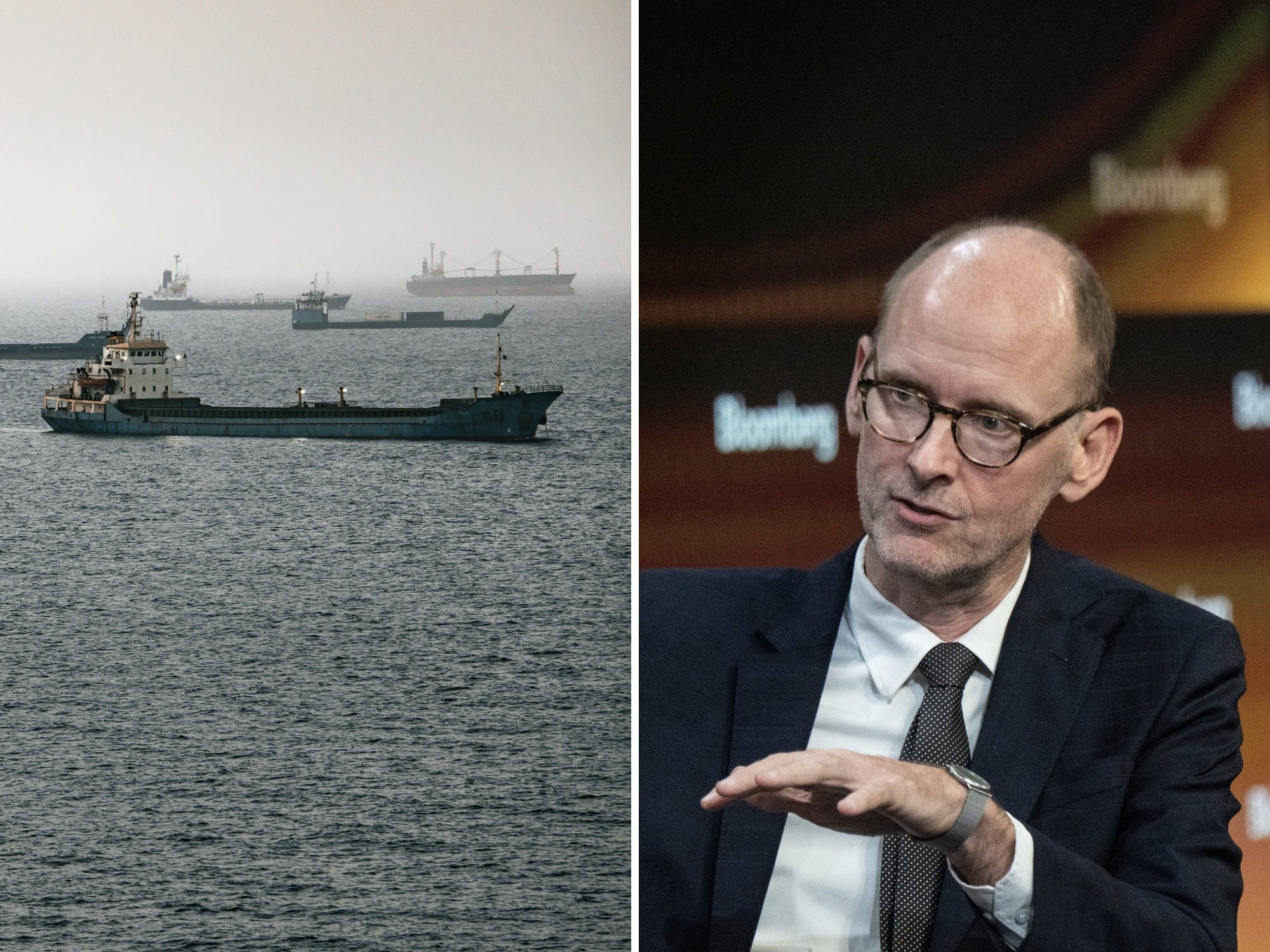
No, quite the opposite. For some, it’s a flashing red light. A prominent economist, one who’s seen a few boom-bust cycles in his time, has dropped a frankly unsettling notion into the global economic chatter. He contends that this apparent balm could actually be an accelerant for an altogether nastier beast: inflation. And not the garden-variety, supply-chain induced kind we’ve been grumbling about. He means the deeply entrenched, demand-side variety—the kind that gnaws at purchasing power from the inside out.
This isn’t some obscure academic theory either; it’s a gut punch prediction, hinting at a global economy too robust, too hungry, perhaps too oblivious. When the cost of a key input like oil declines, it typically reduces production costs across industries. That usually translates to lower prices for consumers or, at the very least, stabilized ones. But what if the underlying demand is so insatiable that producers simply pocket the savings or invest them, rather than passing them on? What if the collective consumer base, feeling a little flush from cheaper commutes and freight costs, just decides to spend more, igniting a broader inflationary surge?
And then there’s the policy reaction. Central banks, remember them? They’ve been on a rate-hiking rampage, battling inflation with what looked like a blunted sword. If oil prices dip significantly, policymakers might—just might, mind you—take their foot off the monetary brake prematurely. They might signal a pause, or even a pivot, towards looser conditions. This, according to some sharp observers, would be akin to pouring gasoline on a smoldering fire. The very relief afforded by cheaper energy could tempt central bankers into decisions that unleash inflation that much harder down the line. It’s a proper catch-22, wouldn’t you say? Central banks face a predicament; ease up now, — and you might stoke a larger inferno later.
For places like Pakistan, always grappling with external balances and a precarious import bill, this global oil dynamic carries particular weight. Pakistan, a net importer of energy, stands to benefit from lower oil prices—in theory. Its economy, perpetually at the mercy of global commodity swings and its own internal policy missteps, depends heavily on stable energy costs. The nation’s public debt often swells when energy prices spike, exacerbating an already tricky fiscal situation. If the current drop leads to an global inflationary environment, it could negate any relief gained from cheaper imports by eroding the value of remittances and exports, and making essential goods even pricier for ordinary folks. A rupee’s value doesn’t stand up well to a persistent erosion of purchasing power, does it?
The economist suggests this dynamic plays out like a classic supply-side shock in reverse. Instead of prices being driven up by scarcity, they’re being pulled up by sheer, unadulterated spending power. A 2023 analysis from the International Monetary Fund projected global core inflation, excluding volatile energy and food prices, to remain stubbornly above central bank targets for the first half of 2024, at an average of 4.5% across advanced economies. This wasn’t some minor hiccup. It implies embedded price pressures, regardless of what the Saudi fields decide to pump. The market seems to be mistaking a symptomatic reprieve for a cure. It’s almost cute how optimistically naive that’s.
But how do we disentangle this mess? It’s not a straightforward case of ‘lower oil, lower prices.’ Not this time, anyway. Because consumer demand has proven surprisingly resilient. We’ve all seen the numbers. Even with elevated interest rates, people haven’t quite slammed shut their wallets. Maybe it’s pent-up desire from pandemic lockdowns. Or maybe it’s a stubborn belief that tomorrow will sort itself out. Regardless, that persistent consumer appetite could turn seemingly good news on oil into a quiet engine of broader, more insidious price increases. We’re watching a strange dance unfold. A dangerous one.
What This Means
The implications here aren’t just economic, they’re profoundly political. Governments across South Asia and beyond, already grappling with populist discontent fueled by the rising cost of living, might see any temporary dip in energy prices as a political win—a moment to claim victory. But this potential “false dawn” of lower inflation, spurred by falling oil prices, carries significant risk. If central banks prematurely ease monetary policy or governments increase spending in anticipation of continued deflationary pressures from cheap energy, they could inadvertently unleash a second wave of inflation that’s harder to tame. For developing economies, heavily reliant on imported energy and susceptible to global economic shocks, this could mean renewed currency depreciation and escalating social unrest. It’s not just about what you pay at the pump; it’s about the erosion of national wealth — and trust. It’s about how much farther the money you earn stretches, or rather, doesn’t. The perception of stability can be far more destabilizing if it’s based on faulty premises. For nations like India, striving for growth, or Egypt, constantly balancing its budget, understanding this subtle shift from cost-push to demand-pull inflation is absolutely critical for maintaining economic stability.