


Japan’s High-Stakes Gamble: Surviving Sweden, Staring Down Brazil
POLICY WIRE — Houston, USA — Call it a dance with disaster, or perhaps, the art of the tactical retreat. Japan, widely touted as a dark horse contender, managed to navigate a labyrinthine Group F —...

POLICY WIRE — Houston, USA — Call it a dance with disaster, or perhaps, the art of the tactical retreat. Japan, widely touted as a dark horse contender, managed to navigate a labyrinthine Group F — not with a flourish, but with a cautious, almost resigned, 1-1 draw against Sweden. This wasn’t pretty football. It was primal survival. And because they managed it, barely, they’ve bought themselves another ticket: a direct, collision course meeting with tournament heavyweights Brazil in the World Cup’s unforgiving Round of 32.
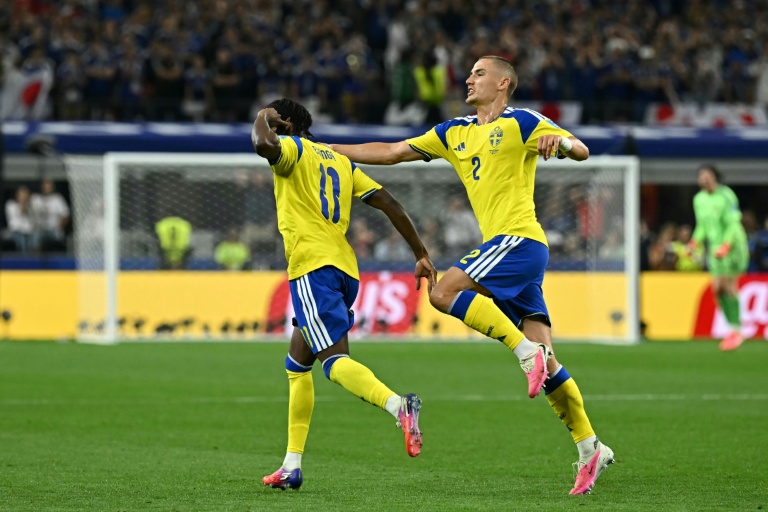
Thursday’s slugfest in Houston, played out in front of a sprawling 70,000 strong crowd, was less a clash of titans and more a strategic stalemate. You could feel the tension, palpable enough to cut with a dull butter knife, as both sides knew exactly what a point meant: progression. Maeda put Japan ahead, a brief moment of hope, quickly extinguished by Anthony Elanga’s equalizer for Sweden. From then on, it became a harrowing exercise in defense for Japan, their goalkeeper Zion Suzuki pulling off heroics that’d make even seasoned veterans chew their fingernails.
“We knew what was on the line, every minute counted,” Coach Graham Potter of Sweden remarked, his voice edged with both relief and residual stress. “The lads played their hearts out. It wasn’t perfect, sure, but we got the job done. Sometimes, you just gotta grind.” Potter’s tactical shifts, even replacing his goalkeeper for the match, showed a manager willing to pull unconventional levers. And they worked.
Meanwhile, for Hajime Moriyasu’s Japanese squad, the sighs of relief probably sounded a lot like screams of impending dread. Because the path forward, a tango with five-time champions Brazil, isn’t just difficult; it’s practically a soccer Mount Everest. “We fought. We endured,” Moriyasu stated later, his typical composed demeanor showing a hint of strain. “To reach this stage, against these opponents, requires everything. Now, the real challenge begins. We won’t shrink from it.” His words, while outwardly confident, carry the weight of a nation’s expectation, especially as Japan tries to assert itself further on the global stage. Consider this: FIFA ranks Brazil, Japan’s next adversary, number one globally; Japan, a respectable 18th according to the latest rankings released by football’s governing body.
This group stage wasn’t just about the teams that progressed; it was also about those who stumbled. Tunisia, another nation whose passionate fan base poured expectations into the tournament, ended up bottom of Group F with zero points. While Japan plans its strategy against a global powerhouse, teams like Tunisia are left to dissect what went wrong, a stark contrast reflecting the uneven distribution of footballing development and resources worldwide. Their departure, though perhaps expected, certainly didn’t dampen the fervent football passions within the wider Muslim world, who followed the tournament with keen interest.
But the numbers don’t lie. The Netherlands, cruising atop the group with seven points, now face Morocco. Sweden, despite their draw, also secured passage as one of the best third-placed finishers, meaning Potter’s men avoided the immediate axe. Japan, finishing second in the group with five points, secured their date with destiny.
The match was messy, particularly after Japan grabbed the lead through Maeda and Elanga almost immediately cancelled it out. The Premier League duo of Isak and Gyokeres for Sweden had been strangely quiet, but in those final minutes, they turned it on. And then it became the Zion Suzuki show. The Japanese keeper parried, punched, and pushed away Swedish attacks like a man possessed, denying both Isak and Elanga multiple times as the clock ticked agonizingly towards the final whistle. His performance, honestly, is why Japan isn’t packing its bags already.
What This Means
For Japan, this draw isn’t just about making the knockouts; it’s about a calculated, if perilous, gamble. They knew a draw meant facing Brazil, the undisputed titans, but also perhaps avoiding other potential pitfalls down a different bracket. The financial windfall for advancing is considerable, but the soft power and national pride associated with even competing – let alone performing well – against a team of Brazil’s stature is immeasurable. A strong showing, even in defeat, could energize grassroots football programs and boost global recognition for Japanese athletes and brands. Conversely, an ignominious defeat could temper some of the enthusiasm. From an economic perspective, success on this stage draws sponsorships, boosts tourism, and solidifies Japan’s image as a competitive global player, not just in technology, but in culture and sport. It also highlights the strategic differences in approach to sports between developed nations investing heavily in soft power and those like many South Asian or developing Muslim nations, often hampered by limited infrastructure and institutional support, leaving them further from consistent global competitiveness. This performance, even if ragged, signals that Japan’s footballing ambition isn’t just for show. They’re in it to win it, even if ‘winning’ right now means somehow surviving the Brazilians.