

1,000 Days On: Israeli Accountability Delayed Amid Shifting Sands of Geopolitics
POLICY WIRE — Jerusalem, Israel — One thousand days. That’s a staggering stretch, particularly in a region where geopolitical shifts happen faster than you can say...

POLICY WIRE — Jerusalem, Israel — One thousand days. That’s a staggering stretch, particularly in a region where geopolitical shifts happen faster than you can say ‘ceasefire.’ It’s been three hundred words – ten hundred days, actually – since October 7, and for a nation ostensibly built on vigilance, the echoes of that failure are getting louder, more insistent, even as the global headlines try to move on. People thought, hoped maybe, the immediate aftermath would trigger some honest self-reflection from the top. They haven’t really seen it, have they?
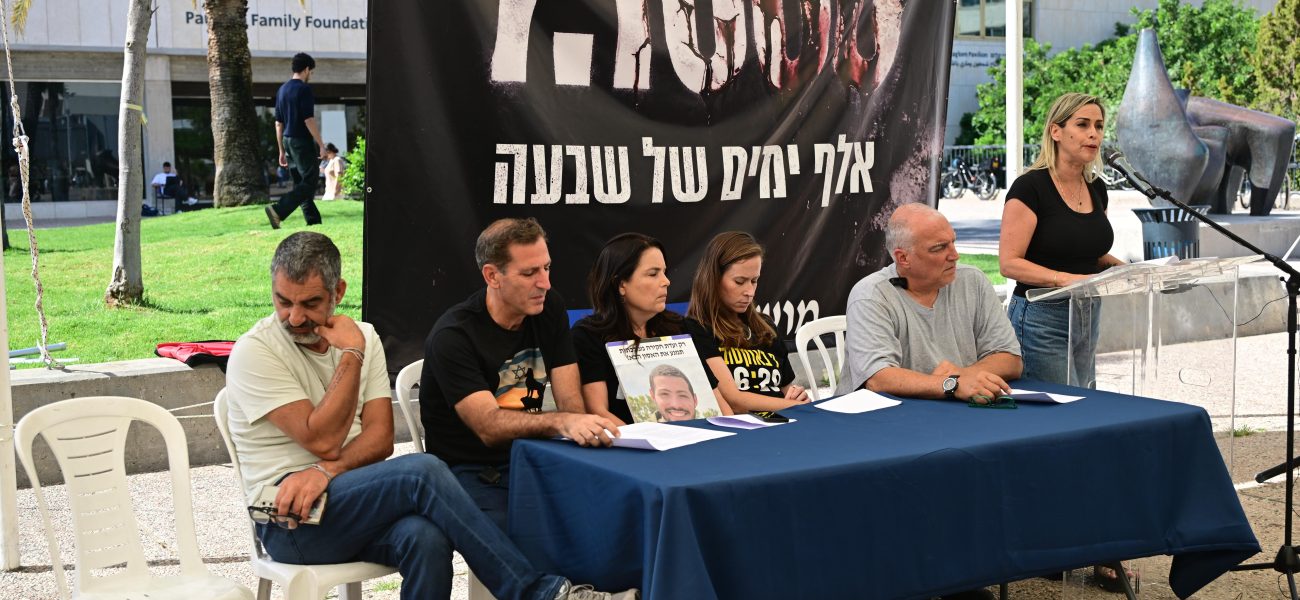
Instead, what you’ve got is a collection of grieving families and citizens, united under the banner of the “October Council,” now loudly demanding a full state commission of inquiry. They aren’t just rattling cans in a dimly lit hall; they’re projecting their calls onto government buildings, pressing for a deep, unbiased probe into the security, intelligence, and governmental lapses that let such a catastrophe unfurl. This isn’t just about blaming folks; it’s about understanding the monumental breakdown of systems that were, let’s be honest, thought to be infallible.
But the powers that be? They’re busy. Always busy. Communications Minister David Hacohen, a seasoned politician with an unshakeable air, doesn’t mince words — but sometimes he just muddies the waters. “The nation’s attention remains fixed on safeguarding our borders and bringing our hostages home,” Hacohen stated recently, deflecting the commission talk like a veteran goalie. “To demand a politically charged inquiry now, while our soldiers are still fighting, feels… premature. It plays right into the hands of our adversaries.” Convenient, isn’t it, to brand accountability as aiding the enemy?
The Council sees it differently. Wildly so. “We’ve seen promises, but what we haven’t seen is genuine accountability from those at the top,” declared Sara Klein, a leading figure in the October Council, her voice tight with conviction. She herself lost a nephew that day. “Families deserve to know, the nation deserves to know, how this colossal failure became possible. Delaying it isn’t strength; it’s an evasion.”
It’s not just a localized clamor either. The sentiment ripples outwards. Take Pakistan, for instance. A nation keenly aware of the delicate balance between national security imperatives and demands for governmental transparency, particularly in moments of crisis. While the specifics of Islamabad’s domestic politics couldn’t be further removed from Jerusalem’s, the raw expectation for answers following a traumatic event resonates deeply. After all, when institutions fail spectacularly, publics — everywhere — eventually want to know why. And they’ll keep asking. That’s how it usually goes.
For context, consider that public trust in Israel’s leadership hit a record low of 33% by January of this year, according to a recent poll by the Israel Democracy Institute. It’s a stark figure that hints at just how profound the disconnect between the government’s rhetoric and the populace’s frustration has become.
What This Means
The call for a state commission isn’t just a political squabble; it’s a proxy war for the nation’s future. A genuinely independent inquiry would likely be bruising for the current coalition, potentially exposing deep institutional flaws and personal culpability among those who’ve managed — or mismanaged — national security for years. It’s not just about one bad day; it’s about the erosion of trust, the long-term strategic blind spots, and the political infighting that probably paved the way for that vulnerability. Because, let’s face it, no major intelligence failure is ever just about one thing going wrong.
Economically, prolonged political instability, exacerbated by a perceived lack of accountability, could rattle foreign investors, already wary of the regional volatility. International diplomatic efforts also suffer when a nation seems internally fractured, undermining its negotiating posture on global stages. From the corridors of Washington to the decision-making hubs in Brussels, questions linger about stability and who’s really in charge of getting answers. And for a country so dependent on foreign support — and trade, that sort of scrutiny isn’t exactly helpful. It makes allies wonder if they’re backing a system that can even govern itself effectively in a crisis, let alone a prolonged, high-stakes conflict.
the delay could further alienate crucial sections of the populace, leading to increased internal dissent, even more protests — a scenario that no government, especially one operating in such a hot-spot region, truly wants. There’s also the narrative challenge; for critics, a delayed inquiry just reinforces perceptions of official obfuscation. And those perceptions, especially across the wider Middle East — and the Muslim world, do stick. Just ask anyone watching events unfold from Lahore to Cairo; they’ve got their own views on transparency, you know.
The government’s continued resistance probably won’t make the issue disappear; it just changes the nature of the fight. And as the days tick past, each one another measure of that delayed justice, the political capital of those resisting will probably dwindle even more.