


Global Football: Early Birds Cement World Cup Stakes, Predictability Reigns Amid Geopolitical Plays
POLICY WIRE — Zurich, Switzerland — Another quadrennial spectacle inches closer, not with the customary frenzy of last-minute upsets, but with a rather sober inevitability. As qualification rounds...

POLICY WIRE — Zurich, Switzerland — Another quadrennial spectacle inches closer, not with the customary frenzy of last-minute upsets, but with a rather sober inevitability. As qualification rounds consolidate, the emerging picture is one less of nail-biting suspense and more of entrenched power structures. Thirteen nations, a significant chunk of the ultimate contenders, have already punched their tickets to the 2026 World Cup round of 32. It’s a development that, while confirming athletic prowess, says perhaps even more about the economic machinery and political gravitas underpinning global football.
It’s not just about who’s on the pitch; it’s about who’s funding the stadium upgrades, who’s negotiating broadcast rights, and who sees this as a diplomatic opportunity. Think less sporting Cinderella stories — and more strategic positioning. But, let’s be frank, for many, the early qualifiers present a comfortingly familiar tableau. [QUOTE_PLACEHOLDER]
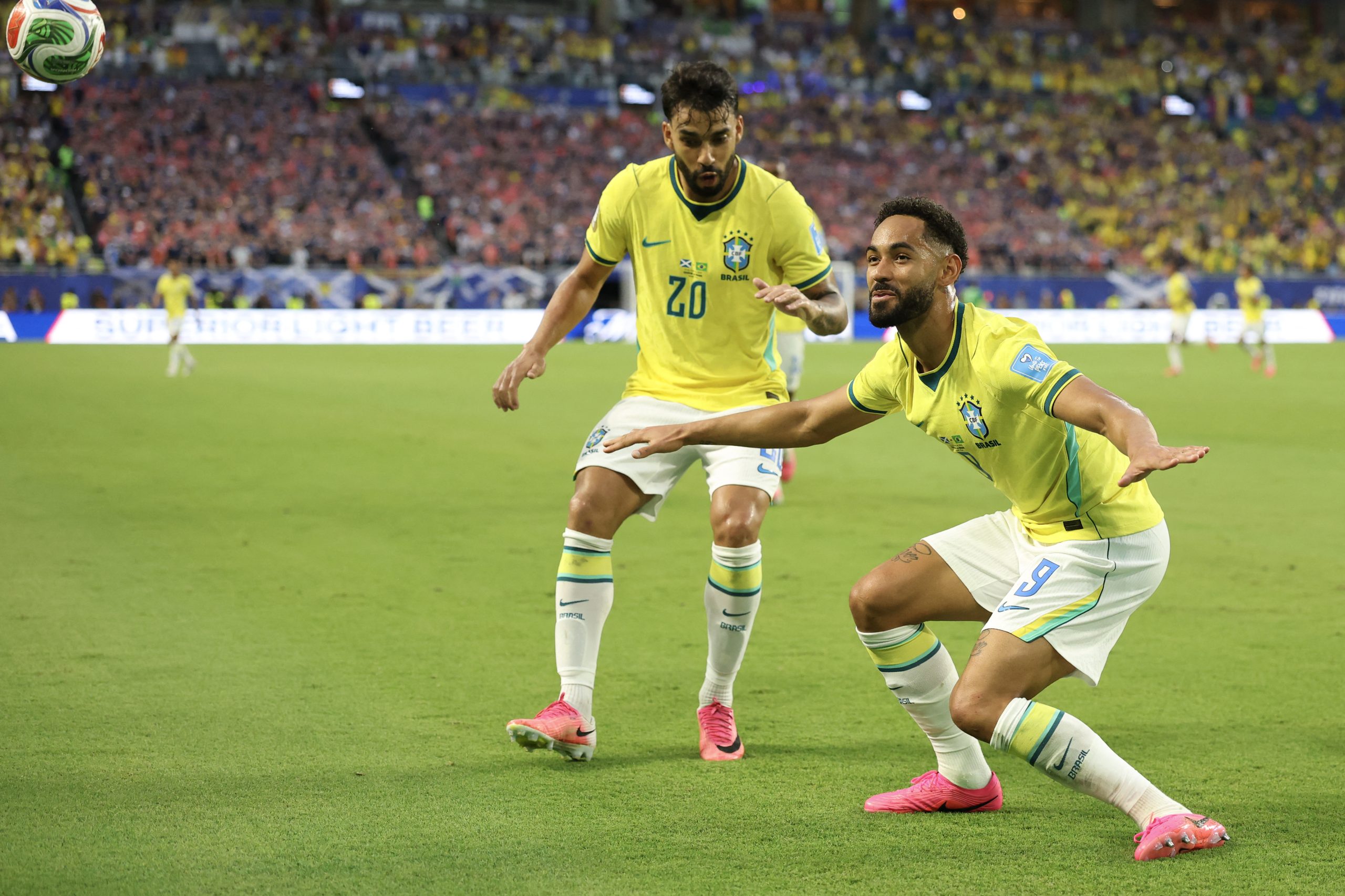
Naturally, some perennial giants — what the sport’s casual observers might call the usual suspects — are making their appearances with characteristic ease. Powerhouses like Argentina, Germany, France, and Brazil remain strong contenders to reach the final, and why wouldn’t they? They’ve got the infrastructure, the academies, the sheer economic might that cultivates top-tier talent consistently. This isn’t just about football, it’s about a nation’s investment in its global brand, its soft power.
And yes, as expected, All three hosts have lived up to expectations. A home crowd advantage? Sure, a psychological boost, but let’s not discount the massive governmental and corporate backing that ensures hosts are always in contention. The economic windfall alone— from infrastructure projects to tourism— makes the upfront investment a calculated gamble, almost always delivering a significant return. FIFA’s reported revenue for the 2019-2022 cycle, largely driven by the World Cup, topped 7.5 billion U.S. dollars, a testament to the colossal financial engine at play.
This early solidification, however, isn’t just good news for the qualified few. It narrows the field for the scrambling remainder, applying immense pressure on federations — and governments alike. Consider the nations — especially those in developing economies, or regions like South Asia and the broader Muslim world — where a World Cup berth isn’t just a dream, it’s a national project. The stakes are immense. Failure to qualify can trigger political fallout, investment withdrawal, and even civil unrest, reflecting how deeply intertwined sports, identity, and governance have become. Pakistan, for instance, a nation obsessed with cricket, still dreams of a significant global football footprint. Yet, the chasm in resources and sustained investment keeps such aspirations largely confined to hopes, a stark contrast to the systematic progress seen elsewhere.
More than half of the spots are still up for grabs, true. And those remaining slots will likely generate the most immediate human-interest narratives, the stories of underdog ambition. But, one can’t escape the prevailing sense that the deeper trends—the economic divides, the geopolitical jostling—are already well established. The game might be on the pitch, but its most profound impact is felt in national treasuries — and foreign ministries. It’s a dance between predictable athletic excellence and unpredictable global ambitions, with the ball rarely landing where you’d least expect it to.
What This Means
The early qualification of so many frontrunners isn’t just about sports; it’s a potent barometer of global economic and diplomatic might. For the nations already in, particularly the traditional powerhouses and the hosts, it solidifies their standing on the world stage, offering unparalleled soft power and tourism revenue. It’s an advertisement for national capability, for organizational skill, for everything a modern state wants to project. Because, let’s face it, hosting or performing well at a World Cup isn’t cheap—it requires monumental investment, both public and private. For the countries on the periphery, say, many in the Muslim world who view football as a way to engage with a younger, globally connected demographic, the difficulty of qualification highlights structural issues: lack of consistent investment, insufficient grassroots development, and often, bureaucratic hurdles. These early exits for some, or sustained qualification challenges, expose the stark inequities in sports development funding globally, impacting not just athletic performance but also diplomatic reach and potential economic diversification through sport. We’re watching a tournament whose economic impact reverberates long after the final whistle, influencing everything from urban planning to national mood, cementing existing hierarchies even as it promises universal aspiration.