


Dead Bat Dilemma: White Sands Seeks Teen After Rabies Scare Ignites Park’s Public Health Puzzle
POLICY WIRE — ALAMOGORDO, N.M. — It started, as many bewildering public health quandaries often do, with a curious kid and a seemingly innocuous object. Not a package bomb, mind you, or an alien...

POLICY WIRE — ALAMOGORDO, N.M. — It started, as many bewildering public health quandaries often do, with a curious kid and a seemingly innocuous object. Not a package bomb, mind you, or an alien artifact unearthed from the dunes of New Mexico, but something far more insidious, lurking beneath the radar of America’s grandeur: a dead bat. For all its pristine gypsum glory, White Sands National Park found itself unexpectedly navigating a mini-crisis, not from erosion or encroaching urbanization, but from a brazen moment of youthful recklessness that, for park officials, represents a deeply worrying chink in the nation’s public health armor.
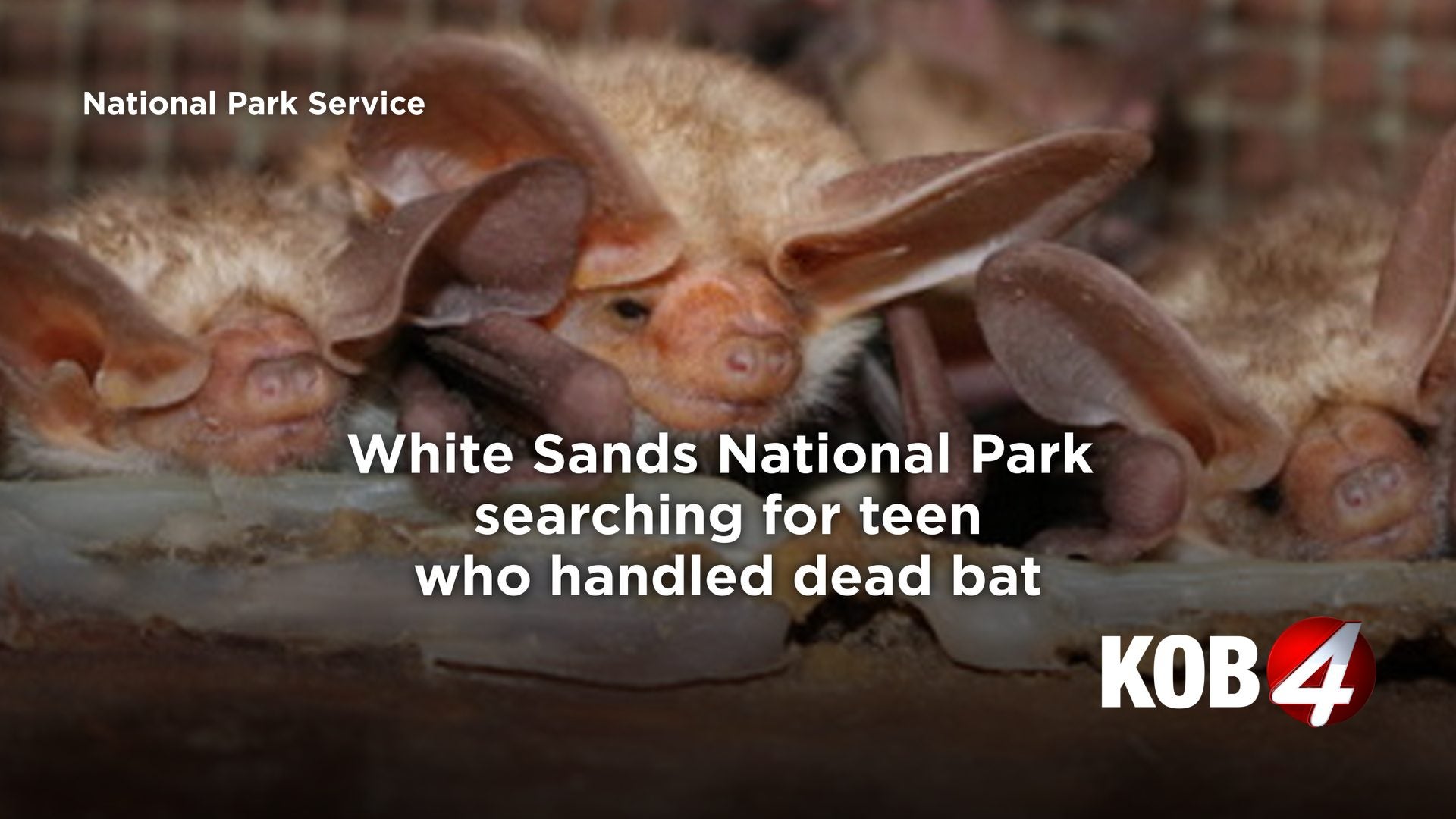
It’s not every day a park visitor decides to use the front desk of a federal facility as an impromptu mortuary for wildlife. Yet, on a placid Tuesday morning around 10:20 a.m. on June 18, that’s precisely what happened. A teen, accompanied by an adult—their chaperones seemingly oblivious to the lurking viral specter—presented a deceased bat to incredulous park staff. Their explanation? It was already dead when they found it. A shrug and a casual dismissal, before disappearing into the endless horizon of the park, leaving behind a potentially lethal biological question mark.
“Look, we want people to connect with nature,” explained Ranger Elias Vance, White Sands’ weary chief of visitor services, his voice laced with the kind of exasperation only years in public service can forge. “But that doesn’t mean treating every creature as a souvenir or a science experiment. We’re talking about a zoonotic disease with a near 100 percent fatality rate once symptoms emerge. This isn’t just about park rules; it’s about life or death, literally.” Vance’s sentiment captures a growing unease within conservation circles: the increasing casualness with which the public approaches wildlife, often ignoring fundamental health precautions. And, it’s not like rangers can be everywhere at once. There’s only so much they can do.
The park’s appeal for the teen or their guardians to come forward isn’t an indictment of their intentions, probably good, but a desperate plea for public health. Rabies—that ancient, terrifying scourge—is lurking. While a minuscule fraction of bats in the wild, around one percent, carry the virus, that number climbs drastically for animals acting erratically, grounded, or dead. A direct encounter, however brief, however ‘harmless’ it feels, demands swift medical attention. You simply don’t take chances. Never. Because this isn’t a minor sniffle; it’s a death sentence.
“Any interaction with wildlife where a potential break in the skin has occurred—even an undetectable scratch—must be treated with extreme prejudice,” stated Dr. Aneesha Raza, Director of Infectious Diseases at New Mexico’s Department of Health, offering a clinical, albeit urgent, perspective. “Post-exposure prophylaxis is incredibly effective, but it’s a race against time. This isn’t a problem unique to our borders, either; countries like Pakistan grapple with hundreds of thousands of potential rabies exposures annually, making robust public health campaigns and rapid response capabilities absolutely paramount.” It’s a stark reminder that what seems like an isolated incident here could quickly spiral in less robust health environments abroad.
What This Means
This incident, far from being a quirky local news blip, peels back a layer on deeper societal fissures. It’s a snapshot of a public education challenge in an era of information overload—and, let’s be frank, frequent misinformation. Parks are increasingly seeing a demographic (and attitudinal) shift; folks are disconnected from the inherent wildness of the wild. They’re seeking the Instagram-perfect moment, not the intrinsic risks. It throws a wrench into national park management, demanding resources for what should be common sense health messaging instead of focusing on preservation or broader educational initiatives. Think about it: every national park across the U.S. faces this uphill battle. From Yellowstone’s bison goring tourists to the Lincoln Memorial Reflecting Pool getting damaged, these aren’t isolated acts of ignorance but symptomatic of a broader societal challenge.
And, on a macro level, it’s a chilling echo of our collective vulnerability to zoonotic pathogens. If we’re this complacent with common local risks like rabies, how are we positioned for novel threats? The incident in White Sands, New Mexico, might feel trivial, but it serves as a stark domestic alarm bell for what public health professionals frequently contend with on a global scale. From bustling urban centers in South Asia to remote African villages, the interface between humans and animals is a constant battleground against diseases jumping species barriers. Failing to educate citizens about basic biohazard protocols at home means we’re all more susceptible to the next emergent global health crisis—which is never far off. But they’re always complex. Complicated.