


Lincoln Memorial Reflecting Pool Liner Damaged by Sharp Blade, National Park Service Confirms
POLICY WIRE — Washington, D.C. — A critical component of the iconic Lincoln Memorial Reflecting Pool has been deliberately damaged, with a sharp object used to ...

POLICY WIRE — Washington, D.C. — A critical component of the iconic Lincoln Memorial Reflecting Pool has been deliberately damaged, with a sharp object used to cut the liner along its bottom, federal authorities confirmed recently. This act of vandalism occurred earlier this month and affected the foam sealant, an integral part of a multi-million dollar rehabilitation project.
The incident, dated June 9, prompted the National Park Service (NPS) to report the matter to the U.S. Park Police, signaling a potential criminal investigation into the damage sustained by the historic landmark. (Reporting based on Associated Press)
Details regarding the damage surfaced through Frank Lands, the deputy director of operations for the National Park Service. Lands’ statement was provided within a court document, filed late last Wednesday, as part of an ongoing lawsuit involving a non-profit organization. The nature of the lawsuit was not specified, but the context indicates the NPS needed to officially acknowledge the damage for legal purposes.
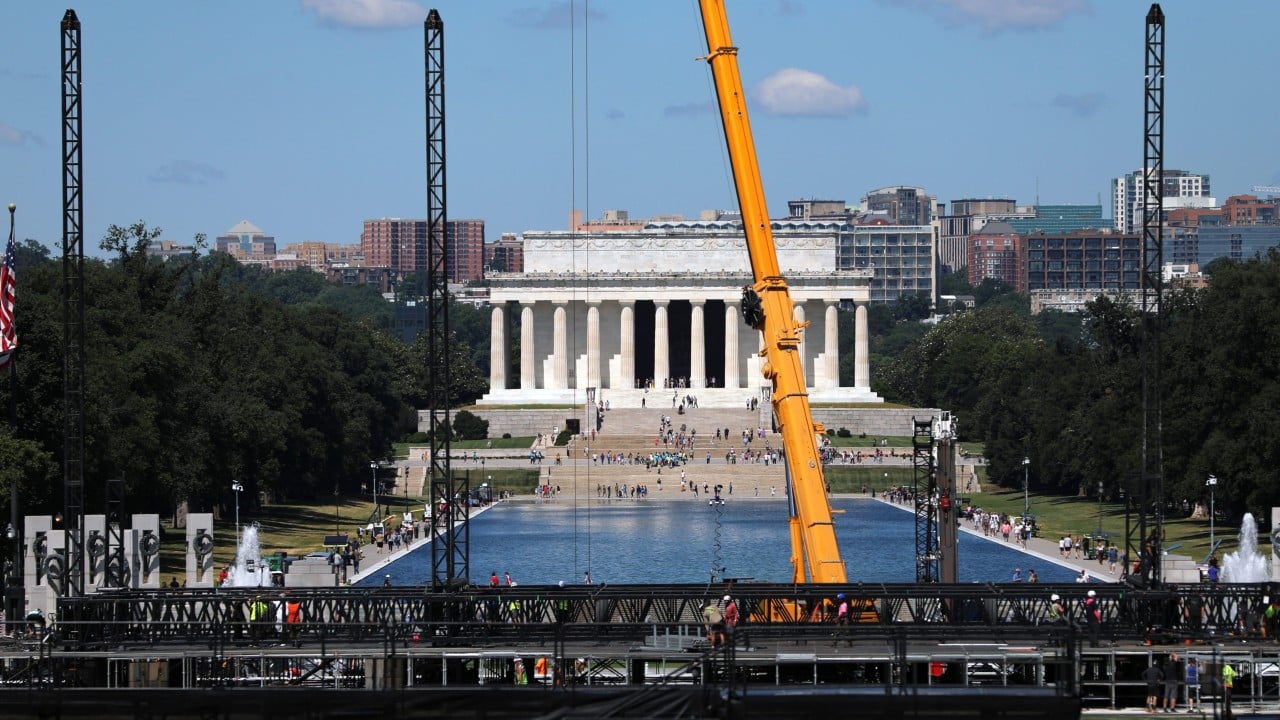
The affected liner is not merely aesthetic; it’s a vital part of the pool’s infrastructure, which underwent an extensive US$16 million rehabilitation. This significant investment aimed to address long-standing issues, ensuring the reflecting pool could continue to function efficiently and maintain its pristine appearance for the millions who visit the National Mall each year. The pool, situated prominently between the Lincoln Memorial and the Washington Monument, is not just a body of water but a deeply symbolic element of the nation’s capital, serving as a backdrop for historic speeches, demonstrations, and quiet contemplation.
The type of damage, specifically a cut made by a sharp knife or razor, points to a deliberate act rather than accidental wear or tear. Such precision in the destruction of property within a federally protected site elevates the seriousness of the incident. Investigations by the U.S. Park Police typically involve reviewing surveillance footage, collecting forensic evidence, and interviewing potential witnesses, though no information on the progress of such an investigation was immediately available.
The cost associated with repairing such damage can escalate quickly, particularly for specialized installations like the reflecting pool’s liner and sealant. A US$16 million overhaul suggests complex engineering and materials were used, meaning even a localized repair could involve significant resources and expert labor. Beyond the direct financial cost, such incidents disrupt the flow of tourism and can detract from the solemnity of the national memorial. Public lands and monuments like the Lincoln Memorial are held in public trust, making acts of vandalism against them offenses against the collective heritage and taxpayer investment.
This incident is not an isolated one in the history of national parks and monuments, though the target and method here are particularly jarring. Security for such expansive, open sites remains a perpetual challenge for authorities like the National Park Service. Balancing public access with the need to protect irreplaceable assets often leads to a constant reassessment of security protocols and infrastructure.
What This Means
The damage to the Lincoln Memorial Reflecting Pool’s liner underscores the persistent challenge of safeguarding national monuments, particularly those open and accessible to the public around the clock. Acts of vandalism against such highly visible and symbolically charged sites are rarely mere pranks; they often carry deeper, sometimes protest-oriented, motivations or simply represent a blatant disregard for public property and historical significance. The fact that the damage targeted an integral part of a recent, expensive rehabilitation suggests either a profound lack of awareness of the structure’s value or a deliberate attempt to undermine the investment in its upkeep.
For taxpayers, this incident represents a potential double blow: the initial US$16 million investment in refurbishment may now face additional costs for repairs, diverting funds that could otherwise be used for maintenance or improvements across the vast National Park System. it raises questions about the efficacy of current surveillance — and security measures. While absolute security is impossible without turning open spaces into fortresses, authorities are often pressured to enhance deterrence, which can range from increasing visible patrols to deploying more advanced sensor technologies. The incident might also catalyze broader discussions about civic responsibility and respect for shared national heritage.