

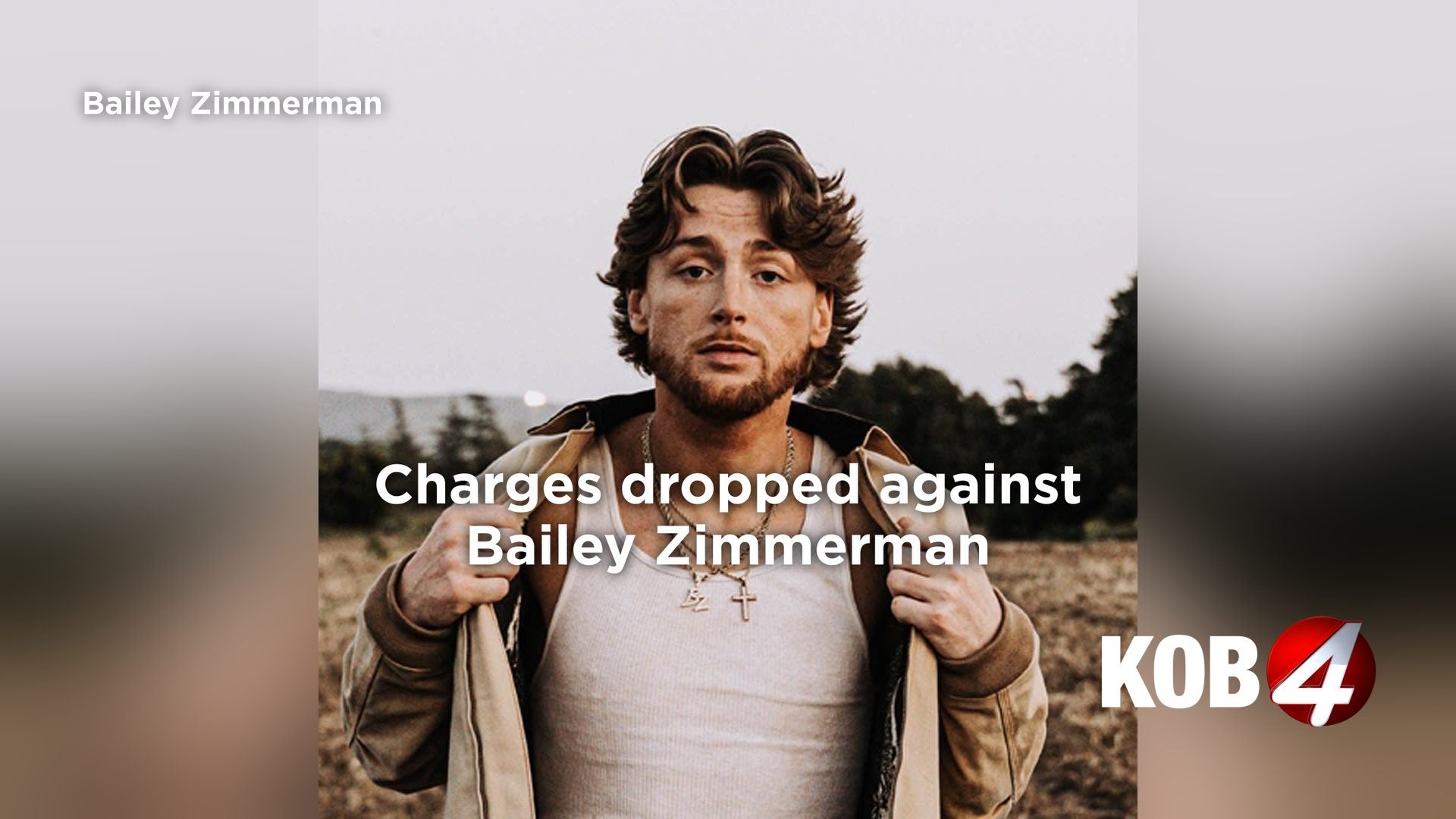
Country Star’s Hotel Tantrum: $16K Paid, Charges Vanish
POLICY WIRE — Albuquerque, N.M. — It’s often said money talks, and sometimes, it seems, it sings too—a ballad of problems magically disappearing. Country music artist Bailey Zimmerman has managed to...

POLICY WIRE — Albuquerque, N.M. — It’s often said money talks, and sometimes, it seems, it sings too—a ballad of problems magically disappearing. Country music artist Bailey Zimmerman has managed to orchestrate a curious feat: turning a raucous, room-trashing episode into little more than an inconvenient financial transaction. It’s a quick, clean slate, paid for, then polished.
One minute, the buzz around Sandia Resort & Casino was of an eagerly anticipated performance; the next, it was of busted property and police reports. The initial news certainly wasn’t about dropped charges, but rather about a chaotic scene investigators would later piece together. They said Zimmerman threw instruments during sound check, tripped over himself — and shoved band members. And then there’s the detail about security footage. It reportedly showed Zimmerman spitting toward a security officer. All in all, a grand tour of misbehavior before his May 27 show simply got cancelled. Then, the real damage came.
It’s not every day a musician’s backstage meltdown incurs a five-figure bill for the morning-after clean-up. Yet, that’s what happened here. Cleaning staff found Zimmerman’s hotel room in shambles the next day. A detailed account obtained by KOB 4 said investigators accused Zimmerman of causing $16,000 worth of damage at Sandia Resort & Casino. This wasn’t some minor scuffle; this was a property management nightmare, followed by a PR headache. But hey, it’s not arson, is it? Or treason.
When prosecutors first filed charges, you could feel the usual storm brewing. That’s typically where public outrage — and legal process meet, you know, for common folk. For Zimmerman, though, the storm seems to have passed almost before it truly broke. On Tuesday, a pre-emptive strike, Zimmerman issued an apology after prosecutors filed charges in the case. A tactical move? Surely. He told his audience, word for word, [QUOTE_PLACEHOLDER] To my fans who bought tickets and showed up expecting a performance, I am so sorry, you deserved better from me, [QUOTE_PLACEHOLDER]. He really did say that. And sometimes, an apology is all it takes to soothe ruffled feathers—especially when paired with cold hard cash.
Bernalillo County prosecutors have, in what feels like record time, dropped charges against country singer Bailey Zimmerman. The district attorney, without much fanfare, simply said he made full restitution. This tidiness of justice—an immediate financial recompense negating legal pursuit—provides a rather stark contrast to how less public, less monied individuals often fare within the labyrinthine turns of the judicial system, anywhere on the globe. We don’t often hear of small-time offenders having charges disappear because they paid up on the fly.
Think about the millions in places like Pakistan or India, where small-scale damages, theft, or even minor assaults might escalate not because of financial capacity, but due to deep-seated familial honor or local political influence. You couldn’t just cut a check for a few thousand dollars and expect a tribal elder in Balochistan, for example, to simply shrug off a perceived slight—not when honor carries a currency beyond the dollar. It’s just a different game there. Justice, for many, remains an aspiration, a process frequently mired in bureaucratic inefficiency and, sometimes, raw power dynamics.
What This Means
The swift resolution of Bailey Zimmerman’s legal quandary lays bare a fundamental truth in the modern judicial landscape: economic power can buy a very specific brand of peace. When someone with significant public visibility faces charges, the calculus for all parties—the prosecution, the wronged entity, and the accused—shifts dramatically. The casino didn’t just get paid for the damages; they also dodged the headache of extended legal wrangling and a potential media circus that could overshadow their brand. It’s an efficient transaction, stripping the event of its broader implications for public conduct and celebrity accountability.
But the real implication here isn’t just for celebrities. It’s for the everyday notion of justice. The speed with which these charges dissolved after restitution wasn’t just a nod to practical economics; it’s a commentary on a justice system often too ready to prioritize financial amends over the broader principle of public accountability, particularly for those with the means to make good on damage. It essentially streamlines accountability into a price tag. And for everyone watching, especially those without deep pockets, it doesn’t always look fair. Contrast this, for instance, with the arduous process and complex political considerations involved in legal redress in parts of South Asia. Imagine the social ramifications for an individual accused of such antics in Karachi or Lahore, where the immediate cash settlement route is far less common, and community or political standing plays a much larger role. Sometimes, you see legal systems in regions like that—take the challenges of securing justice or even finding resolution for long-standing issues, as evidenced by events surrounding a French national’s captivity unveiled in Pakistan—operate on timelines that stretch across years, not days, driven by far more than mere dollars.
This quick exit for Zimmerman sidesteps any uncomfortable questions about behavior, self-control, or the responsibilities that come with a public platform. He said he was sorry. He paid up. That’s it, apparently. This financial mechanism for escaping harsher consequences speaks volumes about whose mistakes are quickly forgiven, and whose are amplified for maximum societal impact. It’s just another reminder of the layered, often unequal, nature of justice.