


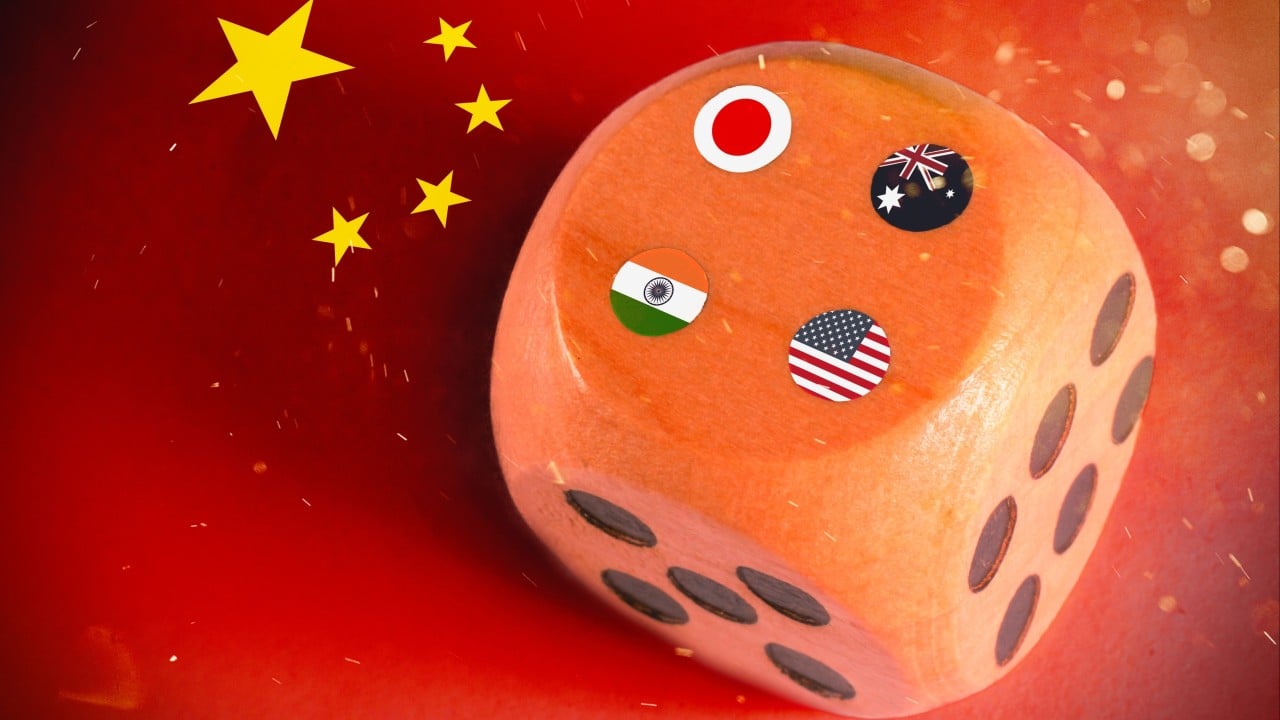
Quad’s Mineral Dream Fades Amidst Gulf Fury and Shifting Sands
POLICY WIRE — Washington, D.C. — It’s a messy world, ain’t it? Geopolitical aspirations, particularly the lofty kind—like recalibrating global supply chains—often come crashing down, not with a...

POLICY WIRE — Washington, D.C. — It’s a messy world, ain’t it? Geopolitical aspirations, particularly the lofty kind—like recalibrating global supply chains—often come crashing down, not with a bang, but with the stark, unfortunate reality of human loss. The grand design for the Quad to loosen China’s dominant grip on critical minerals? That’s taking a hit. Not because Beijing outmaneuvered anyone in a board room. Nope. It’s because an attack on an oil tanker, out there in the Gulf of Oman earlier this month, went sideways, leaving three Indian sailors dead.
That incident—an act of stark aggression, mind you—did more than just cost lives. It blew a hole right through US-India relations. And frankly, it’s cast further doubt on the unity of the Quad, that informal bloc made up of the United States, Japan, Australia and India. That group’s got this ambitious agenda, a vision for a world where critical raw materials, everything from lithium to rare earths, aren’t essentially controlled by one big player. A noble goal. A tough sell, it seems. [QUOTE_PLACEHOLDER]
See, America’s leadership often seems to operate on parallel tracks. On one, we’re building alliances to check China’s influence across the Indo-Pacific. On another, sometimes our military actions – or the perceived aftermath – can stir the pot, fracturing the very bonds we’re trying to forge. It’s a tricky balance, that’s for sure.
For New Delhi, the loss of life was personal. It was a slap in the face, too. Here they’re, trying to play big-league geopolitics, — and their sailors are collateral damage in a regional dust-up. You’d think allies would have smoother communications, a steadier hand. But sometimes, events just get away from everyone. This one did.
Despite the persistent US-India fissures that could slow down the Quad’s momentum, however, a counter-unifying force may yet emerge. What’s that, you ask? Simple: the cold, hard, inescapable truth of economic dependence. China, you see, isn’t just a competitor. They’re a monopoly. They process an astonishing 80% of the world’s rare earth elements, according to data from the US Geological Survey. That’s not just a big slice of the pie; it’s practically the whole bakery. And that level of control gives them leverage that makes other nations distinctly uncomfortable. Even if they’re mad at each other, that shared economic vulnerability can be a potent motivator.
This entire debacle couldn’t have come at a worse time. The global scramble for these crucial minerals, the stuff that makes your smartphones, electric vehicles, and missile guidance systems tick, is intensifying. Everyone knows whoever controls these resources pretty much holds the keys to the next industrial revolution. The Quad was supposed to be the international cavalry, building resilient supply chains that bypassed China’s chokehold. But when the riders are bickering, that cavalry looks a little less intimidating.
The South Asian dimension here is, well, it’s always complicated. India, with its colossal population and burgeoning economy, has aspirations for global influence, but regional flashpoints continually demand its attention. For neighbors like Pakistan, any instability in the Gulf—a region intimately tied to energy security and migrant worker remittances for the whole subcontinent—is cause for concern. These incidents in maritime routes, critical for Pakistani and other South Asian trade, just highlight the fragile security environment everyone’s navigating. While India’s focus is pulled westward by the Gulf, and northward by perennial border skirmishes, its full attention to grand Quad strategies gets divided. And China, you can bet your last dollar, watches all this with keen interest, likely content with anything that splinters potential opposition.
We’ve already seen how tariffs and trade issues can strain Washington and New Delhi’s rapport—it’s like a never-ending dance, isn’t it? (A Tariff Truce on the Horizon? India-US Tensions Simmer Amid Trade Talks has been a popular read, by the way, if you want more on that front). This latest tragedy, it just piles on the pressure. The kind that tests not just alliances, but the very premise they’re built on.
What This Means
This isn’t just about three sailors or one tanker. Not at all. It’s a stark, bloody reminder of how easily grand geopolitical strategies, the kind discussed in polished conference rooms, can unravel because of messy, localized events. The Quad, at its core, is a hedging strategy against China’s rising power. But if the two biggest democracies in the group—America and India—can’t get past incidents like this without significant friction, the hedge becomes less effective, maybe even moot. This current wobble could force the Quad to rethink its internal cohesion before it can effectively tackle external challenges. Economic fallout is likely, too. Companies looking to diversify their critical mineral sources might now pause, waiting for a clearer signal that these political ties can hold. That means continued reliance on existing, concentrated supply chains for longer, bolstering China’s position rather than eroding it. It also signals to other regional powers—think the Gulf states or Pakistan—that while America wants strong partners, its methods can sometimes inadvertently destabilize the very region it seeks to secure, impacting everyone’s trade routes and security protocols. This isn’t a good look for anyone hoping for stability or unified action against formidable economic giants.
For more insight on this particular Gulf incident and its wider Quad implications, see our earlier piece: Gulf Fire, Quad Fissures: US-India Strain Threatens Critical Mineral Game.