


The Desert’s Duplicity: New Mexico Braces for Night’s Turbulent Embrace
POLICY WIRE — Albuquerque, United States — It isn’t always the political forecast that commands attention in the high desert. Sometimes, it’s the capricious sky. As the searing summer sun...

POLICY WIRE — Albuquerque, United States — It isn’t always the political forecast that commands attention in the high desert. Sometimes, it’s the capricious sky. As the searing summer sun gives way to dusk across New Mexico, a far more ancient and primal drama unfolds: the uneasy dance between aridity and deluge. This isn’t just about umbrellas and detours; it’s a stark reminder of resource fragility in a world increasingly battered by climatic whims.
After days where the sun baked the land mercilessly, there’s a discernible sigh of relief in the air. [QUOTE_PLACEHOLDER] an understated observation that barely hints at the landscape’s profound need. Indeed, temperatures moderated, with Albuquerque hitting a relatively subdued [QUOTE_PLACEHOLDER] — a number that feels like a reprieve when 100-degree days are more commonplace than comfort. But relief can be a fleeting mistress, often arriving cloaked in its own brand of peril.
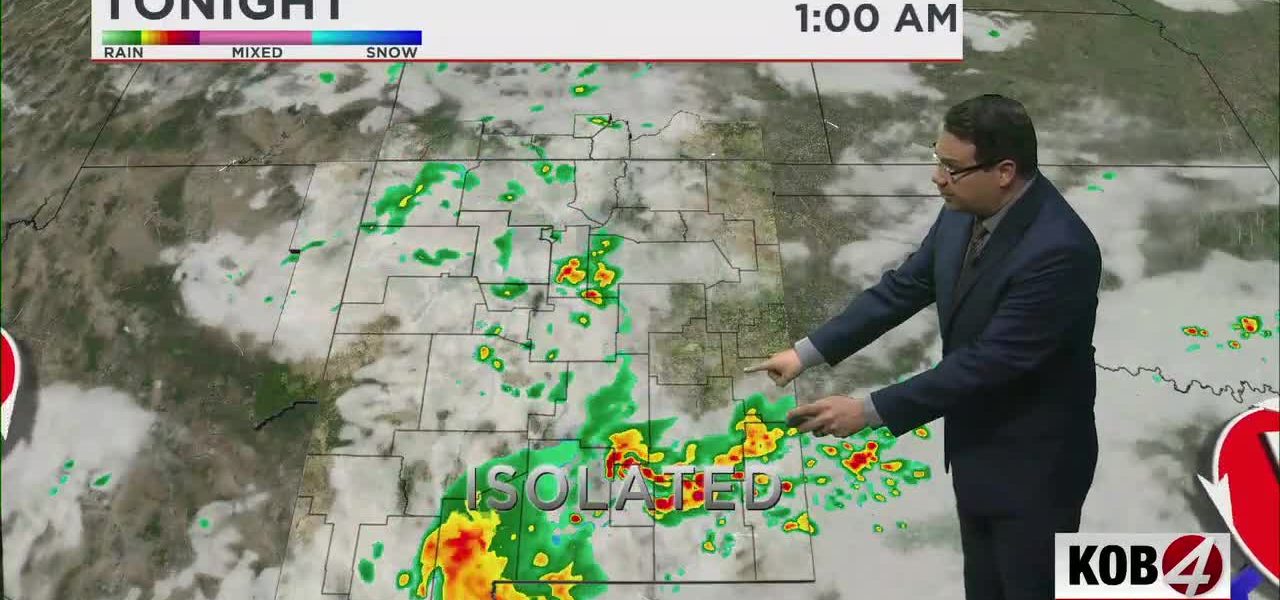
And peril, here, often looks like water, or too much of it, all at once. What started as welcome droplets has the potential to transform into something more menacing. [QUOTE_PLACEHOLDER] Lovely, isn’t it? Rain in a desert. It sounds almost poetic until you consider what happens when a parched earth suddenly meets a torrential downpour. It doesn’t soak in; it races. But don’t worry, locals here are used to this unpredictable temperament of the atmosphere. This delicate equilibrium—or rather, disequilibrium—is something populations across the globe know intimately, from the American Southwest to the parched, yet flood-prone, deltas of Pakistan, where water management isn’t a policy debate, it’s survival.
Because that’s the rub, isn’t it? The very relief of precipitation carries its own price tag. [QUOTE_PLACEHOLDER] the meteorologists predict, almost casually sketching lines of fate across the landscape. The phrase, benign as it sounds, signals a geological division where rain finds an easier path to collect, rush, and ravage. But this particular pattern isn’t static, not here. [QUOTE_PLACEHOLDER] A moving target for a community used to such volatile shifts.
The immediate consequence? A localized — and brutal test for urban planners and residents alike. [QUOTE_PLACEHOLDER] Fine, but then the crucial qualifier arrives: [QUOTE_PLACEHOLDER] It’s the kind of sentence that makes infrastructure engineers wince. A flash flood, as anyone who’s witnessed one will attest, is less a gentle overflow and more a violent, muddy tidal wave in miniature, tearing through everything in its path. And, the prognostications suggest, things aren’t looking to lighten up. [QUOTE_PLACEHOLDER] It’s an ominous crescendo in a state perpetually negotiating with its weather.
Indeed, New Mexico, much like other arid zones across the globe, exists in this perennial tension—a region simultaneously longing for rain and fearing its destructive capacity. We’ve seen similar patterns play out in places far removed from this high desert, where climate shifts exacerbate pre-existing vulnerabilities, leading to events that leave scars on the landscape, both ecological and societal. Consider, too, the struggle in Pakistan’s agricultural regions, where devastating monsoon floods in 2022 submerged one-third of the country, impacting an estimated 33 million people (United Nations Office for the Coordination of Humanitarian Affairs, OCHA, 2022), following intense heatwaves and prolonged drought—a brutal cycle of too much and then not enough.
Then, the meteorological pendulum swings once more. [QUOTE_PLACEHOLDER] A tiny promise of reprieve after the tumult, a small window before the predictable return to high temperatures that define this desert landscape for much of the year. But it’s these short, sharp bursts of intense weather that cause the most headaches, requiring a nimble, resilient response from communities that are, frankly, often stretched thin by competing demands. You don’t have to be a meteorologist to read the bigger picture here.
What This Means
This localized weather event, though seemingly routine for the Southwest, is a micro-cosmic reflection of larger geopolitical and economic challenges centered around climate resilience and resource management. For New Mexico, these ‘beneficial rains’ carry an inherent risk of flash flooding that can stress aging infrastructure, particularly roads and bridges, leading to economic disruptions through transportation delays and potential repair costs. Local agricultural sectors, while welcoming rain, are vulnerable to soil erosion from fast-moving water, hindering crop viability and increasing flood insurance premiums for farms located in floodplains. Property values in low-lying or historic flood zones can stagnate or decline, impacting municipal tax bases and long-term economic development.
Politically, the continuous cycle of drought and sudden downpours fuels debates over water rights, especially concerning the critical Rio Grande basin. Policy decisions about dam management, irrigation practices, and urban water conservation become even more contentious when a region fluctuates between scarcity and excess in short periods. This volatility demands adaptive strategies, which can be expensive — and politically challenging to implement. Funding for emergency services and infrastructure upgrades—to mitigate both fire risk during dry spells and flood damage during storm events—becomes a recurring strain on state and local budgets, diverting resources from other public services.
And here’s where the global thread naturally intertwines. Countries like Pakistan face these exact, often magnified, dilemmas. Their vulnerability to erratic monsoon patterns means that weather isn’t just about convenience; it’s a matter of national food security, mass displacement, and profound economic instability. The constant threat of drought-followed-by-flood, evident in both New Mexico and South Asia, highlights the increasing difficulty of sustainable development in a rapidly changing climate. This shared challenge often compels nations to engage in transboundary water disputes or collaborate on climate adaptation strategies. The immediate forecast in Albuquerque might seem local, but its underlying themes — the struggle for water, the cost of climate instability, and the need for resilient governance — echo across continents, binding us all in this very wet, very dry predicament.