

New Mexico Blaze: Scars on the Landscape Reflect a Frayed Global Order
POLICY WIRE — QUEMADO, N.M. — It’s a subtle shift, a whisper of wind, a barely perceptible tremor in the vast, unforgiving landscape of New Mexico. Yet, it’s in these minor atmospheric concessions...

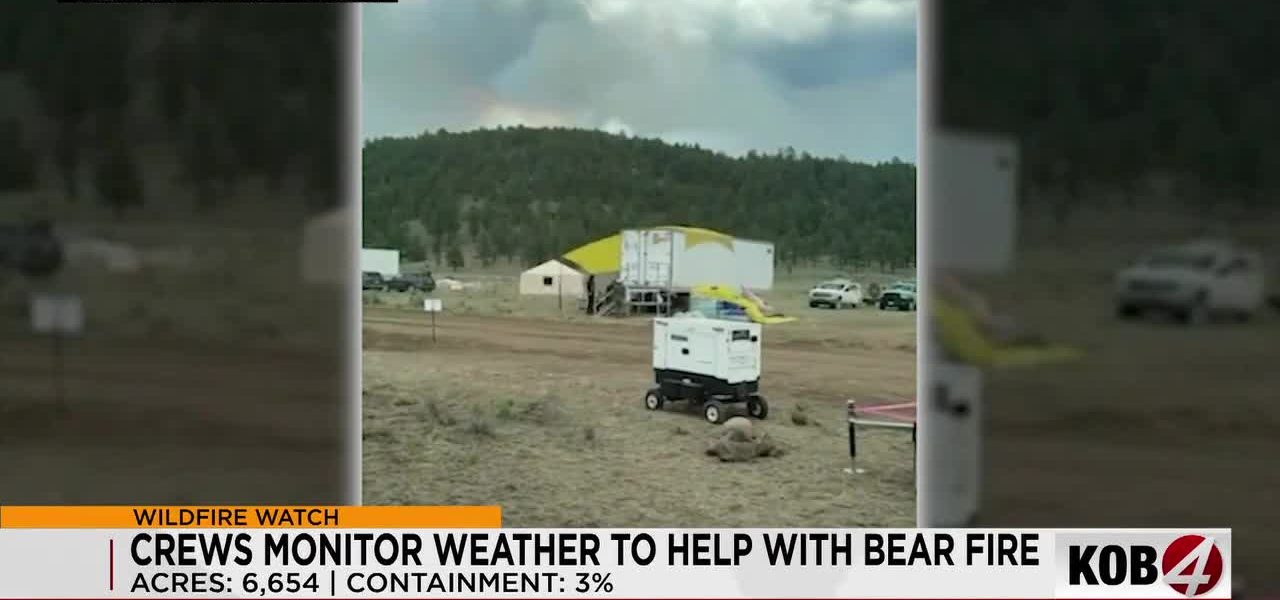
POLICY WIRE — QUEMADO, N.M. — It’s a subtle shift, a whisper of wind, a barely perceptible tremor in the vast, unforgiving landscape of New Mexico. Yet, it’s in these minor atmospheric concessions that nearly 500 weary souls find their sliver of hope against an opponent of staggering scale—a fire, now burning across 6,654 acres, whose very existence feels less like an accident and more like an ominous warning.
Down in the dry washes and across the exposed mesas, a relentless fight wages, not just against the flames of the Bear Fire, but against a greater, slower-burning dread that clings to communities from Quemado all the way to Islamabad. This isn’t just about a local emergency; it’s about how finite resources and human grit collide with an increasingly hostile natural world. We’ve got 471 personnel, by current accounts from local fire officials, wrestling this inferno—a number that seems both monumental and hopelessly small when staring down such a sprawling, destructive force. But they’re out there, day in, day out, working around the clock, battling this thing near the Mangas Mountain, 18 miles southeast of Quemado. [QUOTE_PLACEHOLDER]
It began, predictably enough, with an act of nature, a rogue strike from the heavens. Lightning caused the fire June 9. Since then, it’s morphed into a complex beast, demanding constant vigilance and the kind of hard labor that drains a body’s reserves just watching it. We’re told that crews — and aircraft are utilizing suppression tactics as they work around the clock. That sounds good on paper, doesn’t it? In reality, it means men and women risking everything as they race to protect values at risk, a sterile phrase that doesn’t capture the homes, the livelihoods, the precious—sometimes irreplaceable—ecosystems hanging in the balance. But, hey, they’ve got to use the language.
For days, the inferno expanded, unchecked. Then came Saturday. The fire spread to the southwest Saturday, moving through heavy dead — and down fuels. These aren’t just words on a page; they describe a hungry machine, grinding through decades of tinder. Helicopters made 35 water drops to help ground resources—a drop in the proverbial bucket, yes, but each bucket matters, doesn’t it? Each drop a tiny victory.
And then, just like that, a fickle twist of fate. Overnight, crews secured the fire’s edge. They also prepared indirect fire lines to help their progress. It wasn’t the heroic charge of a cavalry; it was the incremental grind of dedicated people. Weather helped their work. Funny how we depend on a system we can’t control for a bit of mercy. And because of these small wins, the numbers changed ever so slightly, with weather conditions and work by firefighters increased containment slightly. But the containment, only 3% contained, reminds us of the gargantuan task still ahead.
What This Means
The situation unfolding in New Mexico is a stark, if unheroic, reminder of our global predicament. We often view these battles as isolated events—a wildfire here, a flood there—but they’re threads in a far larger, increasingly unraveling climatic tensions between human activity and planetary resilience. Economically, the cost of fighting such fires is astronomical, diverting state and federal funds from social programs, infrastructure, or education. Environmentally, the long-term impact on air quality, water resources, and wildlife is profound, often irreversibly altering delicate ecosystems. These aren’t temporary inconveniences; they’re structural deficits.
But consider the global resonance. In Pakistan, or other parts of South Asia, these sorts of environmental disruptions, though manifested differently (think erratic monsoon floods, prolonged droughts, or melting glaciers in the Himalayas), hit harder. They’re less about property insurance and more about basic survival—food security, displacement, and increased competition for dwindling resources. What looks like an aggressive campaign against an inferno in the American Southwest translates, politically, to strained budgets and desperate choices for governments across the Muslim world, struggling to adapt to an increasingly unpredictable planet. The sheer scale of destruction, even if currently just 6,654 acres in New Mexico, whispers of future, far larger challenges that can easily overwhelm nations with less developed disaster response capabilities. It’s a sobering thought, isn’t it? Our battles against nature aren’t local; they’re intrinsically connected, each spark, each storm, a grim echo across the globe.