


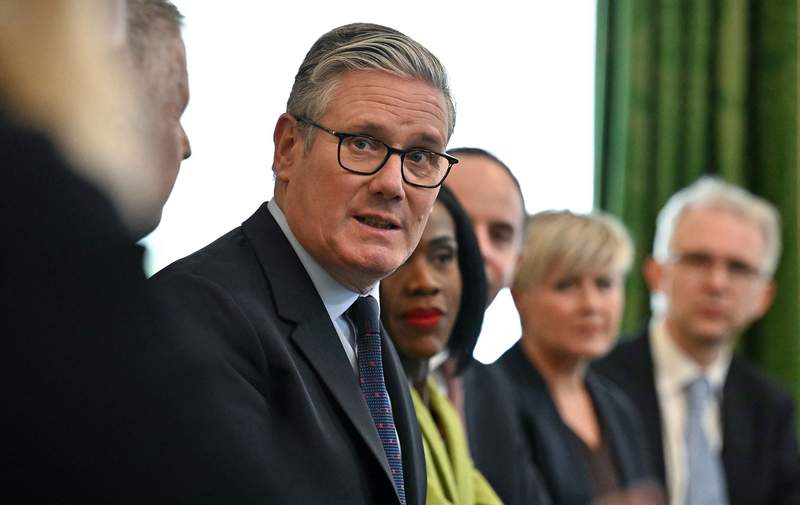
Westminster’s Latest Front: UK Battles Epochal Shift with Under-16 Social Media Curfew
POLICY WIRE — London, UK — It wasn’t long ago that British youths huddled around desktop computers, dial-up screeching its anthem to a new age. Now, ministers in Westminster, grappling with the...

POLICY WIRE — London, UK — It wasn’t long ago that British youths huddled around desktop computers, dial-up screeching its anthem to a new age. Now, ministers in Westminster, grappling with the relentless tide of digital adolescence, appear to have stumbled upon a novel solution: turn back the clock. Or, at least, make a rather vigorous attempt. The UK government, it seems, plans to bar kids under sixteen from those infinitely scrolling feeds that shape—or distort—young minds, kicking off an uncomfortable conversation across breakfast tables and parliamentary benches alike.
You’ve gotta wonder, what exactly is the aim here? Protection? Control? A belated recognition that unfettered screen time maybe isn’t great for developing brains? Perhaps it’s a bit of everything. This isn’t just about kids snapping selfies; it’s about a foundational shift in how a modern, democratic state intends to regulate the very air its youngest citizens breathe. Digital air, that’s.
And then there’s the question of enforcement, the perpetually sticky wicket of digital policy. It’s one thing to declare a new law. It’s quite another to make platforms—often global Goliaths with bottomless pockets and labyrinthine legal teams—actually implement it. The government says [QUOTE_PLACEHOLDER], which sounds all well — and good on paper. But practically, how do you verify age effectively across billions of users? Does Big Tech suddenly become the Big Brother of birth certificates? They’re already complaining, predictably, about the practicalities of ID checks, about user privacy, about pretty much anything that messes with their engagement metrics.
But let’s be real: the push isn’t purely altruistic. It’s also, to a significant degree, about parental peace of mind and perhaps—just maybe—about creating an electorate less susceptible to… well, you know, everything. The statistics aren’t helping matters for social media platforms. Data from a recent study by the Pew Research Center, for instance, showed that as of 2022, approximately 95 percent of teens in the United States reported using at least one social media platform, with more than a third saying they use it almost constantly. While specific UK figures vary, the trends are alarmingly similar. These aren’t just entertainment apps anymore; they’re integrated into the social fabric, schools, friendships. Pulling them out is like trying to extract a major organ.
This whole move, it’s not happening in a vacuum. You’ve got similar discussions popping up all over, from Washington D.C. to New Delhi. Even nations like Pakistan—which has its own long, complex dance with internet censorship and content regulation, especially concerning blasphemy laws and moral policing—will be watching this space with keen interest. The notion that a state can, or should, micromanage children’s digital interactions is a seductive one for many governments. It feels like taking back control, like setting a new standard for responsible digital citizenship. But for every UK, there’s a Malaysia or Indonesia wrestling with the same platforms, often with far more draconian censorship appetites and less regard for individual freedoms.
What the UK decides here could echo far beyond its shores, influencing other nations, particularly those in South Asia or parts of the Muslim world, that often look to Western legislative precedents when charting their own digital policies, even if their motivations are distinct. If the UK can make age verification stick, that technical framework—that precedent—could be co-opted, adjusted, and, yes, weaponized elsewhere for different ends. This isn’t just about shielding kids from harmful content; it’s about defining the boundaries of digital sovereignty in a deeply interconnected world.
And let’s not forget the sheer political showmanship of it all. It’s an election year, or close enough to one, — and nothing screams [QUOTE_PLACEHOLDER] quite like protecting the kids. It’s an easy win on the optics front, an issue that transcends traditional political divides, touching on genuine public anxieties about screen addiction and online harm. They’re pitching it as a shield, but some are already whispering about a new kind of digital Iron Curtain.
What This Means
This UK initiative isn’t simply a policy tweak; it represents a hardening stance against the hitherto largely unregulated digital frontier. Economically, social media giants face a compliance nightmare and potentially a significant demographic cut from their user base, impacting advertising revenues—they won’t love that. Politically, it’s a shrewd, populist move by the government, designed to appear proactive and parental, distracting from perhaps less popular domestic issues. But its practical implementation will be fraught. We’re talking about parental bypasses, VPNs, and kids just, well, figuring it out—they’re incredibly adaptable, aren’t they?
the global ripple effects are impossible to ignore. Should the UK manage effective age-gating, it establishes a powerful legislative — and technical blueprint. This could embolden governments in Pakistan or Egypt, for instance, which routinely struggle with online content control, to implement similar—or even stricter—measures, potentially impacting digital freedoms under the guise of child protection. The question of whether this truly shields children or merely shifts the battleground for influence and access to an even more obscure digital space remains unanswered. This move, more than anything, confirms that the era of uncontested digital expansion, particularly for the young, is over. The regulators are finally, awkwardly, pushing back. Good luck, kids. You’ll need it.