


Paper Tigers: India Deploys Air Force in Academic Crisis
POLICY WIRE — New Delhi, India — Jet engines roaring isn’t usually the soundtrack to academic integrity. Yet, here we’re: India’s Air Force, a modern fighting force built for geopolitical...

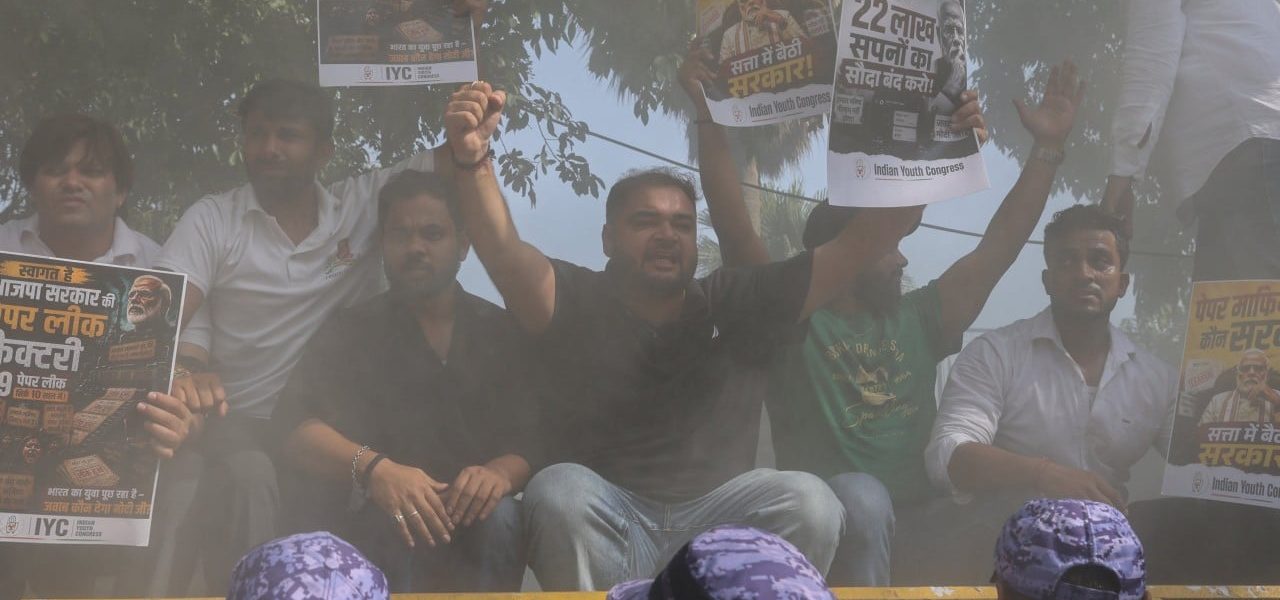
POLICY WIRE — New Delhi, India — Jet engines roaring isn’t usually the soundtrack to academic integrity. Yet, here we’re: India’s Air Force, a modern fighting force built for geopolitical skirmishes, is now moonlighting as a courier service for answer sheets. It’s a move that feels almost farcical, but don’t kid yourself—it’s a stark, public admission of a profound crisis eating away at the very fabric of Indian meritocracy. The nation’s young people are beyond fed up; their frustration has boiled over into angry, visible protests, forcing Prime Minister Narendra Modi’s government to confront what’s really happening.
It’s not just a handful of students trying to cheat the system. Oh no, this runs much deeper. This deployment, a truly unprecedented measure
in recent memory, came about because trust has eroded to nothing. You’ve got an education system, a deeply competitive one that holds out the promise of upward mobility, now so riddled with graft that the military is deemed the only credible safeguard for something as basic as an examination. Think about that for a second. [QUOTE_PLACEHOLDER]
The stakes couldn’t be higher. Aspirations in India are immense, sometimes crushing. Kids study relentlessly, pouring their teenage years into preparing for these gateway exams—exams that often dictate their entire economic future. For the retest on June 21, the government will deploy the Indian Air Force… to distribute — and collect these highly sensitive documents. This isn’t a logistics exercise; it’s a desperate attempt to shore up crumbling confidence. When the integrity of the process demands fighter jets for secure delivery, something is profoundly broken. It suggests conventional, civilian channels simply aren’t trusted anymore.
Last month, authorities took the extraordinary step of cancelling the medical entrance exam results of more than 2 million students after allegations of widespread leaking of the papers
. Let’s put a pin in that number: 2 million young lives thrown into limbo, their dreams put on indefinite hold, all because a shadowy network of profiteers got their grubby hands on the papers. That’s a staggering figure, demonstrating not isolated incidents, but systemic failure. That statistic, impacting over 2,000,000 future doctors, engineers, and scientists, isn’t just a number; it’s a massive breach of faith in what’s supposed to be an impartial system. A survey by the National Testing Agency, cited by India Today, showed that nearly 80% of students expressed concerns about unfair practices in similar competitive exams in the past five years. They don’t just suspect; they know.
And because India’s youth demographics are exploding, this problem is only going to get bigger. Their collective frustration, the kind we’ve seen spill onto the streets, isn’t just noise. It’s a very loud signal of deeply held resentments simmering just below the surface. They see opportunity vanish before their eyes. They witness their diligence become meaningless next to the deep pockets or corrupt connections of others. This kind of raw cynicism, especially in a young populace, is political dynamite. Modi’s administration, fresh off a surprisingly tough electoral victory, clearly can’t afford to have this crisis continue to simmer.
Look, the pressures are pretty universal across South Asia. From Dhaka to Islamabad, securing a spot in a reputable college or a government job is often seen as the only ticket out of economic insecurity. It’s not uncommon for families to sink their entire savings—everything—into coaching classes and examination fees for years, mortgaging their homes just for one shot. Pakistan, Bangladesh, Nepal—they’re all wrestling with overstretched education infrastructures, fiercely competitive job markets, and, yes, the occasional and rather destructive whisper of examination irregularities. But seeing India, a regional powerhouse, resort to air force deployment? It makes the scale of the rot here hard to ignore. Many in the Muslim world, watching from afar, have long viewed India as a land of immense educational and economic promise; events like these dent that image considerably.
But the damage goes beyond just one exam cycle. When the credibility of the entire system falls apart like this, who wins? Not the honest students, that’s for sure. And definitely not the government. Because when trust erodes among its most ambitious — and impressionable citizens, what’s left?
What This Means
The government’s dramatic deployment of the Indian Air Force, while perhaps effective in the short term for this particular retest, paints a worrying picture of deep-seated administrative challenges. Politically, this forces Prime Minister Modi’s recently re-elected government onto the defensive regarding systemic corruption, an issue it has historically positioned itself as combating head-on. The sheer scale of the affected student body—millions—means this isn’t some niche grievance; it’s a national flashpoint, potentially impacting future electoral dynamics as an increasingly educated and digitally-connected youth segment becomes more vocal.
Economically, this breakdown in meritocracy could have dire long-term consequences. If academic qualifications are perceived as purchasable, not earned, it depreciates the value of Indian degrees on the global stage. Brain drain, an existing challenge, could accelerate if ambitious young professionals feel their country offers no fair path to success, pushing them towards other opportunities, possibly in the Gulf or further West. It’s a crisis that goes beyond just Gulf Waters Roil US-India Ties on Eve of G7 Summit, touching the heart of national self-belief and long-term human capital development. For a nation aspiring to be a global leader, such vulnerabilities in foundational public institutions aren’t just embarrassing; they’re strategically weakening. Shadow Economy: Indian Grief Unravels US Strike’s Global Fallout details how widespread corruption can ripple across societies. The examination scam isn’t isolated; it’s a symptom of a larger shadow economy at work. Without genuine structural reforms, the next national exam could very well call for even more elaborate military intervention. This isn’t just about examinations; it’s about governance — and the future of a superpower.